BY MAZERA NDURVYA
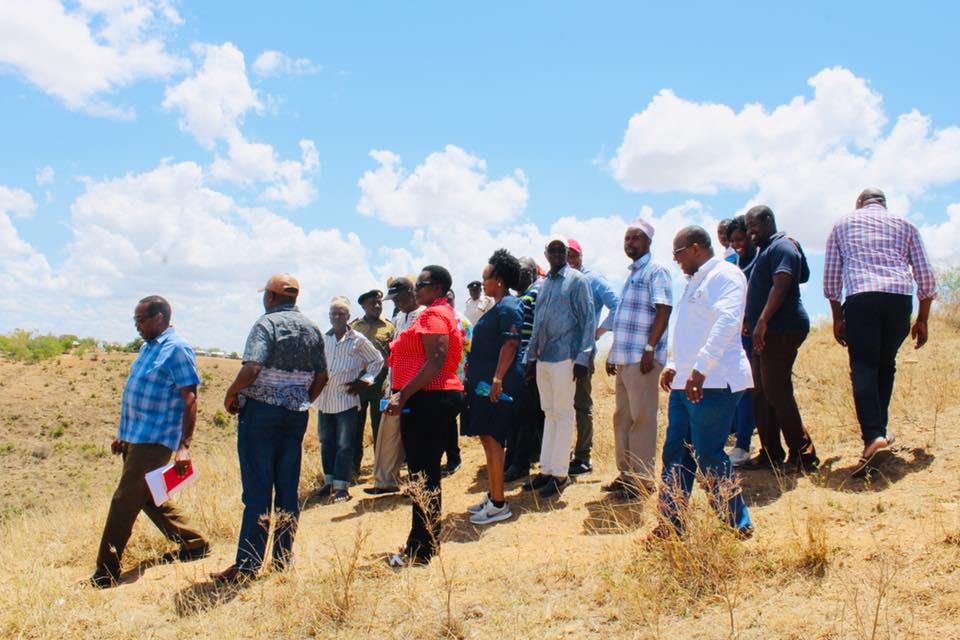
Residents in the Mazera-Kasemeni villages of Kinango Constituency are raising their voices in unison, demanding that their concerns be addressed before the commencement of the Mwache Dam project. This multi-billion shilling initiative, which is set to transform the water supply in the region, has sparked a heated debate over compensation and community involvement. The residents, who recently met with the Parliamentary Environment, Water and Natural Resources Committee, emphasized that their demands must be met to ensure a fair and equitable process.
The residents' demands are clear: they want compensation for those who will be displaced, employment opportunities for the local population, equitable water distribution, and full involvement in all project-related decisions. These demands reflect a broader concern about the impact of large infrastructure projects on local communities, who often feel sidelined in the decision-making process. The Committee, led by Kareke Mbiuki, assured the residents that the project would not proceed until all affected individuals are fully compensated, providing a measure of reassurance to the concerned community.
Kinango MP Dalu Tayari echoed these sentiments, emphasizing the need for transparency and local involvement. He noted that the Parliamentary Committee had instructed ministry officials to ensure that local leadership is involved in the project. Additionally, the design of the dam should include provisions for water distribution to the local community, and residents from the area should form the largest part of the workforce once the project begins. These measures aim to ensure that the benefits of the project are shared with those who are most affected by it.
The Mwache Dam project, funded by the World Bank at a cost of Sh14.5 billion, is expected to significantly boost water supply to Mombasa and Kwale Counties, with a capacity to pump over 196,000 cubic metres of water. However, the project will also require approximately 1,600 acres of land, leading to the displacement of over 3,000 people. The National Lands Commission has acknowledged that the livelihoods and assets of thousands will be impacted, underscoring the importance of addressing compensation and resettlement issues comprehensively.
As the project moves forward, the spotlight remains on the balance between development and the rights of local communities. The Mwache Dam project serves as a critical test case for how large-scale infrastructure projects can be implemented in a manner that respects and benefits the communities they affect.