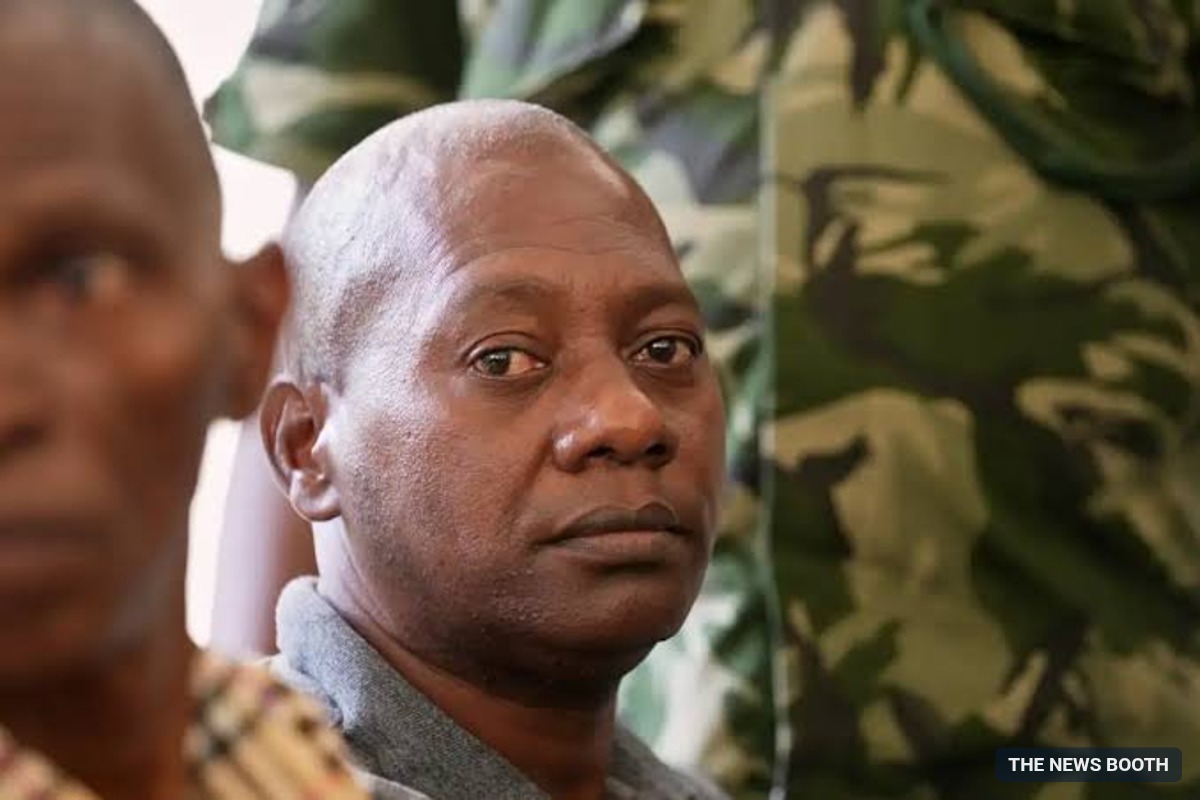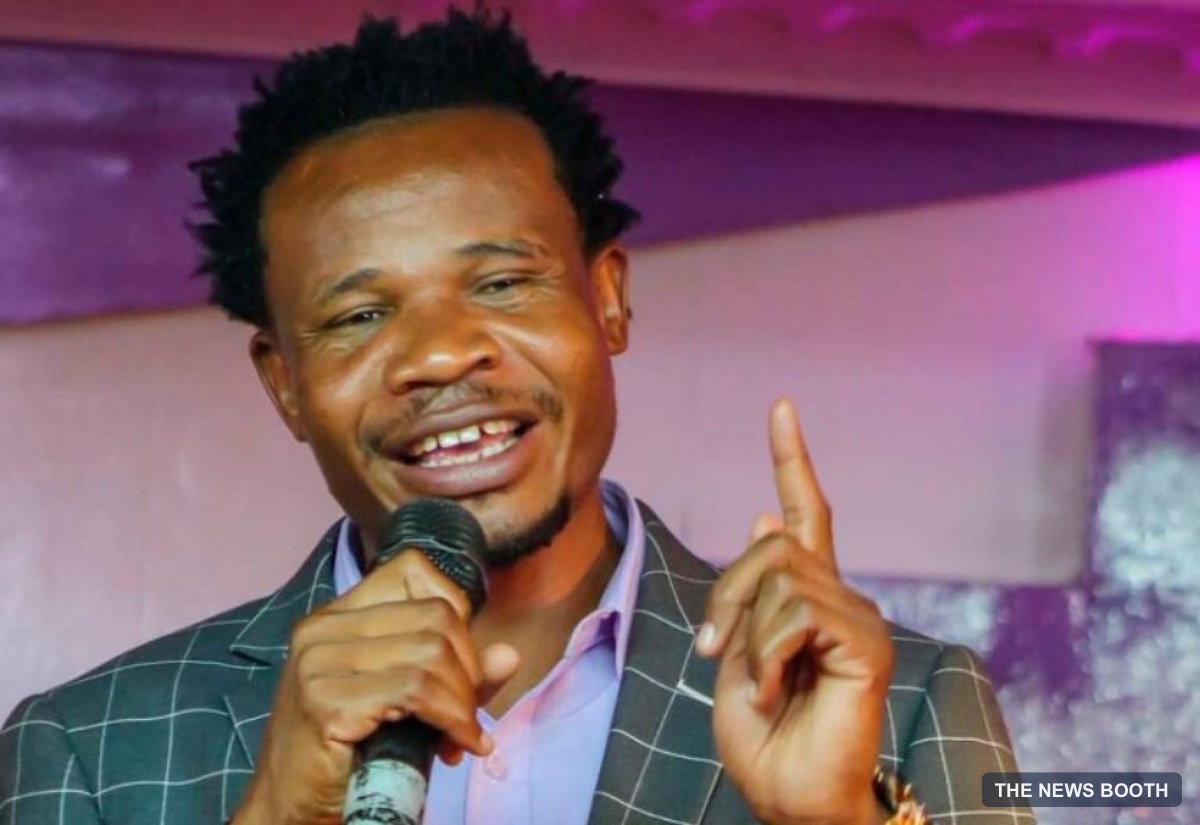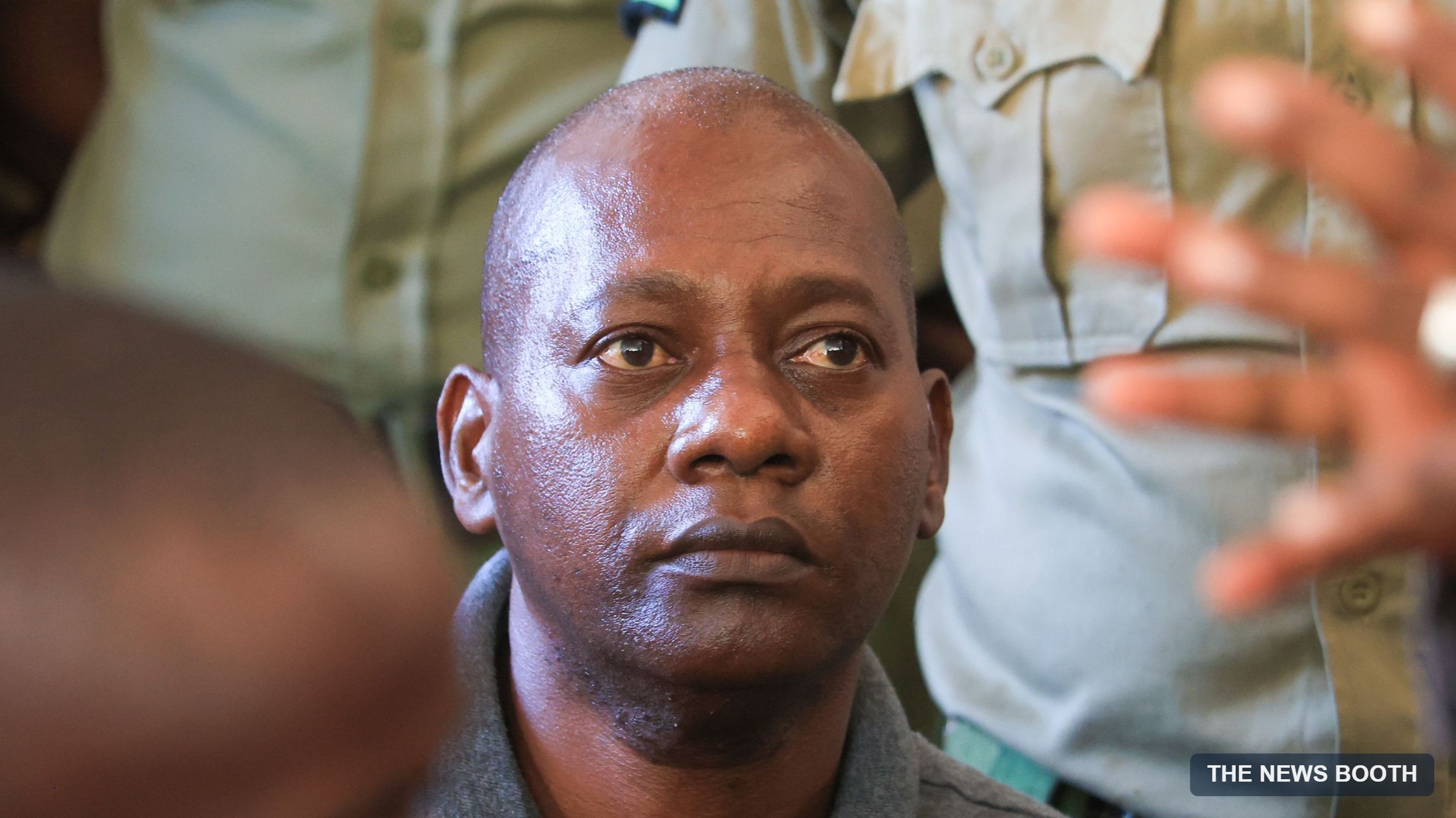
Mombasa's Tononoka Children's Court is expected to deliver its judgment today, November 25, 2026, in a case involving controversial preacher Paul Mackenzie Nthenge and 38 co-accused charged with offences relating to the torture and mistreatment of children linked to the Shakahola Forest tragedy.
The accused face 17 counts, including child torture, cruelty and violations of children's rights, particularly the right to education.
The charges arise from allegations that children under their care were subjected to physical abuse, neglect and denied access to formal education between 2019 and 2023.
Prosecutors told the court that some children were allegedly whipped using thorny sticks and denied food as a form of punishment.
Others were reportedly kept away from school, with formal education and healthcare allegedly portrayed as practices contrary to their religious beliefs.
The prosecution further accused the group of violating provisions of the Children Act, the Prevention of Torture Act and the Basic Education Act.
Mackenzie and his co-accused were first arraigned in January 2024, where they denied the charges.
The case subsequently proceeded to trial, with witnesses giving evidence as the prosecution sought to establish the alleged mistreatment and denial of children's fundamental rights.
Today's judgment is expected to determine whether the prosecution has proved the charges against the accused.
The child torture case is among several criminal proceedings arising from the Shakahola tragedy, in which hundreds of people died after allegedly following Mackenzie's teachings and instructions to fast in the belief that they would encounter Jesus.
In a separate case, Mackenzie was sentenced to 200 years in prison on November 6, 2026, following his conviction over the murder of 191 people, including 190 children and one adult. Twenty-eight co-accused were also convicted in that case.
He also faces separate proceedings relating to radicalisation and manslaughter charges connected to the Shakahola deaths.
The cases have drawn national attention to the protection of children, religious extremism and the accountability of individuals accused of exploiting religious beliefs to expose vulnerable people to harm.