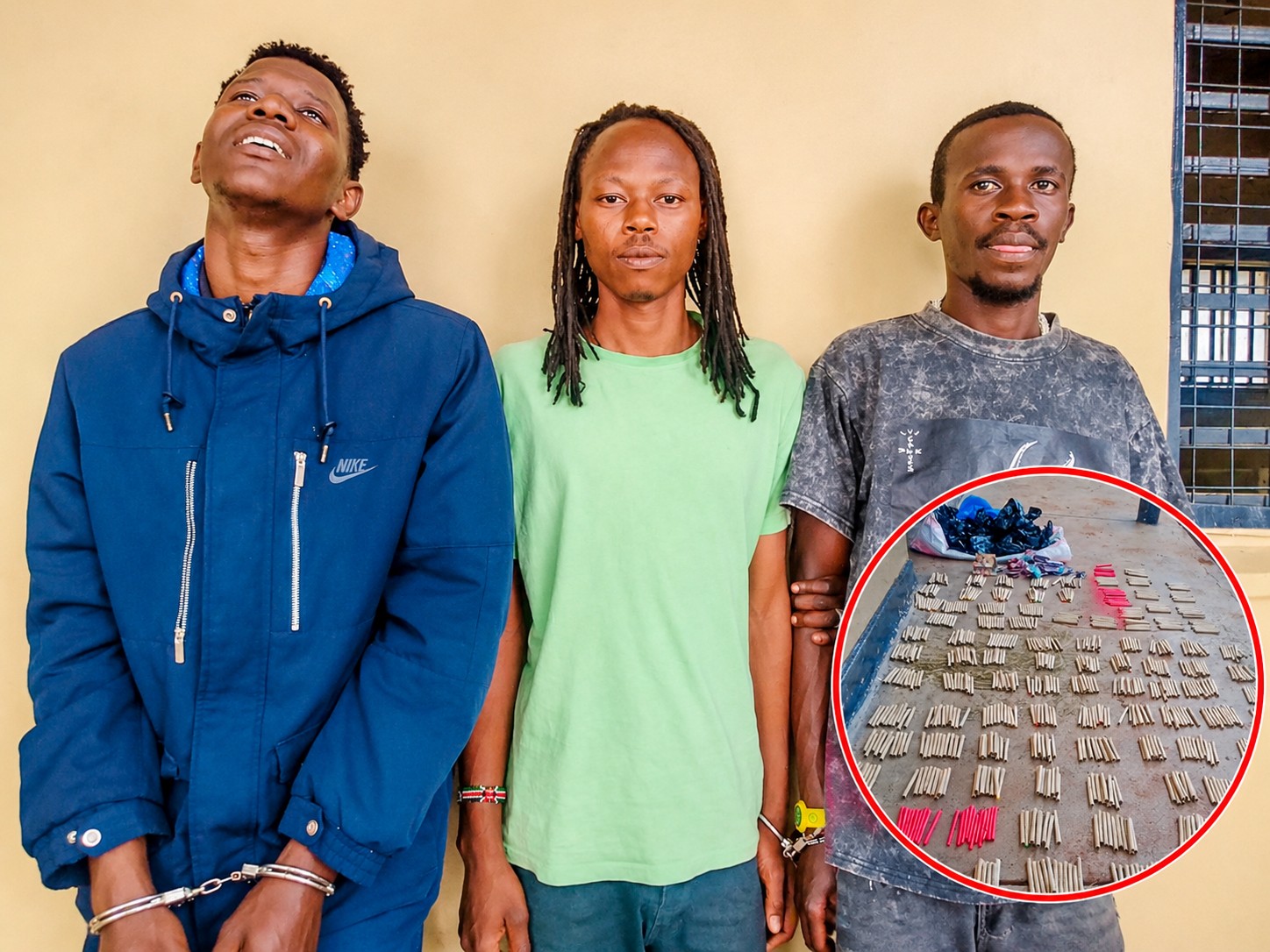
More than 121,000 youths have been arrested and imprisoned in Kenya since 2022, highlighting a concerning trend in youth criminality across the nation. This alarming statistic was revealed by Interior Cabinet Secretary Kipchumba Murkomen, who addressed the issue during a recent press conference. The arrests have been attributed to various offences, including radicalisation, hooliganism, and robbery with violence, indicating a complex interplay of social issues affecting the youth demographic.
Nyeri County has emerged as the region with the highest number of imprisoned youths, with over 8,000 individuals incarcerated. This figure is particularly striking, as it underscores the challenges faced by the county in addressing youth-related crimes. Following closely is Nairobi, the capital city, where approximately 7,000 youths have been jailed. Embu County also reports significant numbers, with more than 4,000 youths imprisoned. These statistics paint a vivid picture of the youth crisis in Kenya, raising questions about the underlying causes and the effectiveness of existing interventions.
In response to these troubling figures, Murkomen emphasized that the government is taking proactive steps to reduce the number of young people being sent to prison. He noted that various projects have been introduced, aimed at benefiting the youth and improving their economic livelihoods. These initiatives are crucial, as they seek to address the root causes of youth criminality by providing alternative pathways for young people, thus reducing their likelihood of engaging in illegal activities.
Furthermore, Murkomen highlighted the government's commitment to combating drug abuse, which he identified as a significant contributing factor to the rising number of youths engaging in criminal activities. The prevalence of drug-related issues among the youth population has been a persistent challenge, often leading to increased rates of crime and violence. By tackling drug abuse, the government aims to create a safer environment for young people and reduce their involvement in criminal enterprises.
The situation calls for a concerted effort from various stakeholders, including community leaders, non-governmental organizations, and families, to support the youth in making positive choices. As the government implements these measures, it is essential to monitor their effectiveness and make necessary adjustments to ensure that they meet the needs of the youth. The future of Kenya's youth hangs in the balance, and addressing these issues is critical for the nation's development and social cohesion.