The death of 18-year-old Argentine footballer Abel Gamarra Núñez has raised questions about emergency medical preparedness at youth football matches after he was transported from the pitch in a private vehicle following a serious head injury.
Núñez suffered the injury on Thursday, November 12, while representing FC Ezeiza against Deportivo Muñiz in the fifth division of the Argentine Football Association’s (AFA) Juveniles C competition at the Club Atlético La Sonia complex in José C. Paz, Buenos Aires Province.
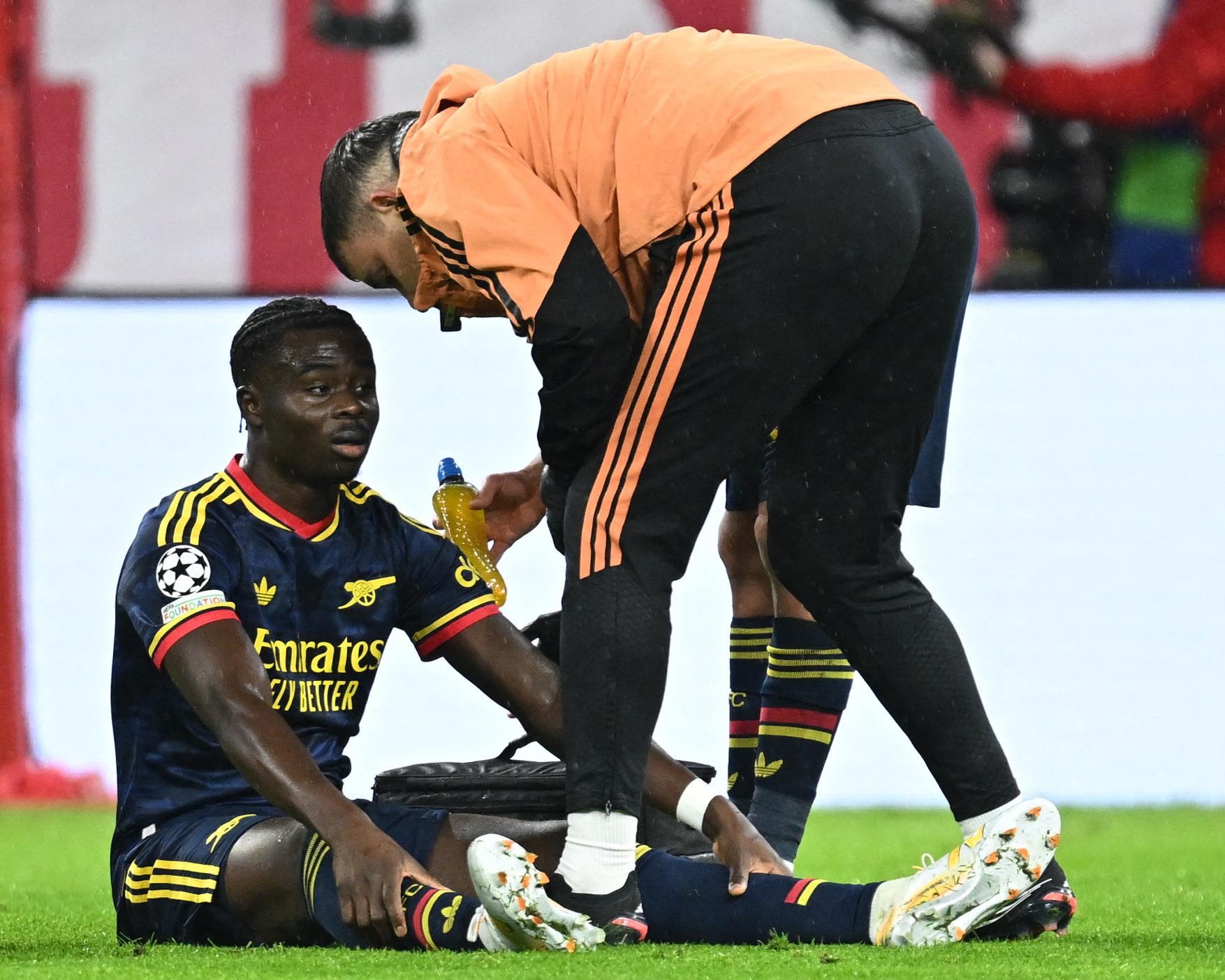
The midfielder was struck in the face by a powerful clearance from an opposing defender approximately 20 minutes into the first half. He immediately collapsed and lost consciousness, forcing the referee to stop the match as medical personnel rushed to assist him.
Although a doctor was present at the venue, there was no ambulance stationed at the ground. According to journalist Cristian Rompani, who witnessed the incident, the attending doctor initially hesitated to move the player without equipment to stabilise his neck.
Núñez was eventually transported in a vehicle belonging to the FC Ezeiza delegation to a medical facility in José C. Paz, with the journey reportedly taking approximately six minutes.
He underwent emergency surgery for a serious head injury involving a skull fracture and internal bleeding but remained in critical condition. He died on Sunday, November 15, three days after the incident.
The circumstances have brought attention to the medical requirements governing Argentina’s lower-tier youth competitions, particularly the distinction between having medical personnel available and having an ambulance physically stationed at a playing venue.
Under the AFA’s 2026 regulations for Juveniles C, home clubs are required to provide a licensed medical practitioner and submit a contract with an emergency medical services company under the designated protected-area arrangement. However, the regulations do not specifically require an ambulance to remain on standby at the ground throughout matches.
The requirements differ in some higher-level youth competitions, where regulations provide for an ambulance to be present during matches. This highlights the variation in emergency medical provisions across the country’s youth football structures.
However, there has been no official finding establishing that the absence of an on-site ambulance caused or contributed to Núñez’s death nor has it been established that a different transport arrangement would have changed the outcome.
Beyond his involvement in football, Núñez also played for the reserve futsal team at Club Nueva Estrella, having joined the club in 2024. Both clubs mourned his death, while Nueva Estrella suspended its scheduled sporting activities following the tragedy.
The AFA also extended its condolences to his family, friends and teammates, as the incident left the Argentine football community mourning the loss of a young player whose career was still developing.