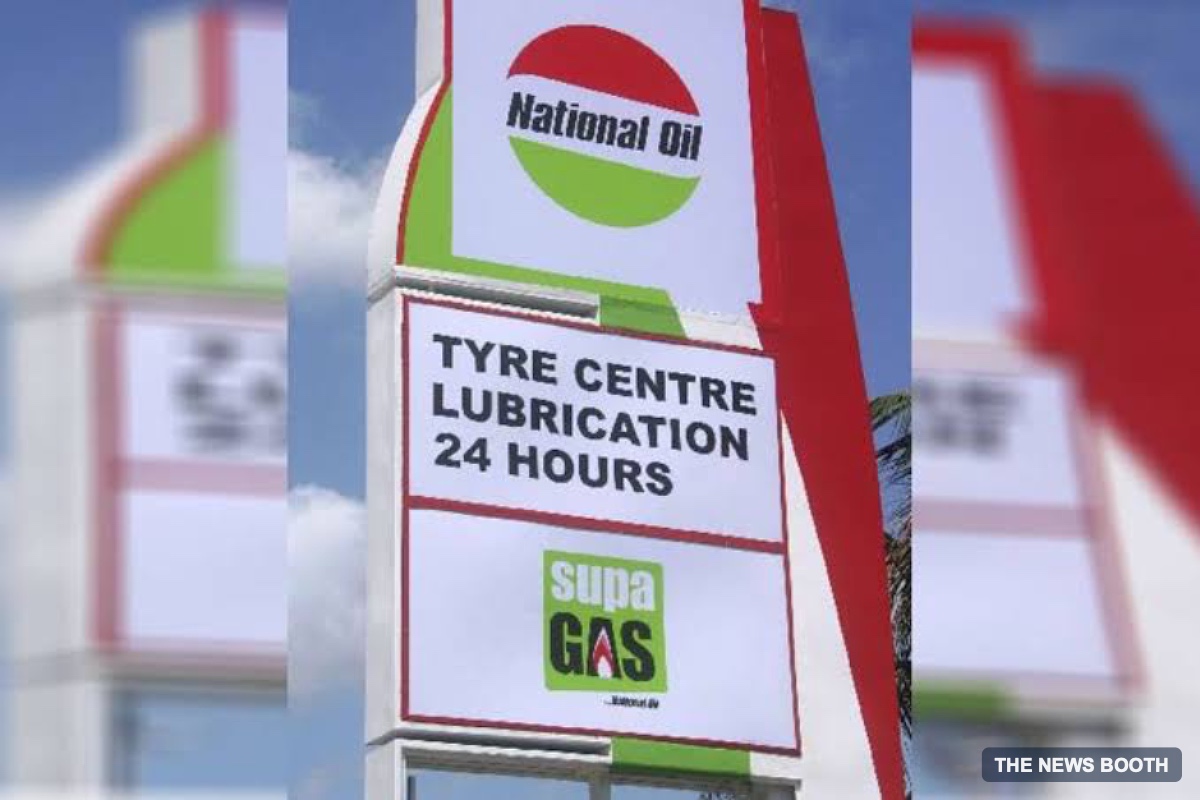
National Oil Corporation of Kenya (NOCK) has lost a proposed Sh6 billion investment from Rubis Energy Kenya after failing to settle a Sh2.1 billion loan owed to Stanbic Bank, dealing another setback to efforts to revive the struggling State-owned oil marketer. The collapse, reported on November 25, 2026, followed the depletion of funds in the Petroleum Development Levy (PDL) kitty, which had been earmarked to clear the outstanding debt.
Rubis had agreed to inject Sh6 billion into NOCK under a strategic partnership designed to restore the corporation's retail operations, improve its financial position and strengthen its competitiveness in Kenya's petroleum market.
The investment was to be divided between working capital and infrastructure improvements, including the rehabilitation, rebranding and expansion of NOCK's fuel stations. The two companies had also planned to share returns from fuel sales, with NOCK retaining 70 per cent and Rubis receiving 30 per cent.
However, the partnership was conditional on NOCK clearing its outstanding bank loans. While the government had already settled a Sh4.2 billion debt owed to KCB Group using money from the PDL kitty, the Stanbic facility remained unpaid.
Parliament had allocated approximately Sh2.1 billion in the 2025/26 financial year to settle the Stanbic loan. The funds were expected to come from the PDL kitty, which also finances fuel subsidies and development projects in the petroleum sector.
The allocation was not released after increased subsidy spending depleted the available funds following the escalation of the Middle East conflict. With the loan settlement condition unmet, Rubis withdrew from the proposed partnership.
The failed agreement leaves NOCK facing the challenge of rebuilding its business without the private-sector capital and operational support it had expected. The corporation once operated more than 100 fuel stations across Kenya, but years of financial difficulties, accumulated debt and competition from larger oil marketers have weakened its retail network.
Rubis, meanwhile, has continued expanding its presence in Kenya's petroleum market, competing with major players including Vivo Energy and TotalEnergies Marketing Kenya.
The collapse also raises questions about the government's ability to balance fuel price interventions with financing commitments to State-owned energy companies. Money drawn from the PDL kitty serves multiple purposes, meaning increased spending on consumer subsidies can leave less available for other sector obligations.
The government will now need to identify an alternative funding arrangement or strategic partner if it intends to proceed with NOCK's turnaround. Without a solution to its debt and working capital constraints, the corporation's ability to compete and fulfil its role in Kenya's petroleum supply chain will remain under pressure.