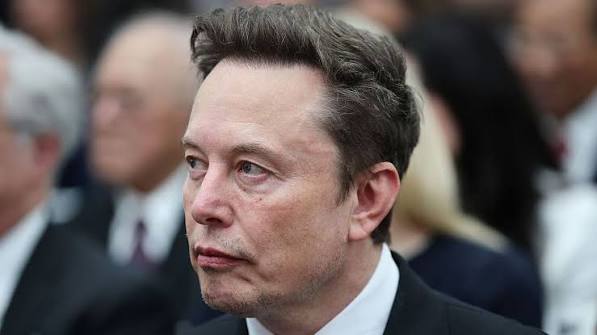
Elon Musk’s record-breaking political spending failed to secure major Republican victories in the 2026 US midterm elections, after Democrats swept key races and regained control of Congress.
The Tesla and SpaceX chief executive spent nearly $450 million supporting Republican candidates and political groups, making him one of the biggest individual political donors in American electoral history. Despite the scale of his financial backing, several candidates supported by Musk suffered defeats as Democrats recorded significant gains across the country.
One of the most notable setbacks came in Texas, where Democrat James Talarico defeated Republican Ken Paxton in the Senate race. Musk had reportedly spent at least $45 million supporting Paxton, while also using his social media platform, X, to attack Talarico and urge voters to back Republicans.
Talarico's victory became a symbolic rejection of the influence of wealthy political donors. In his victory speech, the Democrat said the result showed that money could not outweigh the will of voters.
Musk's political action committee, America PAC, also backed Republican candidates in several other states, including Ohio, Maine, Michigan and Iowa. Democrats secured important victories in those contests, undermining Musk's efforts to help Republicans maintain their hold on Congress.
The billionaire's spending included contributions to Republican-aligned political action committees, campaign advertising and groups targeting competitive Senate and House races. His political contributions reportedly exceeded the approximately $290 million he spent during the 2024 election cycle.
Musk's involvement extended beyond campaign financing. He repeatedly used X, which has more than 240 million followers, to promote Republican candidates and criticise Democrats. On election day, he urged his followers to vote Republican, but appeared to retreat from political commentary as results came in.
After the defeats, Musk joked on X that his "election-interfering space lasers" had failed, in an apparent reference to the Democrats' strong performance.
The results could have consequences beyond Musk's political ambitions. Democratic control of Congress is expected to bring greater scrutiny of government contracts, technology regulation and the relationship between major technology companies and the Trump administration.
SpaceX has benefited from substantial government contracts, while Musk's artificial intelligence and other technology interests could face closer examination from lawmakers seeking stronger oversight of the sector.
The election outcome also raises questions about the ability of wealthy individuals to shape political results through campaign spending. Although Musk's financial support helped make several races among the most expensive in the country, it did not guarantee victories for the candidates he backed.
For Democrats, the gains represent a significant political breakthrough and a challenge to the Republican administration's legislative agenda. For Musk, the defeats expose the limits of using personal wealth and a large social media following to influence voter decisions.