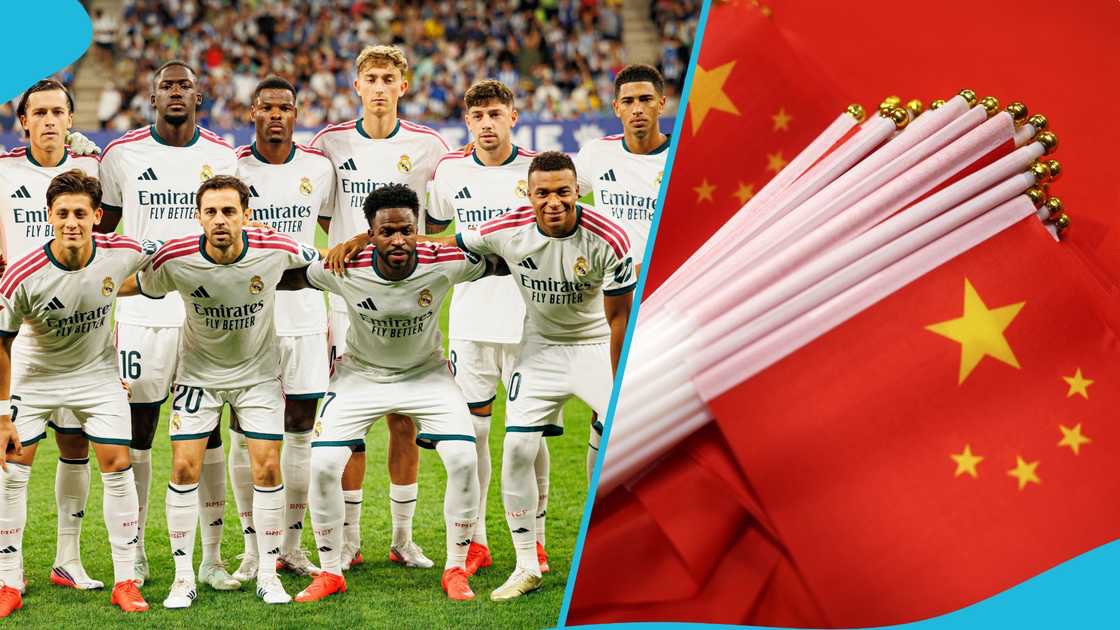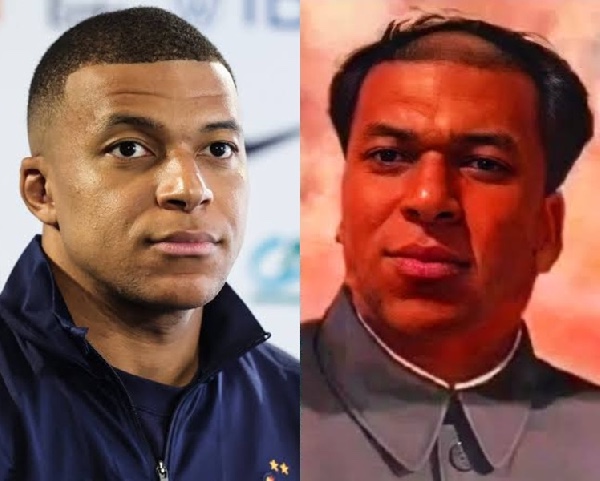
Real Madrid forward Kylian Mbappe apologised to China on Tuesday, October 27, 2026, after comments about a meme depicting him as former Chinese leader Mao Zedong sparked public outrage, costing him commercial partnerships and prompting a suspension of Spanish football broadcasts in the country.
In a statement published in French, Chinese and English, the France captain admitted that his remarks were ill-judged and acknowledged that they had hurt people in China and Chinese communities around the world.
“My comment was ill-judged and I now understand that it hurt many people in China and in Chinese communities around the world,” Mbappe said.
“I apologise to everyone my words have upset. This was absolutely not my intention. I have deep respect for the Chinese people and their history, and I am sincerely sorry.”
The apology followed the circulation of a video from an interview with French online show The Bridge, in which Mbappe discussed internet memes featuring digitally altered images of himself.
Asked about his favourite meme, the 27-year-old appeared to refer to an image showing his face superimposed on the body of Mao Zedong, describing the figure as “some guy — I think he’s a Chinese dictator”.
The video, which has since been taken down, triggered widespread criticism in China, where Mao remains a deeply significant historical and political figure.
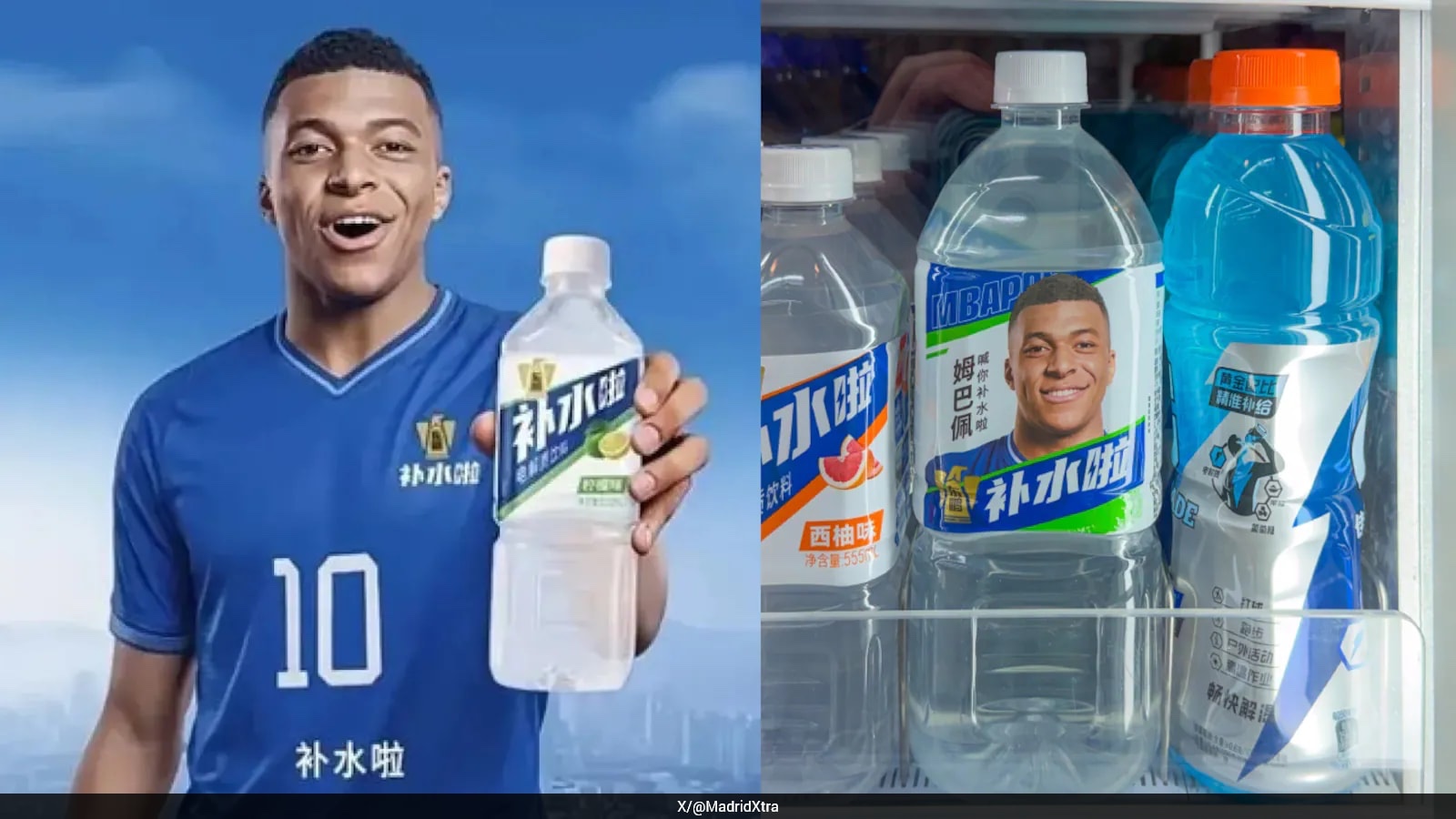
The backlash quickly extended to Mbappe’s commercial relationships, with three Chinese companies announcing the termination of their partnerships with the footballer.
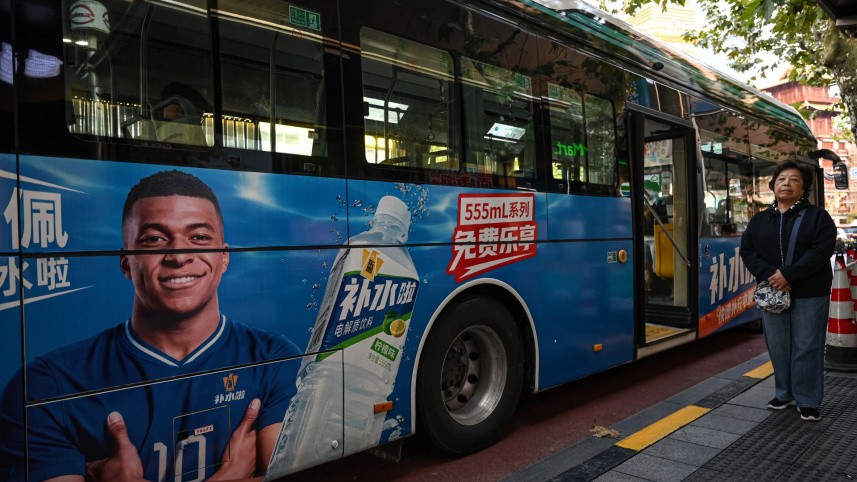
Beverage manufacturer Dongpeng, dairy giant Mengniu and cheese producer Milkground said they were ending their agreements with the player, citing opposition to conduct that hurts national sentiment.
The consequences also reached Spanish football. China Media Group announced the suspension of broadcasts of La Liga matches, alongside the removal of advertisements featuring Mbappe, amid the controversy.
The developments highlighted the commercial risks facing international sports stars whose public comments offend audiences in major markets.
La Liga subsequently expressed regret over the offence caused to Chinese supporters, clarifying that Mbappe’s comments were made in a personal capacity and did not represent the competition.
On Wednesday, October 28, China’s Foreign Ministry spokesperson Guo Jiakun said Beijing took the footballer’s apology seriously.
However, the response did not establish whether the broadcasting suspension or the terminated sponsorship agreements would be reversed.
Real Madrid also issued an apology to the Chinese people on Wednesday, expressing respect for the country, its history, culture and citizens, as the club sought to distance itself from the controversy surrounding its forward.
The incident adds to the challenges international sports organisations face when balancing players’ public conduct with commercial relationships and cultural sensitivities across global markets.