By The News Booth Desk
Email: info.newsbooth@gmail.com
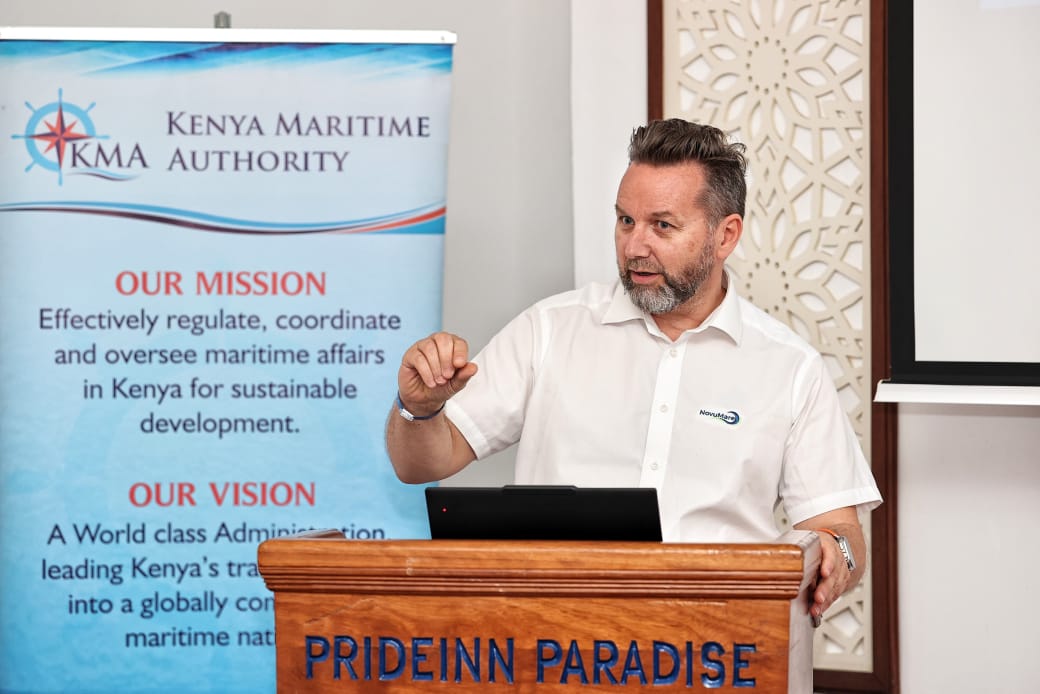
The Kenya Maritime Authority (KMA) recently spearheaded a significant initiative to bolster the country's readiness against marine oil pollution. From May 12 to 14, 2025, the KMA hosted the International Maritime Organization (IMO) Level 1 Oil Spill training in Mombasa. This crucial workshop was conducted by the Norwegian Coastal Administration, represented by managing director Odd Jorgensen, special advisor Helge Andersen, and project manager Hakon Ones. The training aimed to enhance human resource capacity for implementing a national oil spill contingency plan, a collaborative effort developed by KMA alongside other key stakeholders.
Odd Jorgensen emphasized the importance of the workshop, stating, “The workshop will enhance national preparedness and effective response to marine oil pollution incidents. It covers essential concepts and practical guidance on oil spill response at the operational level in line with international best practices.” This training is particularly significant given Kenya's strategic position along major global shipping routes, where the risk of oil spills poses a constant threat to marine ecosystems and coastal communities.
Speaking on behalf of KMA’s acting director general Isaiah Nakoru, marine environment assistant director Michael Mbaru highlighted the authority's commitment to preventive measures. “KMA is mindful of the importance of precautionary measures in avoiding pollution incidences and the need for prompt and effective action to minimize the damage which may result from oil pollution,” he said. This underscores the agency's proactive approach in safeguarding Kenya's marine environment.
The workshop was part of KMA's ongoing efforts to ensure continuous oil spill preparedness among its stakeholders. These efforts are designed to build a cadre of competent personnel capable of effectively responding to oil pollution incidents involving ships, sea ports, and oil handling facilities. The training drew participants from various sectors, including the Norwegian Coastal Administration, government ministries, departments and agencies, maritime educational institutions, and representatives from the private sector. This diverse participation underscores the collaborative approach necessary for effective maritime environmental protection.
As Kenya continues to develop its maritime infrastructure, the importance of such training cannot be overstated. The country's growing oil and gas exploration activities, coupled with increased maritime traffic, necessitate robust preparedness and response mechanisms to protect its marine and coastal environments. The KMA's initiative is a vital step in ensuring that Kenya is equipped to handle potential oil spill incidents, thereby safeguarding its rich marine biodiversity and the livelihoods of communities dependent on these resources.