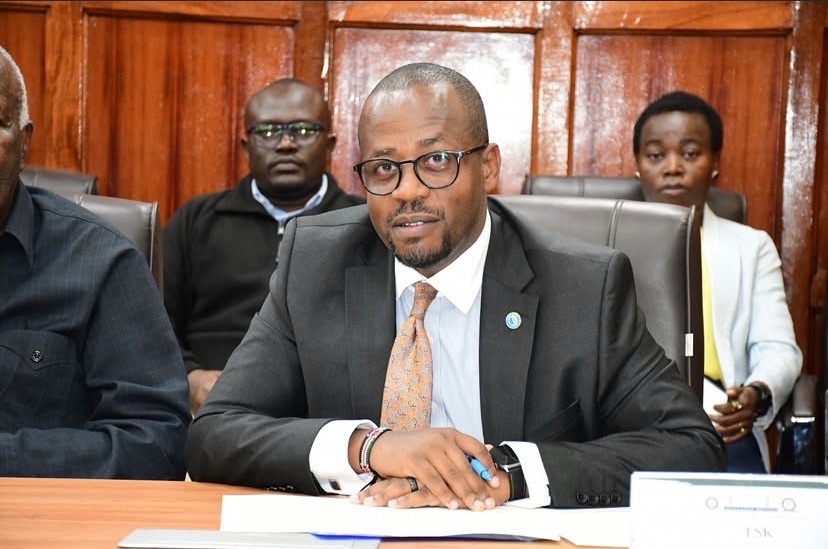
Former Chief Justice David Maraga has called for changes to Kenya’s electoral process that would allow citizens to independently verify presidential election results, arguing that the Independent Electoral and Boundaries Commission (IEBC) chairperson should focus on aggregating results already declared at constituency level.
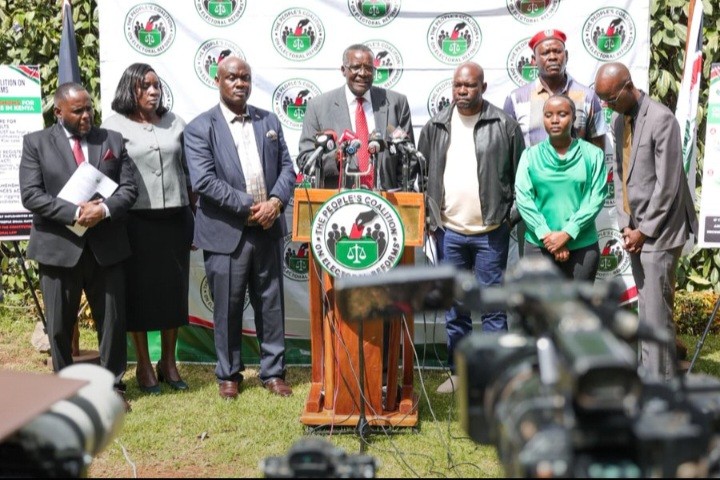
In a statement, Maraga cited Article 138 of the Constitution, which sets out the procedure for electing and declaring the President of Kenya, as he backed proposals by the People’s Coalition on Electoral Reforms.
The coalition is proposing amendments that would require presidential election results declared at constituency level to be live-streamed, allowing Kenyans to follow the process as figures are announced across the country and from the diaspora.
Under the proposal, the IEBC chairperson would aggregate results from the 290 constituencies and the diaspora after the results have been declared and made available for public verification.
Maraga’s position places emphasis on transparency at the point where votes are counted and results announced, with the aim of allowing the public to follow the process rather than relying solely on the final figures announced nationally.
He also backed the coalition’s proposal to keep the IEBC chairperson’s role focused on bringing together results already declared at constituency level.
The proposal seeks to make the announcement of results more open by ensuring that the figures emerging from each constituency can be viewed by the public in real time. Supporters of the approach argue that such access would give voters an opportunity to compare constituency declarations with the figures eventually presented at the national tallying centre.
The inclusion of results from the diaspora would also extend public access beyond voters within Kenya, covering results from Kenyans voting outside the country.
Maraga said Kenyans deserved an election whose results they could verify for themselves, underscoring the importance of public confidence in the electoral process.
The debate over electoral reforms comes as attention turns to preparations for the 2027 General Election, with questions surrounding the announcement, transmission and verification of results remaining central to discussions about electoral transparency.
The coalition’s proposals are aimed at strengthening public access to election results and ensuring that the figures used in the final presidential declaration can be traced to results announced at constituency level.