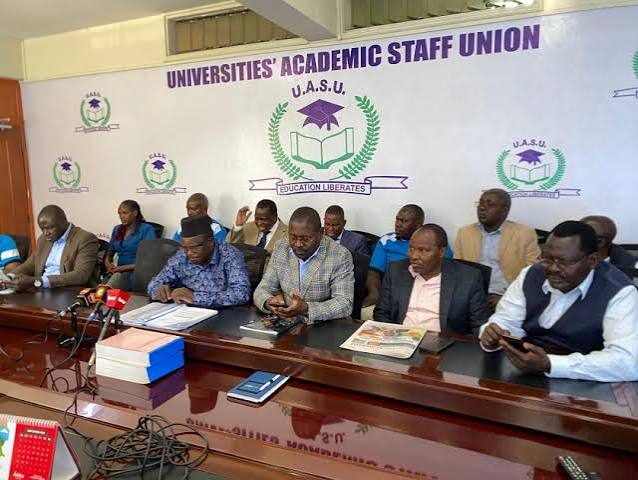
Public university lecturers in Kenya have reached a KSh 20 billion financial agreement with the government to resolve a nationwide strike that began on October 2, 2026, over stalled salary negotiations. The Universities Academic Staff Union (UASU) announced the breakthrough on October 28, raising hopes that teaching will resume across public universities on November 2.
The agreement covers salaries and allowances under the 2025–2029 Collective Bargaining Agreement (CBA), following weeks of negotiations involving union representatives, the Ministry of Education and the National Treasury. However, the strike is expected to be formally called off on October 30 after technical teams document the agreed terms.
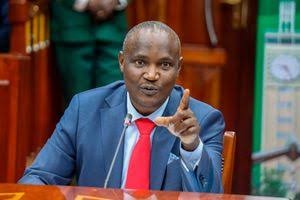
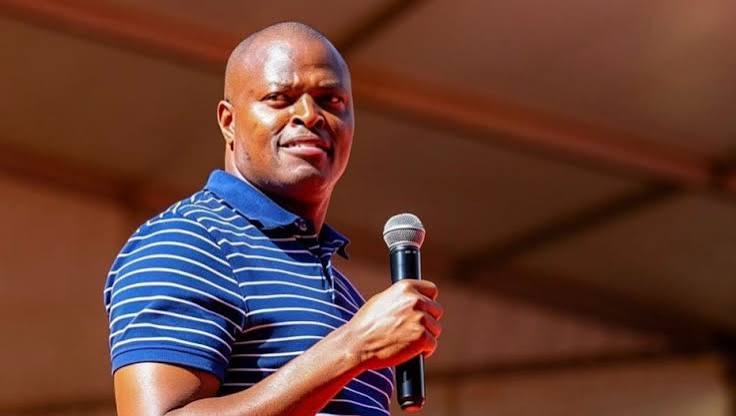
UASU Secretary-General Constantine Wasonga said the KSh 20 billion figure had been negotiated with the government rather than imposed on the union. The breakthrough followed a meeting involving senior government officials, including Education Cabinet Secretary Julius Ogamba and Treasury Cabinet Secretary John Mbadi.
The latest offer represents a significant increase from the government's KSh 11.96 billion counterproposal presented on October 26. Lecturers had rejected earlier offers, arguing that they did not adequately address salary adjustments and allowances for university staff over the four-year agreement period.
The unions had initially sought approximately KSh 98 billion for the CBA, meaning the reported settlement remains substantially below their original financial demand. Their proposals included basic salary increases ranging from 36 per cent to 68 per cent, depending on staff grade, alongside higher housing, commuter, leave and professional allowances.
The industrial action disrupted lectures, research, student supervision and other academic activities at public universities. Students faced uncertainty over the completion of coursework, examinations and graduation schedules as the dispute continued into its fourth week.
The expected return to classrooms would provide relief to thousands of students whose academic programmes have been interrupted. Universities will nevertheless need to assess how the disruption affects semester calendars and determine whether additional teaching time or revised examination schedules will be necessary.
Several issues remain unresolved despite the financial breakthrough. These include medical cover concerns and approximately KSh 7.9 billion in outstanding arrears linked to the previous 2021–2025 CBA, which unions have sought to have addressed separately. The precise distribution of the new KSh 20 billion package and its payment schedule also remain subject to the documentation of the agreement.
The Kenya Universities Staff Union (KUSU) and the Kenya Union of Domestic, Hotels, Educational Institutions, Hospitals and Allied Workers (KUDHEIHA) have also been involved in the wider dispute affecting university employees.
The formal signing and implementation of the agreement will determine whether the settlement translates into the expected salary and allowance adjustments. For students and university administrators, the immediate priority is restoring academic activities while ensuring that outstanding labour issues do not trigger another prolonged shutdown.
The dispute has highlighted persistent tensions over the financing of public higher education, with unions pressing the government to provide adequate funding for staff remuneration while universities manage competing operational and academic demands.