BY SHABAN MWAJABE
People living with disabilities in Kwale County are calling on the Department of Social Services to facilitate their inclusion in the National Hospital Insurance Fund (NHIF) scheme. This demand was highlighted during the launch of the Kwale County Disability Network at the Lydia Kanini Disability Technical Training Centre in Diani. The event brought together various stakeholders advocating for the rights of persons with disabilities, with a focus on ensuring they receive equitable healthcare services.
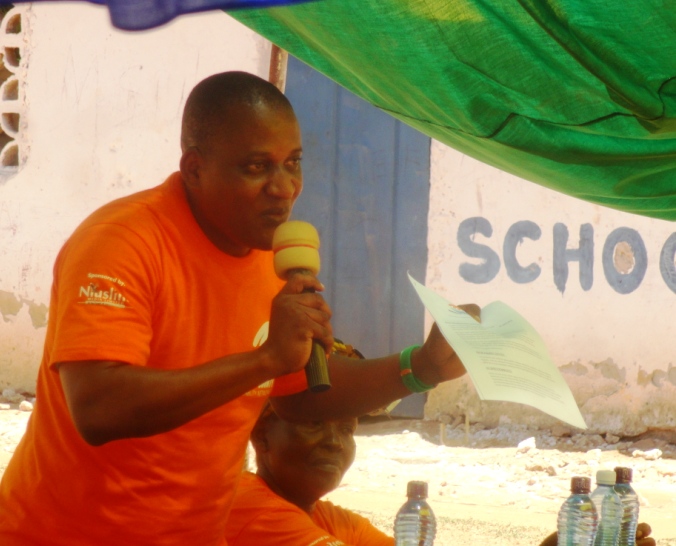
Ngao Mwavuna, the Kenya Advocate Officer Action Network for the Disabled, emphasized the critical need for the NHIF scheme to cover persons with disabilities. He pointed out that excluding them from this essential service could hinder the full realization of the Universal Healthcare agenda, one of the government's Big Four initiatives. "As part of the big four agendas, we believe every Kenyan citizen must benefit from it, and if we are not included automatically, then it will translate to no universal at all," Mwavuna asserted. His statement underscores the importance of inclusivity in government programs aimed at improving the quality of life for all citizens.
Mr. Mwavuna expressed dissatisfaction with the treatment of vulnerable members of society, particularly in political, social, and economic spheres. He criticized both county and national governments for failing to adequately incorporate the needs of people with disabilities into their development plans. According to Mwavuna, these citizens have consistently received a 'raw deal' when it comes to development projects, which often overlook their unique challenges and needs.
Despite the diverse types of disabilities, Mwavuna noted that few governors and national officials have shown genuine commitment to addressing the issues faced by this community. He lamented that many leaders only pay lip service to the plight of people with disabilities, often doing so when directly confronted with their living conditions. This lack of action, he warned, could lead to the continued marginalization of people with disabilities in social and economic activities.
Mwavuna urged individuals with disabilities to advocate for their rights actively. He stressed the importance of self-advocacy, warning that unless they stand up for their cause, they risk being forgotten in the broader development agenda. His call to action aims to empower people with disabilities to demand their rightful place in society and ensure their needs are met in all aspects of life.