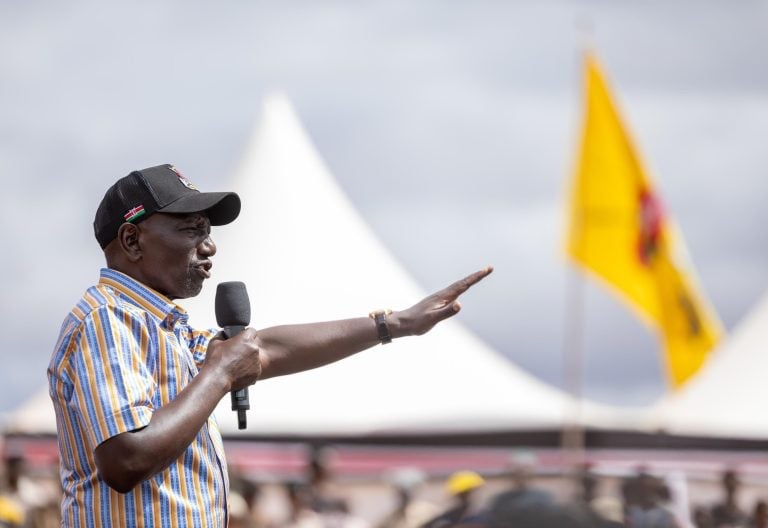
Former Makueni Governor Prof. Kivutha Kibwana has warned that the opposition risks handing President William Ruto an easy victory in the August 10, 2027 General Election if its leaders fail to unite, agree on a common candidate and develop a people-centred agenda.
In a political assessment of the emerging opposition landscape, Kibwana drew parallels with Kenya's 1992 and 1997 elections, when divisions among opposition leaders enabled the then President Daniel arap Moi to retain power despite growing pressure for political change.
He argued that the opposition must learn from the 2002 General Election, when previously competing political formations set aside their differences, rallied behind Mwai Kibaki and formed the National Rainbow Coalition (NARC), ending KANU's 39-year hold on power.
Kibwana cautioned that the current opposition could repeat the mistakes of the past if individual ambitions, internal disagreements and public exchanges among its leaders continue to undermine efforts to establish a united political front.
Challenges facing the opposition
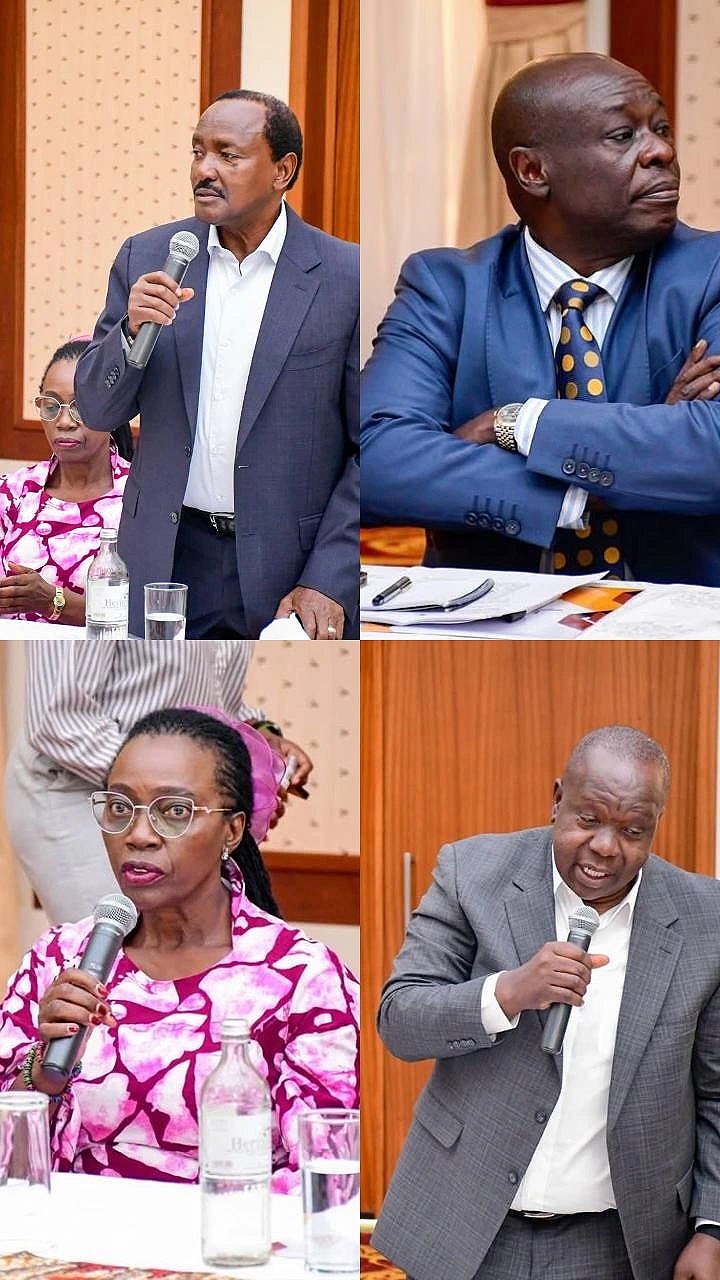
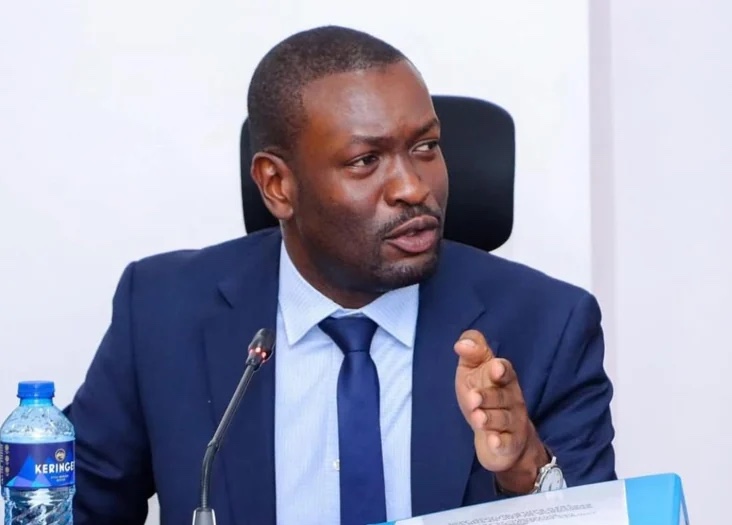
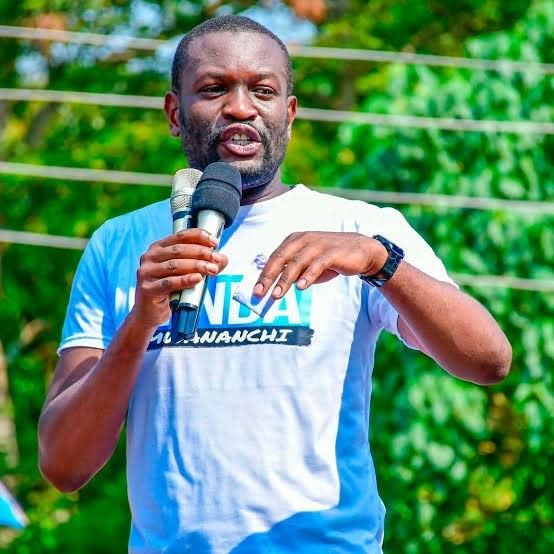
His remarks come amid growing efforts by opposition leaders, including former Deputy President Rigathi Gachagua, Wiper leader Kalonzo Musyoka, Nairobi Senator Edwin Sifuna and former Interior Cabinet Secretary Fred Matiang'i, to consolidate their political bases ahead of the 2027 contest.
The challenge facing the opposition is not necessarily a shortage of leaders with national political appeal, but the difficulty of bringing their competing interests together under one presidential ticket.
The November 2026 TIFA Research survey illustrates the scale of the challenge, with President Ruto and Edwin Sifuna tied at 31 per cent in preferred presidential candidate ratings.
Kalonzo Musyoka follows at 9 per cent, Fred Matiang'i at 5 per cent and Gachagua at 4 per cent, while 15 per cent of respondents remain undecided.
The findings suggest that the opposition has potentially competitive political figures, but their individual support bases do not automatically translate into a consolidated electoral advantage.
A joint candidate would still need to convince supporters of other opposition leaders to transfer their loyalty to the coalition.
The survey also raises questions about internal cohesion, with 43 per cent of opposition supporters identifying Gachagua as the person they believe is mainly responsible for disagreements within the opposition.
The finding could complicate coalition negotiations, particularly given his political influence in the Mt Kenya region.
Public concerns and governance issues
However, the survey also highlights the challenge facing Ruto, whose administration will be seeking a second term amid public concerns about the cost of living, taxation, unemployment, public debt and the delivery of campaign promises.
Kibwana's call for a pro-people agenda therefore goes beyond the question of who should fly the opposition flag.
He argues that the opposition must establish an irrevocable social contract with young people and other Kenyans, offering practical solutions to the economic and governance challenges affecting households.
Such an agreement would require clear commitments on employment creation, economic opportunities, affordable healthcare, education, accountability, corruption and the responsible management of public resources.
It would also need to demonstrate how a possible coalition government would operate, distribute responsibilities and resolve disagreements without descending into the kind of internal wrangles that have historically weakened political alliances.
The growing influence of young voters could prove particularly important in the next election. Their demands for accountability, economic inclusion, constitutionalism and better governance have increasingly shaped national political conversations.
Engaging young voters effectively
For the opposition, this presents an opportunity to move beyond anti-government rhetoric and offer a credible alternative that speaks directly to the concerns of ordinary Kenyans.
Ruto, on the other hand, benefits from incumbency, an established political network and the visibility that comes with leading the government. However, these advantages will also expose his administration to greater scrutiny over its performance.
Kibwana's warning that so-called friendly fire must cease is therefore a pointed message to opposition leaders whose public disagreements risk weakening their collective political standing.
While competition for the presidential ticket is inevitable, the opposition will need agreed mechanisms for selecting its candidate, choosing a running mate and managing internal disputes.
The TIFA findings provide an indication of the political mood but should not be interpreted as a prediction of the 2027 election outcome. The eventual contest will depend on coalition arrangements, campaign strategies, voter mobilisation and the competing policy proposals.
Ultimately, Kibwana's message is that opposition unity must be built around more than a shared desire to remove Ruto from power. It must be anchored in a common national vision and a credible commitment to the electorate.
The need for a united front
His reference to 2002 serves as a reminder that political compromise can change electoral fortunes, while the experiences of 1992 and 1997 demonstrate the risks of fragmentation.
With the 2027 General Election approaching, the question is whether opposition leaders can put aside their individual ambitions, stop attacking one another and agree on a common political and economic agenda before Ruto capitalises on their divisions.