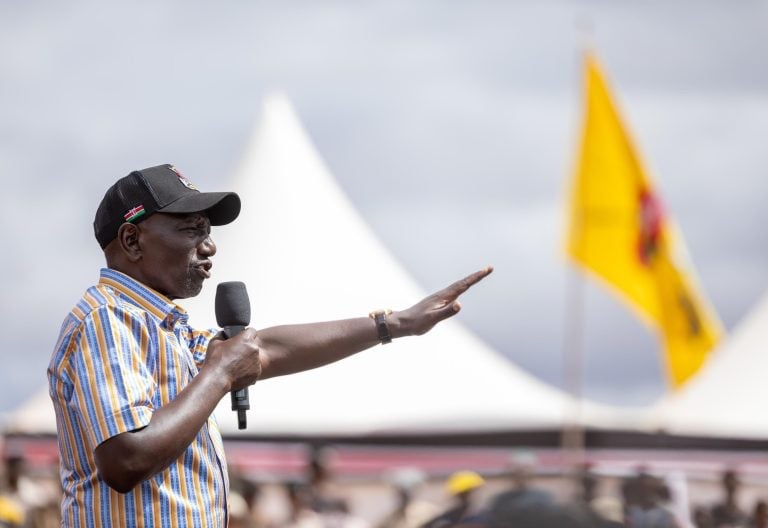
President William Ruto begins a two-phase tour of Western Kenya on Thursday, November 19, with an extensive programme of development project launches, inspections and public addresses across Busia, Bungoma, Kakamega and Vihiga counties.
The President is expected to use the regional tour to launch new infrastructure, education, electricity and community development projects, inspect previously initiated programmes and address residents in the areas he visits.
The engagements also come ahead of the August 2027 General Election, with Ruto expected to highlight his administration’s development agenda and promote its policies as political activity intensifies across the region.
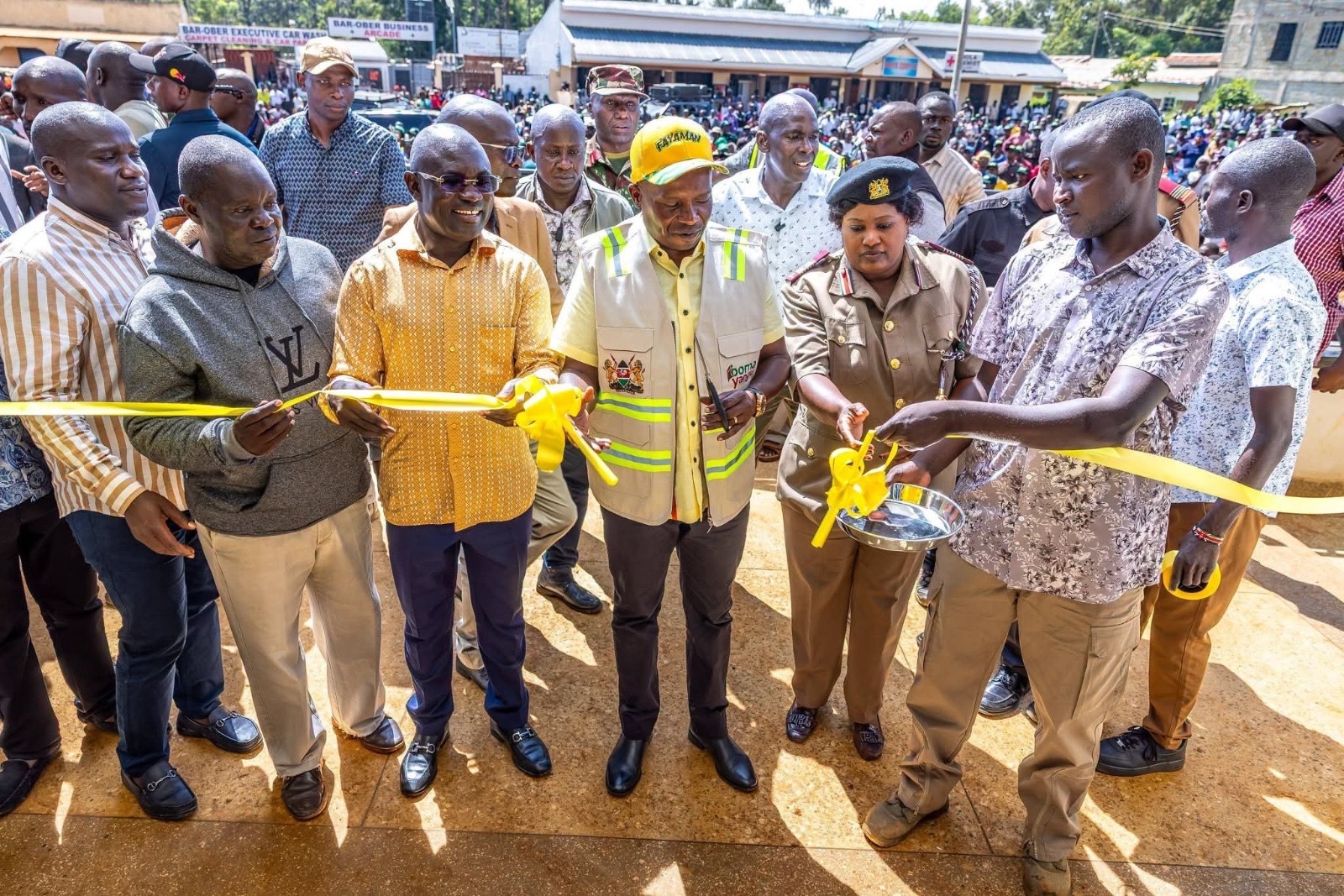
The first phase of the tour begins in Busia County, where the President is scheduled to launch the construction of an administration block at Kakemer Primary School.
His itinerary also includes a visit to the Akichelesit military camp and the launch of an Iteso community cultural centre at Kakapel, which is intended to provide a platform for preserving and promoting the community’s cultural heritage.
Ruto will also preside over the launch of the Butula–Nambale–Amukura–Kocholia road project, an infrastructure initiative expected to improve transport connectivity across the affected areas.
Later in the afternoon, the President will proceed to Bungoma County, where he is expected to launch the construction of the Matisi–Bokoli–Milani–Teremi road.
The programme will also include the commencement of construction at Bokoli Market and the establishment of the Bokoli Sports Training School before he addresses residents.
On Friday, November 20, Ruto will return to Busia County for further development engagements, beginning with the launch of the Mau Mau–Mabinju road project in Budalang’i Constituency.
He is also expected to preside over the launch of ACK Musoma Secondary School before proceeding to neighbouring Funyula Constituency, where construction of Mulwanda Market is scheduled to begin.
The President will subsequently travel to Kakamega County for similar development activities in Butere and Shinyalu.
The second phase of the tour is scheduled to begin on November 28 in Busia County, with Ruto expected to visit Butula Constituency.
His engagements will include the launch of construction works for student hostels at Butula Kenya Medical Training College (KMTC), alongside the initiation of an electricity connectivity project targeting households in the area.
From Busia, the President will proceed to Misikhu in Bungoma County before visiting Navakholo and Ikolomani constituencies in Kakamega County, where additional development projects are scheduled for launch.
The tour will conclude on December 1, with engagements in several locations across Vihiga and Kakamega counties.
The scheduled stops include Hamisi and Kaimosi in Vihiga County, followed by Shimanyiro and Lurambi constituencies and Kakamega town in Kakamega County.
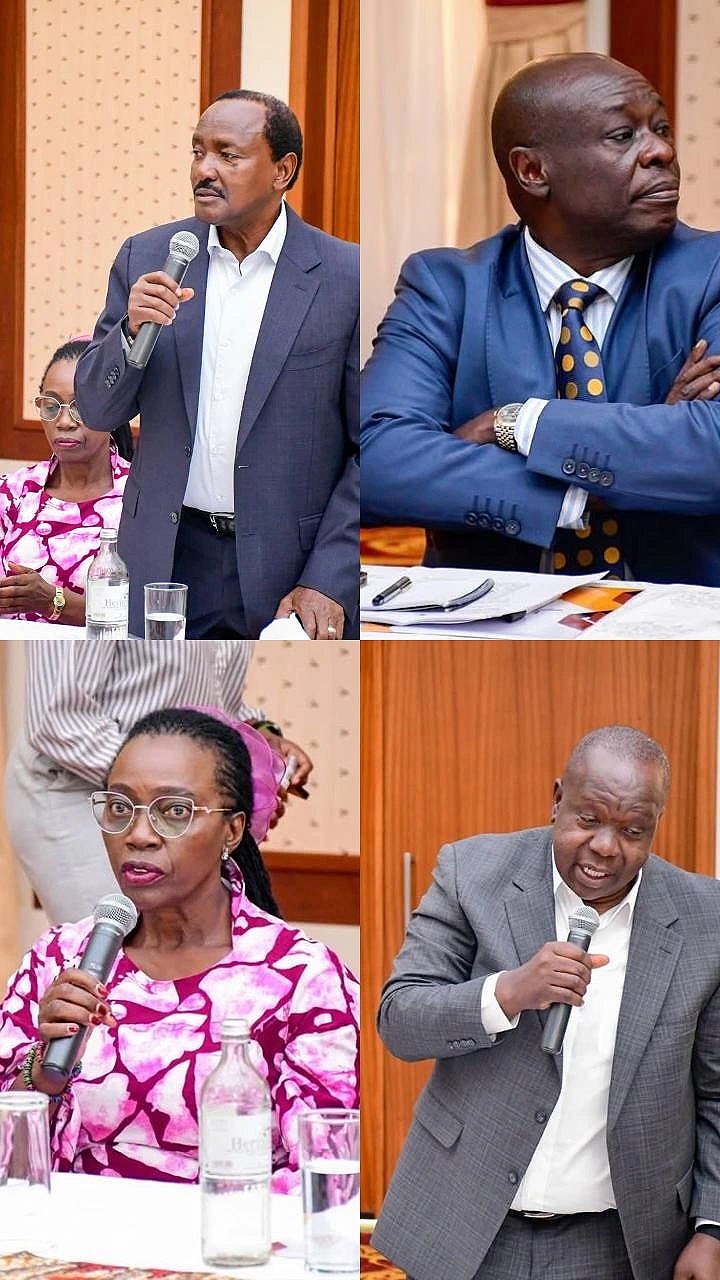
The regional tour follows a November 17 meeting between Ruto and leaders from Western Kenya at State House, Nairobi, where discussions focused on accelerating development and expanding government investment across the region.
The meeting brought together governors, Members of Parliament and senior government officials, with infrastructure, agriculture, affordable housing, healthcare, industrial parks and economic investment among the issues discussed.
The visit also carries political significance as the country approaches the 2027 General Election, with Western Kenya remaining an important region in the competition for political support.
According to The Star, Ruto secured approximately 630,000 presidential votes in Western Kenya during the 2022 General Election, compared with approximately 1.02 million votes received by the late Raila Odinga.
The President’s return to the region therefore comes amid efforts by Kenya Kwanza leaders, including Prime Cabinet Secretary Musalia Mudavadi and National Assembly Speaker Moses Wetang’ula, to strengthen the administration’s political presence.
The two-phase programme will give the President an opportunity to present his government’s development priorities directly to residents while revisiting areas where infrastructure and other public investment commitments have been announced.