Kenya's private sector has shown signs of recovery, with the latest data indicating a positive shift in business sentiment. According to the Stanbic Bank Kenya Purchasing Managers' Index (PMI) released on Monday, October 5, the index rose to 51.3 in September from 49.7 in August. This rise above the critical 50.0 threshold, which distinguishes between growth and contraction, signals a modest improvement in business conditions. The September reading matches July as the joint-fastest improvement since January, suggesting a rebound in economic activity.
The PMI, compiled by S&P Global for Stanbic Bank, is derived from a monthly survey of approximately 400 private companies. The data for September was collected between September 10 and 28, capturing a snapshot of the economic landscape during that period. The survey revealed that stronger customer demand and an increase in new orders were the primary drivers of this recovery, with new business rising for the fourth consecutive month. This uptick in demand led firms to boost their purchasing activities and inventories, while employment levels also saw growth.
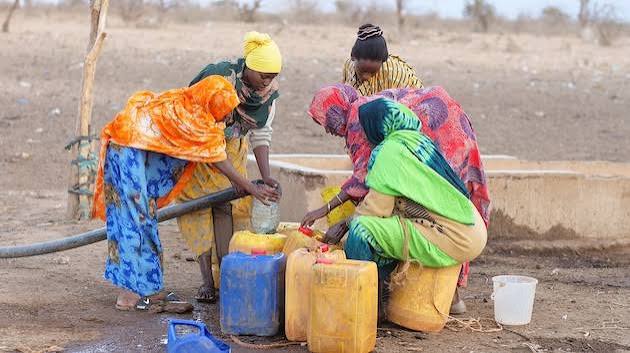
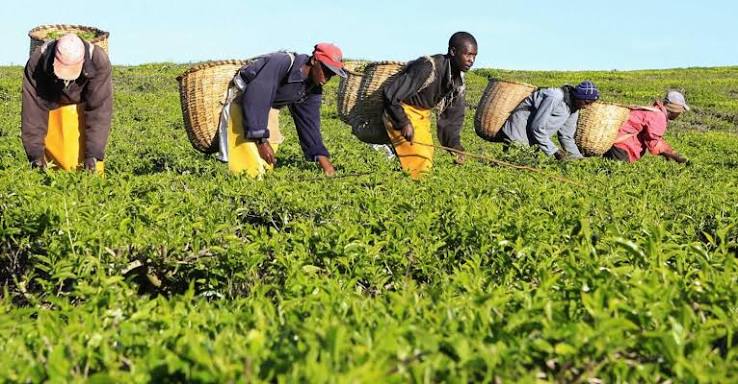
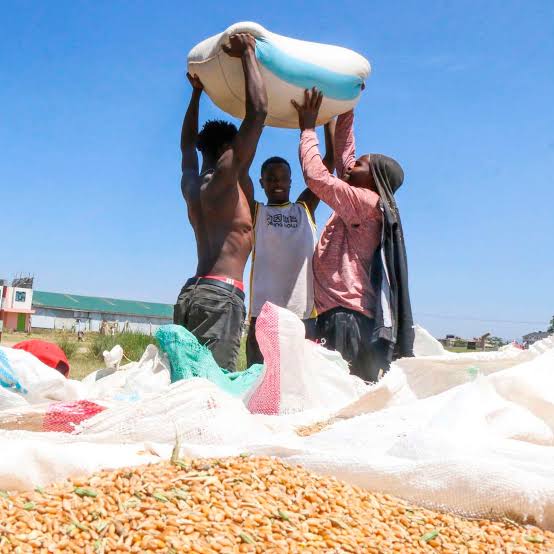
Despite these positive developments, challenges remain. Companies reported high costs for fuel, transport, and agricultural inputs, alongside material shortages. These factors have particularly affected the agriculture and wholesale and retail sectors, which reported reduced activity. In contrast, the manufacturing, construction, and services sectors experienced expansion, contributing to the overall improvement in the PMI.
Cost pressures continue to impact the economy, with approximately 30 percent of firms reporting higher input costs. Output price inflation was noted as the second-fastest since November 2023, surpassed only by June 2026. This inflationary trend coincides with a rise in annual inflation, which increased to 6.8 percent in September from 6.6 percent in August.
Christopher Legilisho, an economist at Stanbic Bank, commented on the findings, noting that the rise in the PMI indicates a demand-led improvement rather than a broad-based recovery in economic activity. He described the near-term outlook as "cautiously positive," emphasizing that sustained growth will depend on the easing of cost pressures and improved availability of inputs. Without these changes, Legilisho warned, growth may remain modest and could become increasingly inflationary.
Overall, while the recent data points to a positive shift in Kenya's business mood, the path to sustained economic recovery will require addressing the underlying cost challenges and ensuring a stable supply of essential materials.