Kenya’s economy is expanding, employment is increasing and wages are recovering, but millions of households are yet to experience meaningful improvements in their living standards as informal work and poverty continue to weigh on the country.
The World Bank’s November 2026 Kenya Economic Update shows that the economy grew by 5.2 per cent in the first half of 2026, up from 4.9 per cent during the same period in 2025. Total employment also expanded by 4 per cent in 2025, reflecting job creation in both formal and informal sectors.
However, the quality of those jobs remains a major concern. Informal employment accounted for 83.8 per cent of total employment in 2025, while formal jobs represented just 16.2 per cent.
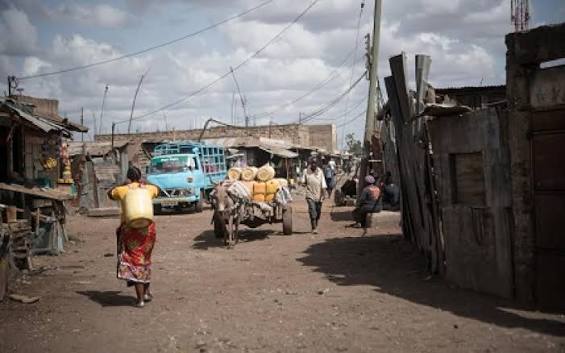
This means most working Kenyans remain in activities that often provide unstable earnings, limited employment protection and few opportunities for career progression. Informal workers include small traders, boda boda riders, market vendors, casual labourers and people working in other low-productivity activities.
Although formal wage employment grew by 3.1 per cent in 2025, up from 1.8 per cent in 2024, the improvement has not been enough to change the country's broader employment structure. Real wage earnings recovered by about 2 per cent, offering some relief to households but highlighting the modest pace of income growth.
Poverty also remains widespread. The World Bank projects that 43 per cent of Kenyans will be living below the international poverty line of US$3 per day in 2026, based on 2021 purchasing power parity. The rate is projected to decline to 41.4 per cent by 2028, indicating that poverty reduction is expected to remain gradual.
The report warns that higher fuel and food costs could further weaken household purchasing power, particularly among poorer families who spend a larger share of their income on essential goods. Below-average short rains have also weighed on agricultural growth, creating additional risks for households dependent on farming.
The gap between economic expansion and household welfare points to a deeper challenge: growth must generate more productive jobs and translate into stronger incomes if it is to reduce poverty meaningfully.
The World Bank recommends reforms that encourage private investment, improve productivity, lower business costs and support the expansion of firms capable of creating better-paying jobs.
For millions of Kenyans, the real measure of economic progress will not simply be a higher GDP growth rate. It will be whether work provides enough income to meet household needs, save for the future and escape poverty.