
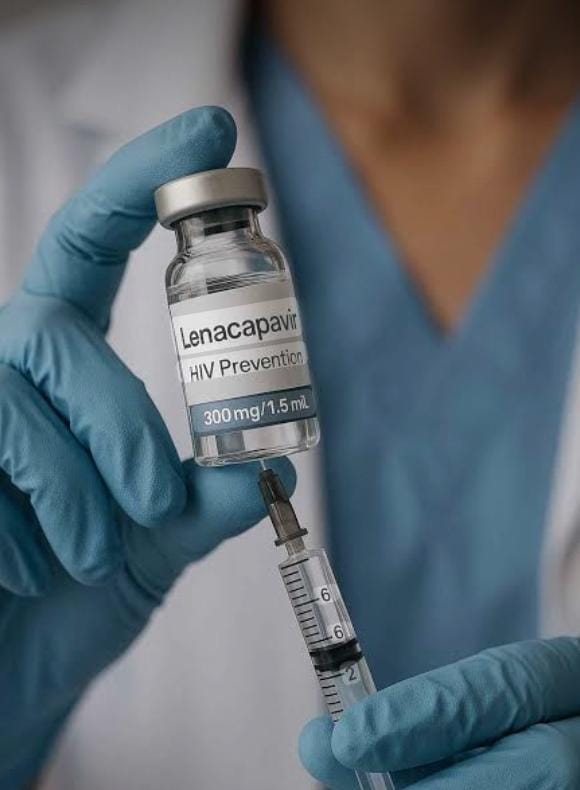
Kenya is set to manufacture a new monthly HIV prevention drug for African markets after being granted a licence to produce the medicine locally. This significant development comes as part of a broader initiative to enhance healthcare access across the continent, particularly in the fight against HIV/AIDS, which remains a pressing public health issue in many African nations.
The country is among three African nations selected to manufacture the drug, with seven generic drugmakers set to produce a low-cost version. This collaboration is expected to lead to increased availability of the drug, making it more accessible to individuals who need it most. The decision to allow local production aligns with global health strategies aimed at reducing dependency on imported medicines, particularly for critical treatments like those for HIV.
Pharmaceutical company Merck announced the licensing deal on Friday, paving the way for generic manufacturers to produce the HIV prevention pill. This agreement is a landmark achievement, as it not only allows for local production but also empowers African manufacturers to take an active role in the pharmaceutical supply chain.
Principal Secretary for the State Department for Medical Services Dr. Ouma Oluga welcomed the development, saying it was a major step towards local drug manufacturing. His enthusiasm reflects the broader sentiment within the Kenyan government and health sector regarding the importance of self-sufficiency in healthcare. “Very pleased to have brought this achievement home from the just concluded UNGA 81, making local manufacturing of drugs no longer a talk but a reality,” Oluga said. His remarks underscore the significance of this milestone in the context of Kenya's health policy and economic strategy.
The development also marks the first time African manufacturers will be involved in the licensing of an HIV medicine from the beginning. This is a crucial shift that could lead to more innovations and adaptations of medications that are tailored to the unique needs of the African population. By fostering local expertise and production capabilities, Kenya is setting a precedent for other nations to follow.
Kenya’s local production of the drug is expected to support access to HIV prevention medicine in African markets. This initiative not only aims to reduce the cost of the drug but also to ensure a steady supply, which is vital for effective HIV prevention strategies. The implications of this development are far-reaching, potentially transforming the landscape of HIV prevention in Africa and contributing to the global efforts to end the AIDS epidemic.