Kenya is preparing to transport its first crude oil from Turkana County to Mombasa on December 2, 2026, marking a major step towards commercialising the country's petroleum resources. The government confirmed the transportation schedule as Gulf Energy targets the start of production at the South Lokichar oilfields on December 1.
Petroleum Principal Secretary Kello Harsama told the National Assembly's Energy and Petroleum Committee that the first road transportation of crude from the Lokichar oilfields to the Port of Mombasa would begin on December 2. The government is coordinating security, road logistics and compensation along the transport corridor.
Approximately Sh2.7 billion has been released to the National Land Commission to compensate people affected by the project. MPs have, however, demanded accountability to ensure that the money reaches the intended beneficiaries and that disputes do not disrupt transportation.
Gulf Energy, the company developing the South Lokichar oilfields, plans to begin production at an initial rate of approximately 20,000 barrels per day. Output is expected to increase to 50,000 barrels daily in a subsequent phase, before eventually reaching a target of 120,000 barrels per day as additional fields are developed.
The initial development covers four fields known as Ngamia, Amosing, Twiga and Ekales, within the wider South Lokichar Basin. The project covers six oil discoveries in Blocks T6 and T7, with estimated recoverable resources of 326 million barrels over a 25-year contract period.
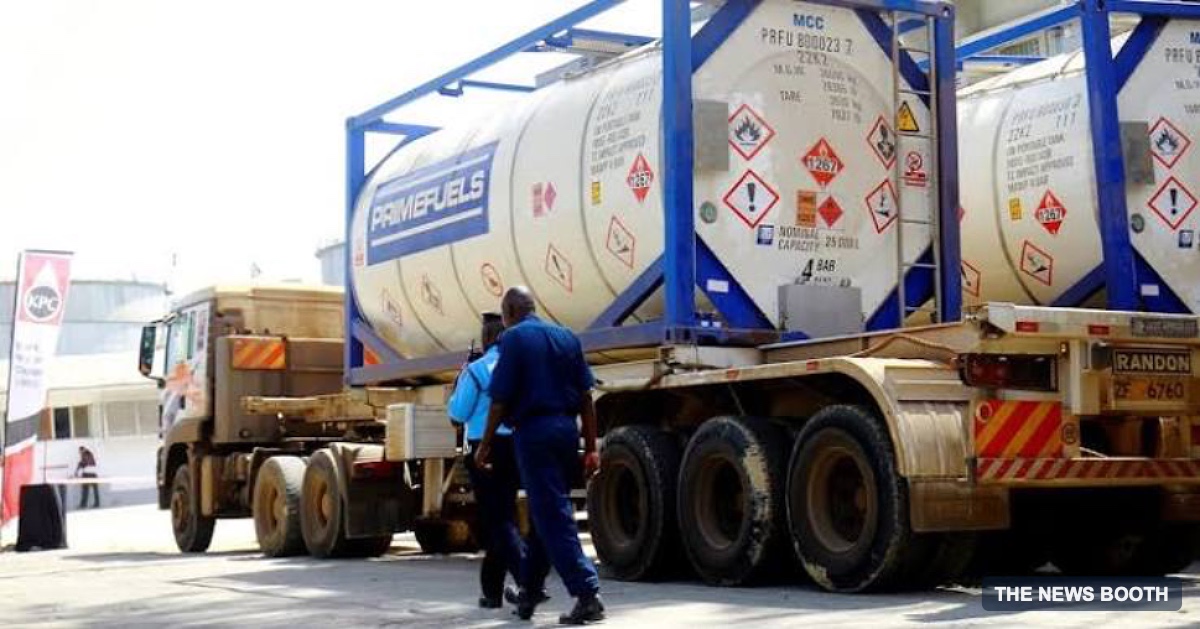
Gulf Energy has contracted approximately 600 trucks to transport the crude from Turkana to Mombasa. Of these, 400 have been reserved for transporters from communities in the oil-producing region, creating opportunities for local businesses to participate in the emerging petroleum supply chain.
The company has indicated that the first crude exports are expected on March 1, 2027. The oil will initially be transported by road and stored at Kenya Petroleum Refineries Limited's tank farms in Mombasa before export. A pipeline is expected to replace road transportation when production reaches a level that justifies the investment.
The project is expected to create opportunities for transporters, logistics companies, suppliers and businesses operating along the Northern Kenya corridor. However, the government will also need to address infrastructure, security, compensation and environmental concerns associated with moving crude across the country.
The December milestones will be closely watched as Kenya attempts to move from decades of oil exploration to actual production and export earnings. Whether the project reaches its planned production levels and export schedule will determine how quickly the country begins to realise commercial returns from its petroleum resources.