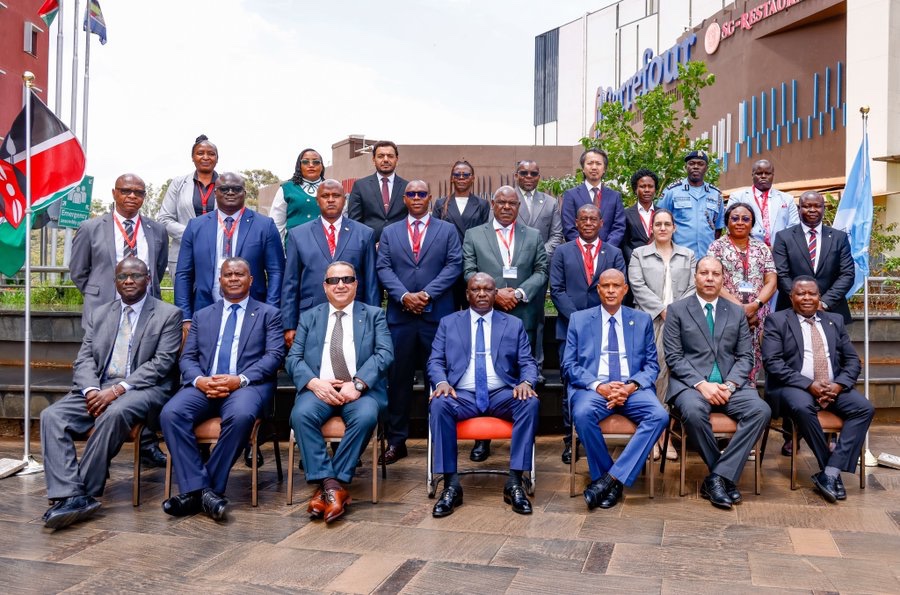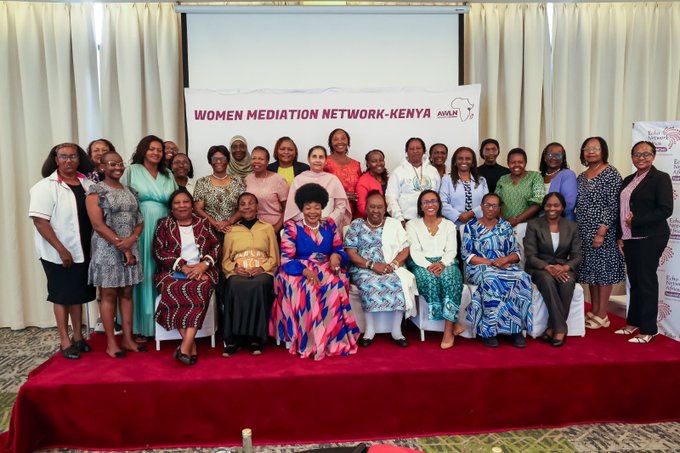
Kenya has relaunched its Women Mediation Network to strengthen efforts to prevent electoral violence ahead of the August 2027 General Election, with better coordination of women mediators and responses to online hate speech among its key priorities.
The United Nations in Kenya said the relaunch places women’s leadership, early dialogue and community trust at the centre of efforts to identify and address tensions before they escalate into conflict.
UN Kenya said the country has no shortage of trained women mediators but faces the challenge of connecting their work across communities, counties and institutions.
The organisation identified clear mandates, shared standards and coordinated responses as necessary measures to improve how women mediators work together to prevent emerging disputes from escalating.
The network is also expected to strengthen links between local peacebuilding initiatives and national early warning systems, helping ensure that concerns identified within communities inform broader conflict prevention efforts.
UN Kenya further warned that threats to peace are increasingly extending into digital spaces, with disinformation, hate speech and online harassment targeting women in public life posing additional challenges.
It called for stronger digital responses to these threats and greater involvement of young people as partners in preventing conflict, particularly as political activity intensifies ahead of the 2027 polls.
The network was first launched on March 7, 2022, ahead of that year’s General Election. According to the United Nations Department of Political and Peacebuilding Affairs, it initially brought together 16 women drawn from civil society, faith-based organisations, academia, the media and the private sector.
The network was established to harness existing mediation expertise and strengthen conflict prevention as Kenya prepared for the 2022 elections. Its relaunch comes as peacebuilding stakeholders seek to strengthen coordination and early intervention before the next electoral cycle.
The National Cohesion and Integration Commission (NCIC) has also stepped up preparations for the 2027 elections through its second Roadmap to a Violence-Free General Election, dubbed Uchaguzi Bila Noma, launched on August 25, 2026.
The roadmap seeks to strengthen early warning and response mechanisms, promote responsible political leadership and improve collaboration among security agencies, electoral institutions, political actors, civil society organisations and communities.
The commission has identified political intolerance, ethnic mobilisation, misinformation and disinformation among potential drivers of electoral conflict. It has also outlined plans to strengthen mediation structures and monitor hate speech in social media and public spaces.
Separately, women leaders and peacebuilders under the Kenyan Women for Peace initiative met in Nairobi on October 9, 2026, and committed to supporting efforts towards peaceful and inclusive elections.
The University of Nairobi reported that the initiative aims to establish a Women’s Situation Room for the 2027 polls, providing a coordinated mechanism for early warning, dialogue and responses to electoral tensions.
The Women’s Situation Room initiative is separate from the Women Mediation Network, although both focus on preventing electoral violence and strengthening women’s participation in peacebuilding.
UN Kenya reaffirmed its commitment to strengthening women’s mediation, connecting local peace efforts with national early warning systems and supporting peaceful, credible elections in 2027.
The success of these efforts will depend on effective coordination among mediators and institutions, timely responses to emerging tensions and the ability to address both community-level disputes and threats spreading through digital platforms.