Kenya Power has posted a net profit of Sh24.99 billion for the financial year ended June 30, 2026, up from Sh24.47 billion recorded in the previous financial year.
The improved performance represents a 2.13 per cent increase, equivalent to Sh522 million, as the electricity distributor continued to strengthen its financial position amid rising power consumption.
Profit before tax rose to Sh36.01 billion from Sh35.38 billion, while revenue increased from Sh219.29 billion to Sh238.24 billion.
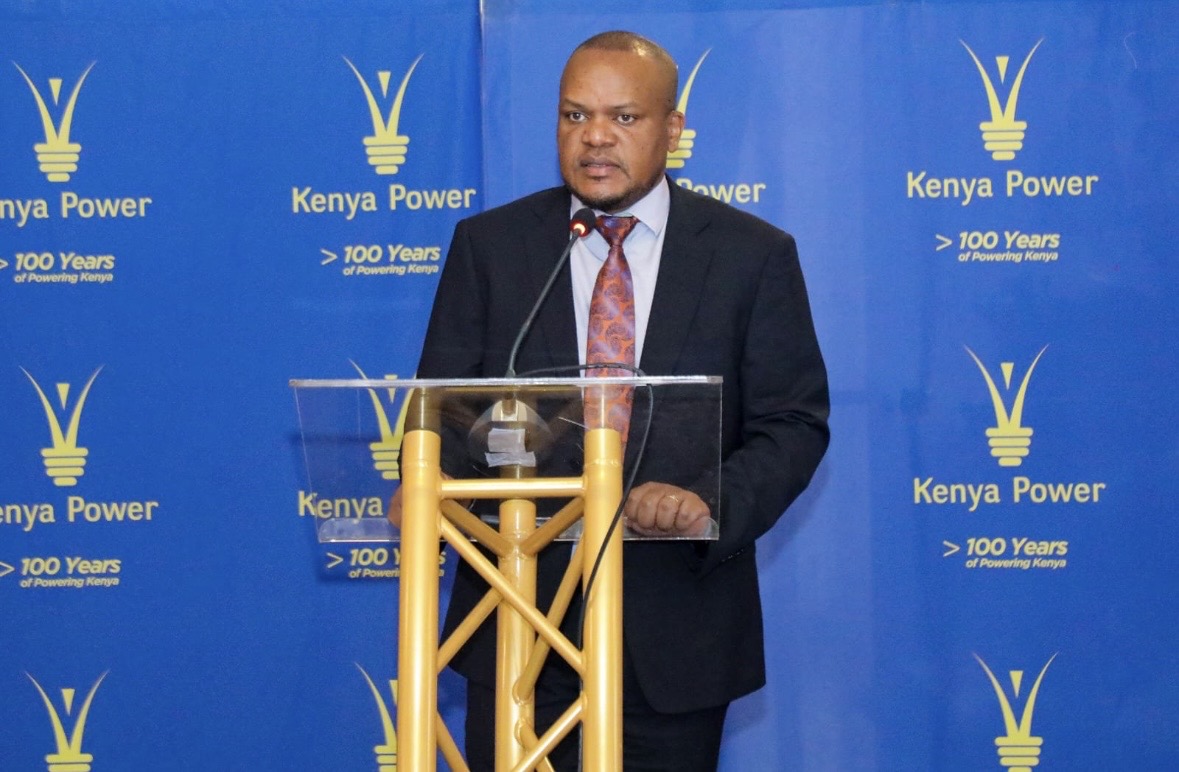
Chief Financial Officer Stephen Vikiru attributed the growth to lower financing costs and increased power exports, which supported the company’s overall financial performance.
The company also reported progress in reducing its debt burden, with borrowings declining by 8.9 per cent to Sh79.82 billion. Its gearing ratio improved significantly from 73 per cent to 55 per cent.
Kenya Power’s working capital also returned to positive territory, improving from a deficit of Sh19.21 billion to a surplus of Sh1.90 billion.
The utility said the results reflect ongoing efforts to improve operational efficiency, strengthen financial management and enhance reliability across the electricity network.
Electricity sales grew by 12.05 per cent year-on-year to 12,777 gigawatt-hours (GWh), with consumption rising across all major customer categories.
Domestic consumption recorded the strongest growth, increasing by 18.84 per cent, while commercial and industrial consumption rose by 5.32 per cent.
Kenya Power said the increased demand reflected higher electricity use in homes, businesses and other customer segments.
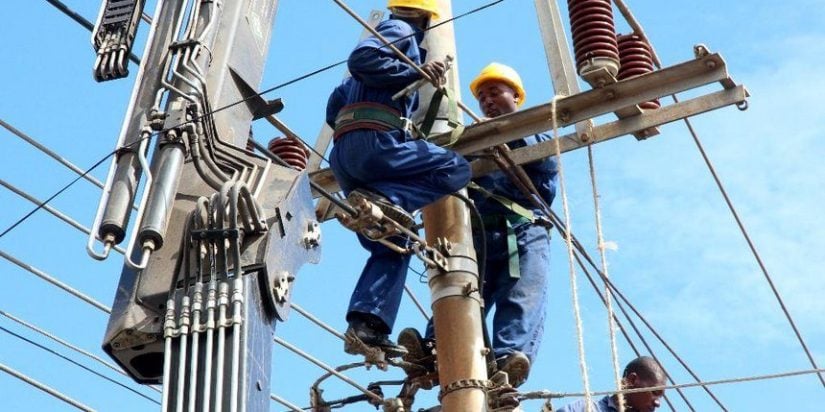
The company also highlighted investments in grid automation, network reinforcement, increased distribution capacity and improved monitoring systems as key measures supporting efficiency and power delivery.
According to the company, system efficiency improved from 78.79 per cent in the 2024/25 financial year to 81.42 per cent in 2025/26.
Kenya Power said it will continue focusing on modernising the electricity network, improving service delivery and building a more efficient, customer-centred utility.