
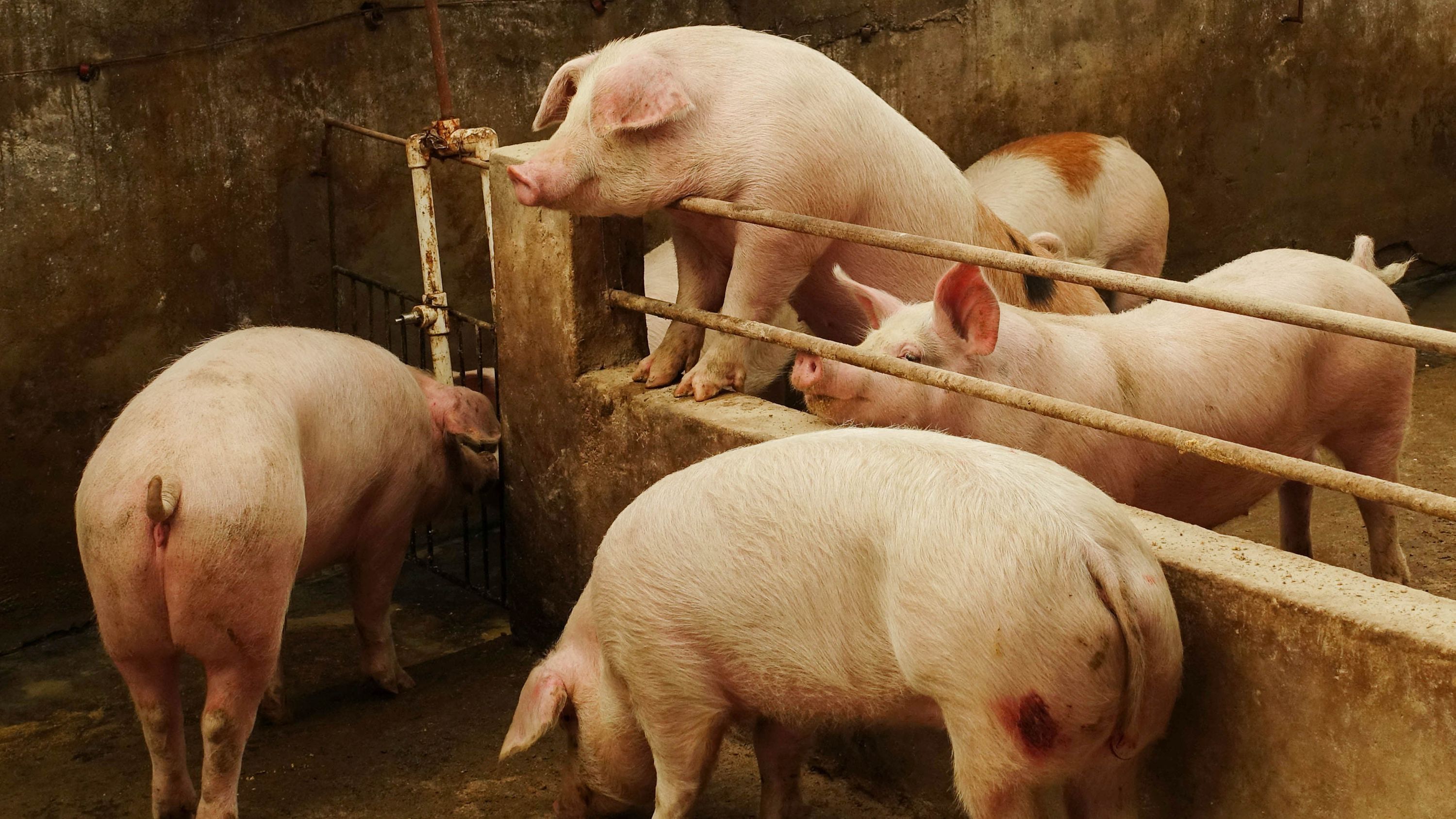
Kenya has intensified measures to contain African Swine Fever (ASF) following outbreaks that have killed about 1,470 pigs on more than 20 farms in Kiambu County since mid-May.
Outbreaks reported in multiple counties
The Department of Veterinary Services says significant outbreaks have also been reported in Tharaka-Nithi, Busia, Embu, Kakamega, Homa Bay and Migori counties, raising concerns over the spread of the highly contagious livestock disease.
In Tharaka-Nithi alone, 108 cases and 97 deaths were recorded between January 5 and 11, 2026, according to an update presented by the Department of Veterinary Services to the Border Control and Operations Coordination Committee (BCOCC).
Government measures to strengthen surveillance
The committee, chaired by Internal Security Principal Secretary Raymond Omollo, was briefed on government measures to strengthen livestock disease surveillance, prevention and response as authorities work to contain the outbreaks.
The government is also addressing risks linked to the movement of livestock and pastoralist communities across international borders, where uncontrolled movement could increase the spread of animal diseases and make outbreak containment more difficult.
Kenya is implementing the Pastoralism and Livestock Adaptation to Climate in Eastern Africa (PLACE) Programme, a €47 million (Ksh.7,050,000,000) initiative funded by the Food and Agriculture Organization (FAO) and the European Union.
Strengthening resilience of pastoralist communities
The programme seeks to strengthen the resilience of pastoralist communities and livestock systems across Eastern Africa while addressing threats linked to animal diseases, climate pressures and cross-border movement.
The country is also implementing the Intergovernmental Authority on Development (IGAD) Protocol on Transhumance, which provides a framework for managing the seasonal movement of pastoralists and livestock across international borders.
The protocol covers three major pastoral clusters: Mandera, Karamoja and Mara-Serengeti.
The Mandera Cluster connects Kenya, Ethiopia and Somalia, while the Karamoja Cluster brings together Kenya, South Sudan, Ethiopia and Uganda. The Mara-Serengeti Cluster links Kenya and Tanzania.
National and sub-national authorities are working with cluster committees representing cross-border communities to facilitate the safe and orderly movement of pastoralists and livestock while strengthening disease prevention and control.
Interventions include vaccination campaigns against Peste des Petits Ruminants (PPR) and Contagious Bovine Pleuropneumonia (CBPP), as well as deworming and pest-control measures.
Authorities are also working to strengthen Foot-and-Mouth Disease (FMD) control in the Karamoja Cluster.
The government says the coordinated approach is intended to protect livestock health and livelihoods while allowing pastoralist communities to maintain traditional seasonal migration routes and economic activities.
The heightened response comes as Kenya seeks to contain African Swine Fever and other transboundary animal diseases that pose a growing threat to livestock farmers, pastoralist communities and the wider agricultural economy.