Kenya's Shakahola case had hundreds of bodies, dozens of witnesses and a clear allegation of a starvation order, yet the first murder conviction came more than three years after exhumations began in April 2023. The delay is not only a story of a slow court. It reflects how evidence in mass cases must be recovered, identified, tested and linked to each accused person before a verdict can stand.
The physical evidence took months to gather. It took weeks to exhume more than 400 bodies at the community Mackenzie set up in a forest. Identifying those bodies required matching them with families, and in a related probe in Mombasa, investigators sought DNA samples from the relatives of people who died so that exhumed remains could be matched. Each identification is slow work, and each one has to hold up under cross-examination.
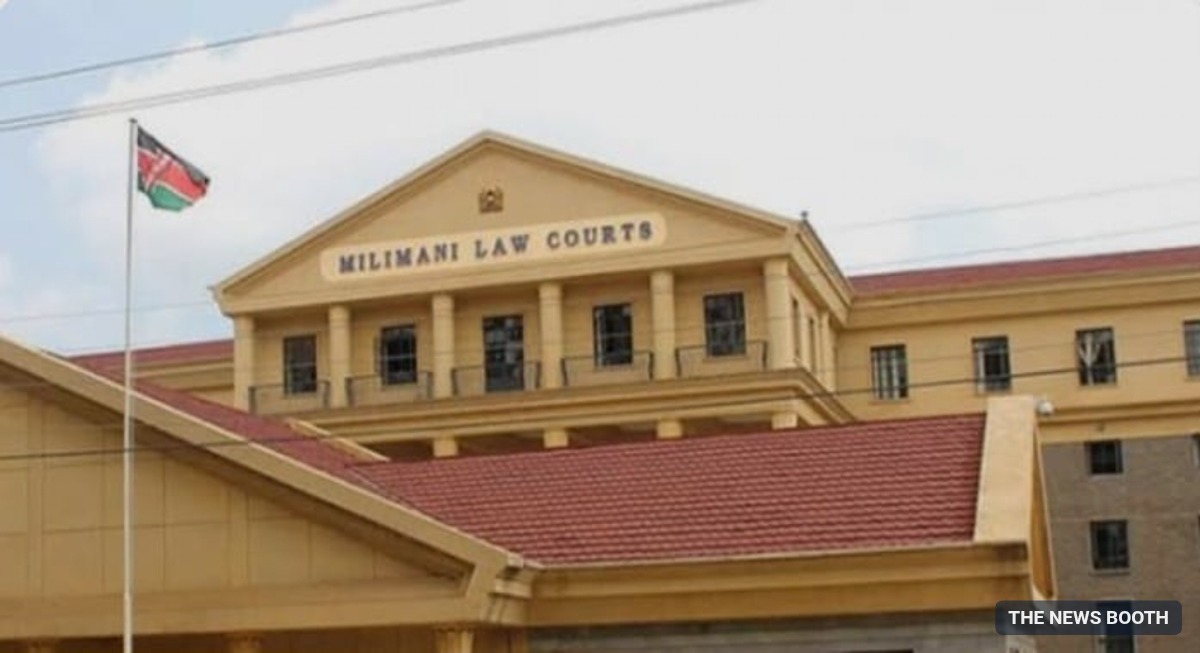
Pre-trial steps added further time. In January 2024, a court in the coastal town of Malindi ordered Mackenzie and 30 associates to undergo mental health evaluations before being charged with murder and the pleas were delayed for about two weeks. Mental fitness questions must be settled before a trial can proceed, so every accused person's readiness becomes a step in the timetable.
The case was also spread across several courts. In January 2024, Mackenzie was charged with terrorism-related offences along with 94 others in one court, while the murder charges were heard separately in Malindi and the children's case was filed under case number E006 of 2024 in the Tononoka Children's Court. Parallel proceedings mean witnesses, lawyers and judges must be coordinated across different files and each adjournment in one can slow the others.
Proof is the heaviest part of the process. The Mombasa children's court held that the prosecution had to prove each accused person's responsibility beyond reasonable doubt, warning that the scale and notoriety of the Shakahola tragedy could not substitute for individual proof of guilt. The court heard 76 witnesses, 11 accused testified and three expert witnesses were called, which is a long trial by any standard.
Attrition also stretched the timeline. Two accused died before judgment and charges against a seventh accused were withdrawn under a plea agreement in April 2026. Each change meant the court had to re-examine evidence and reassign responsibility, and the proceedings took longer as a result.
The Shakahola pattern is not new. Mackenzie was arrested in 2019 over the deaths of children, but was released on bond and his earlier 2021 acquittal in one case, with the other dropped, showed how fragile early prosecutions can be. The state's difficulty in turning early warnings into convictions is part of the reason the case reached court so late.
Some of the delay reflects general features of Kenya's justice system, such as adjournments, the time needed for defence applications and the appeals that follow any conviction.
The next steps will show whether the system can move faster. The 12 convicted accused in the children's case will be heard in mitigation and parties have 14 days to appeal to the High Court.