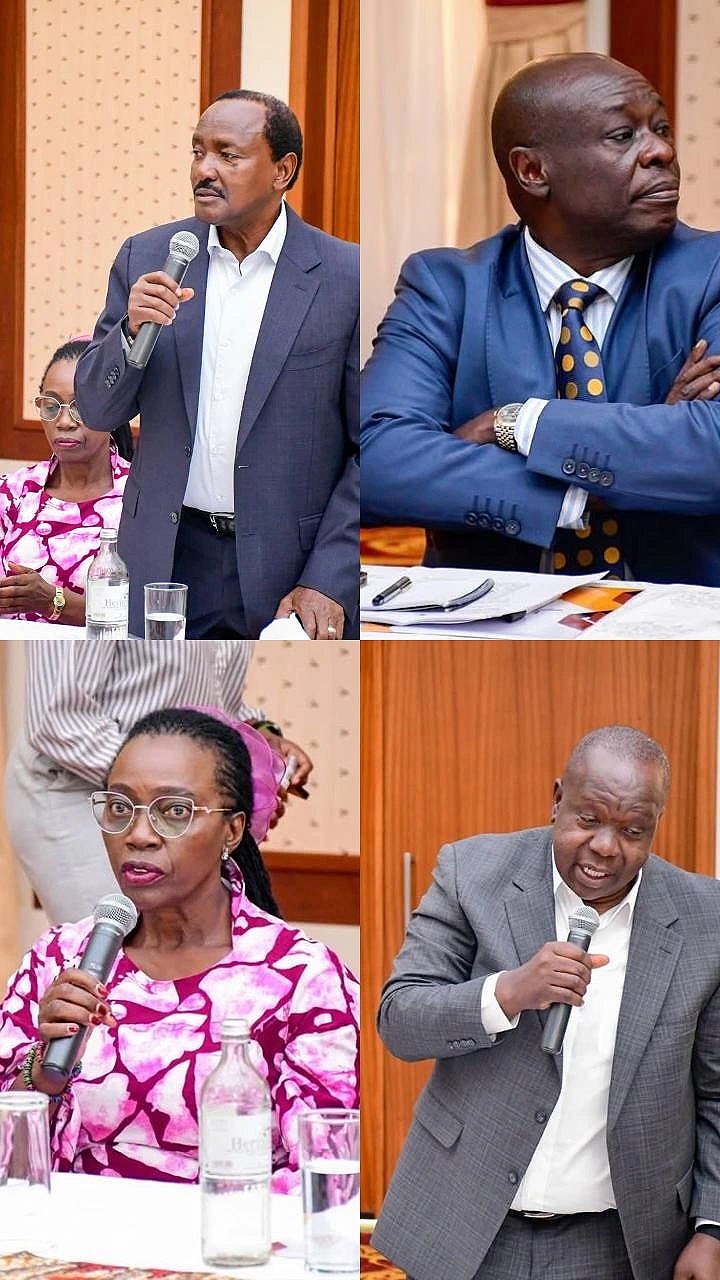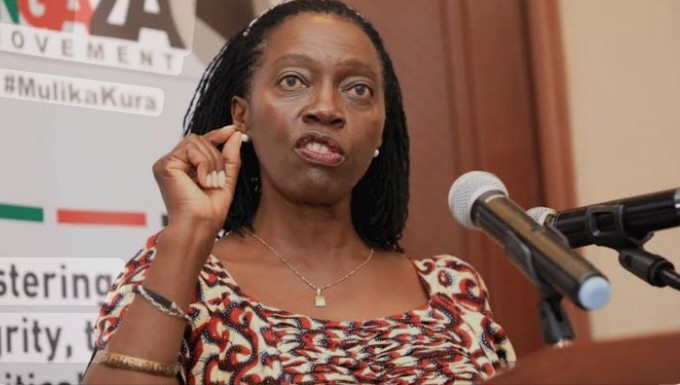
People’s Liberation Party leader Martha Karua has questioned the continued borrowing by the government, raising concerns over the growing national debt amid challenges facing essential public services.
In a statement, Karua pointed to the difficulties experienced by hospitals, teachers and university students, questioning how the money borrowed by the government is being spent.
“There seems to be no shortage of appetite for borrowing. Yet hospitals lack medicines, teachers await their dues, and university students struggle to finance their education,” she said.
Karua further questioned the purpose of the loans, asking: “So what exactly is this borrowed money funding?”
Her remarks come amid growing attention to Kenya’s rising public debt, which has crossed the KSh13 trillion mark under President William Ruto’s administration.
According to the National Treasury’s latest figures for September 2026, Kenya’s public and publicly guaranteed debt stood at approximately KSh13.53 trillion, compared with KSh12.05 trillion recorded in September 2025.
The September figure comprised KSh7.78 trillion in domestic debt and KSh5.75 trillion in external obligations. The Treasury attributed the increase largely to domestic borrowing used to finance the government’s fiscal deficit.
The figures have renewed debate over the country's borrowing levels, the cost of servicing loans and whether public spending is translating into improvements in services relied upon by ordinary Kenyans.
Debt servicing has also continued to take up a substantial share of government resources. Treasury figures show that Kenya spent KSh1.72 trillion on principal and interest payments during the 2024/25 financial year, placing pressure on funds available for other government priorities.
Karua’s comments raise questions about the balance between borrowing to finance development and ensuring that essential services receive adequate funding.
The government has previously defended borrowing as necessary to finance infrastructure, support economic activity and meet budgetary obligations. However, the rising debt stock has continued to attract scrutiny from opposition leaders and economic commentators.
Karua’s remarks have therefore brought the debate back to a central public finance question: how much Kenya is borrowing, what the loans are financing and whether citizens are seeing meaningful benefits from the money being accumulated in the country’s name.