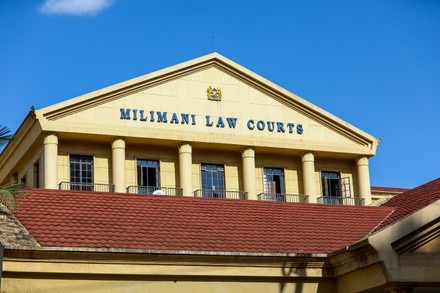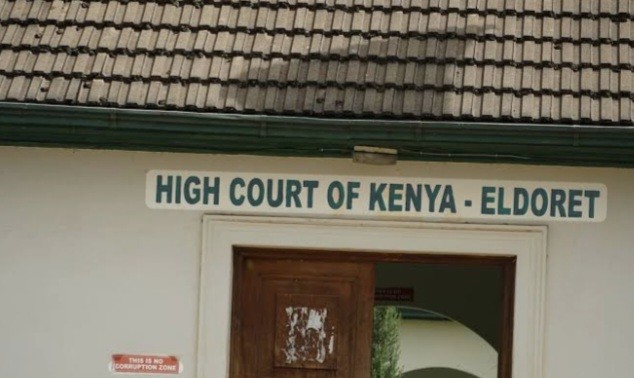
The High Court in Kajiado has declared the personal branding of taxpayer-funded projects a violation of Kenya’s constitutional principles of governance and ordered the removal of personal name branding from public projects in Kajiado North.
The ruling followed a petition filed by Shadrack Wambui through Sheria Mtaani against Kajiado North Member of Parliament Onesmus Nguro Ngogoyo over allegations that public infrastructure had been branded with the legislator’s image, name and political slogans.
In the petition, Wambui accused the MP of using public infrastructure, including roads, schools and dispensaries, as personal political billboards, arguing that the practice undermined public accountability and electoral integrity.
The petitioner further argued that branding publicly funded developments with an individual politician’s identity violated constitutional principles governing the management and use of public resources.
According to the petition, some of the projects bearing the disputed branding had allegedly been initiated before Ngogoyo assumed office, raising questions about the attribution of publicly funded developments to individual political leaders.
However, the court was not satisfied that the petitioner had proved that Ngogoyo personally authorised the placement of the disputed signage or permitted it through his agents or servants.
“I am not satisfied that the petitioner has discharged the burden of proof that he, whether by himself or through his agents or servants, allowed the signage to be put on taxpayer-funded projects,” the court stated.
The court’s finding means the constitutional question surrounding personal branding of public projects was distinct from the specific allegation that the legislator authorised the signage.
While the court declared the practice a violation of constitutional governance principles, it did not find that the petitioner had established Ngogoyo’s responsibility for the disputed branding.
The removal order targets personal name branding on publicly funded projects in Kajiado North, reinforcing the distinction between public infrastructure and the personal political identity of elected leaders.
The case raises questions about how publicly funded developments are identified and credited, particularly where projects are financed through public resources and implemented for the benefit of local communities.
The ruling also highlights the importance of accountability in the presentation of public projects, with the court addressing the practice of attaching individual politicians’ identities to infrastructure financed using taxpayers’ money.
The court’s declaration and removal order are separate from the question of who authorised the disputed signage, an allegation the petitioner was unable to prove against Ngogoyo.