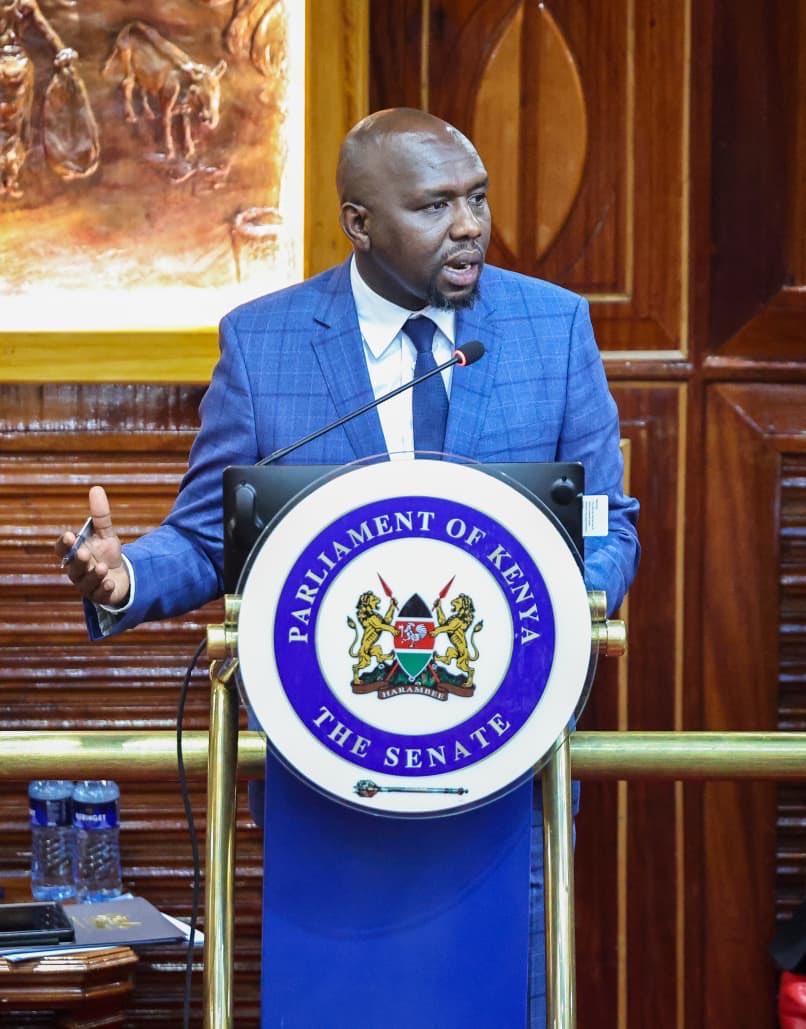

The High Court has declined to stop the United States International University-Africa (USIU-Africa) graduation ceremony scheduled for September 26, 2026, following a petition by Deputy Inspector General of Police Gilbert Masengeli over his exclusion from the graduation list.
Lady Justice Patricia Mande dismissed Masengeli’s application seeking conservatory orders to halt the ceremony and, in the alternative, an order compelling the university to include his name among the graduates.
Justice Mande held that stopping the graduation would adversely affect other students who were not parties to the case.
The court also found that Masengeli had not demonstrated that USIU-Africa or his supervisor had specifically promised that he would graduate with the September 26 cohort.
The judge considered emails submitted in support of the application but found that they did not contain a specific commitment that Masengeli would be included in the forthcoming graduation.
“Being that the first relief sought adversely affects other students not party to the suit, the prayer for conservatory orders stopping the graduation scheduled for the 26th of September 2026 is hereby declined,” the court ruled.
On the alternative prayer seeking his inclusion in the graduation list, the court similarly found that there was no established promise that Masengeli would graduate with the September cohort.
“Ultimately, the application dated 8th September is dismissed, costs thereof to abide the outcome of the main petition,” Justice Mande ruled.
Masengeli, represented by Senior Counsel Cecil Miller and lawyer Danstan Omari, had argued that he had fulfilled the requirements communicated to him and should therefore have been included in the graduation list.
The dispute stems from Masengeli’s PhD programme in International Relations, which he began in September 2021.
According to his case, Masengeli completed his coursework and examinations before proceeding to the dissertation stage. He defended his dissertation proposal in December 2025, obtained the required approvals and subsequently submitted his dissertation for examination.
His lawyers argued that the dispute relates to the university’s administrative process and not the academic merits of his dissertation.
USIU-Africa opposed the application, arguing that Masengeli had not demonstrated that he had satisfied all mandatory graduation requirements or made the necessary application to graduate.
The university maintained that it could support Masengeli in completing the graduation process if he fulfilled any outstanding requirements, but said he could not be included in the September cohort without meeting the programme’s conditions.
Following dismissal of the application, the court issued directions to fast-track the hearing of the main petition.
USIU-Africa was granted seven days to file and serve a supplementary replying affidavit to the petition, while Masengeli was given five days to file and serve a further affidavit and written submissions.
The university was also granted seven days to file and serve its written submissions. Masengeli was allowed to file supplementary submissions within three days of being served with the university’s submissions.
The case will return to court on October 21, 2026, to confirm compliance with the directions and for further directions on the highlighting of submissions.