
The High Court has declared parts of Kenya’s Public-Private Partnerships (PPP) law unconstitutional, ruling that Parliament must approve projects that create financial obligations for the national government.
However, the court has suspended the effect of the declaration for six months, giving Parliament time to amend the law.
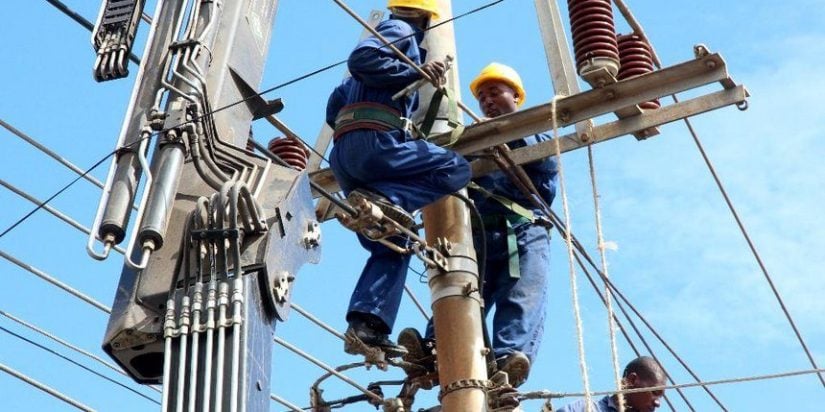
The case followed a challenge to privately initiated proposals involving the GKIA and KETRACO projects. Although both projects had been cancelled by the time the petition was heard, the court said their cancellation did not resolve the broader constitutional questions raised.
The court examined whether the existing PPP framework provides adequate parliamentary oversight over projects that could expose taxpayers to financial obligations.
It held that the government cannot rely on a PPP arrangement to bypass parliamentary approval where a project involves public expenditure, government guarantees, borrowing or other liabilities.
The court declared Sections 59, 60 and 72 of the PPP Act unconstitutional to the extent that they fail to provide for parliamentary approval in such circumstances.
The ruling does not require Parliament to approve every PPP project. Instead, approval is required where a project creates a financial obligation for the national government.
The petitioners had also challenged provisions governing privately initiated PPP projects, arguing they could allow agencies to bypass competitive procurement.
The court rejected that challenge, but stressed that such projects must still comply with constitutional requirements on transparency, competition and value for money.
The court has given Parliament six months to amend the law before the declaration takes effect.
The matter will return to court on May 11 to assess compliance and receive further directions.