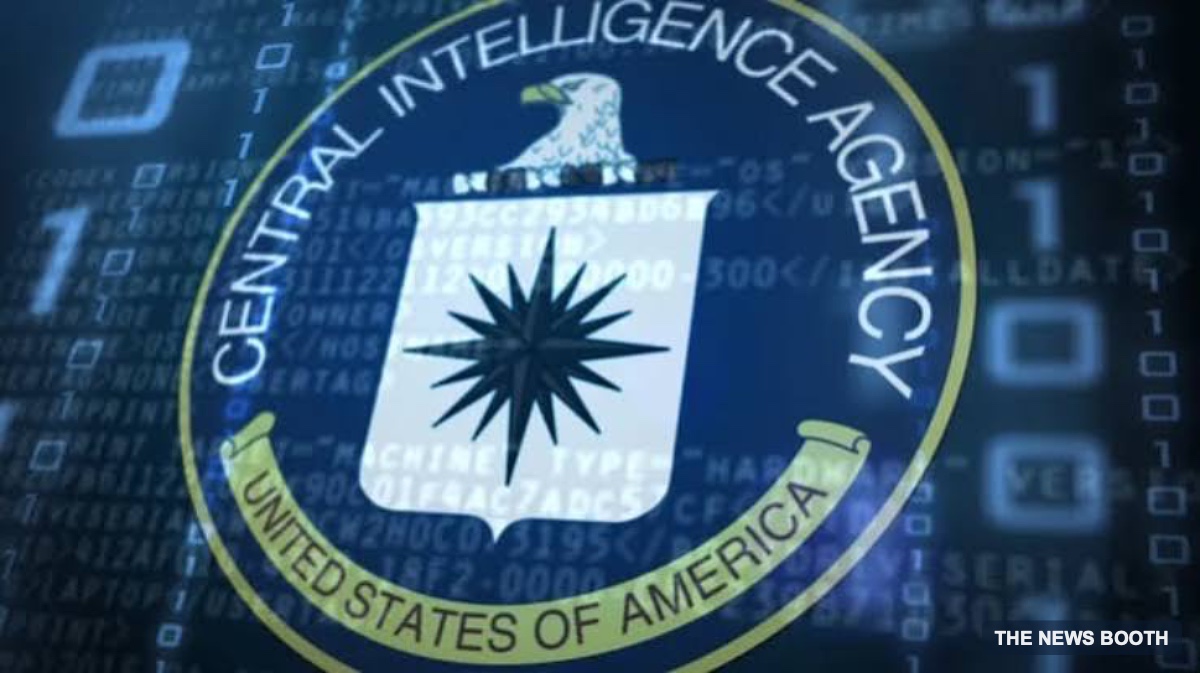
Hackers breached an unclassified computer system used by the Central Intelligence Agency (CIA) to collect and analyse open-source intelligence, according to reports published on November 24, 2026. The intrusion, which also affected systems linked to other US intelligence agencies, did not expose classified information, officials and people familiar with the incident said.
The affected system supports open-source intelligence, commonly known as OSINT, which involves gathering and examining information from publicly available sources such as websites, social media, news reports, commercial satellite imagery and private databases.
Although the information is not classified, intelligence agencies use it to monitor foreign governments, military activity and other developments. Analysts can also combine publicly available material with classified intelligence to build a more comprehensive picture of security threats.
The Associated Press reported that the CIA breach had been resolved, although it was not immediately clear what information, if any, hackers accessed or who was responsible. The source who confirmed the incident spoke anonymously because they were not authorised to discuss it publicly.
Further reporting by the Washington Post and Nextgov/FCW indicated that the Office of the Director of National Intelligence (ODNI) was also affected. The Washington Post reported that the National Geospatial-Intelligence Agency had experienced a concurrent intrusion.
An ODNI official told the Washington Post that there had been no disruption to critical capabilities or classified systems. The CIA declined to comment on the incident, while ODNI did not respond to a request for comment from Nextgov/FCW.
Cybersecurity experts have cautioned that an intrusion into an unclassified intelligence system can still expose sensitive information about how intelligence agencies operate. Access to analysts' searches and research priorities could give hostile actors insight into the subjects US agencies are monitoring, even without access to classified files.
The breach comes amid a series of cybersecurity incidents and technology disruptions affecting US government institutions. These include an apparent intrusion into the FBI's National Crime Information Center and a separate outage affecting the National Security Agency's classified communications network.
US officials have said the recent disruptions do not indicate a coordinated cyberattack. Director of National Intelligence Jay Clayton has attributed several technology failures to rushed software updates and maintenance, amid growing cybersecurity threats.
The identity of the attackers, the method used to access the intelligence system and the extent of any data exposure remain unclear. The incident is likely to draw further scrutiny over the security of systems that intelligence agencies rely on to process information from the wider internet.