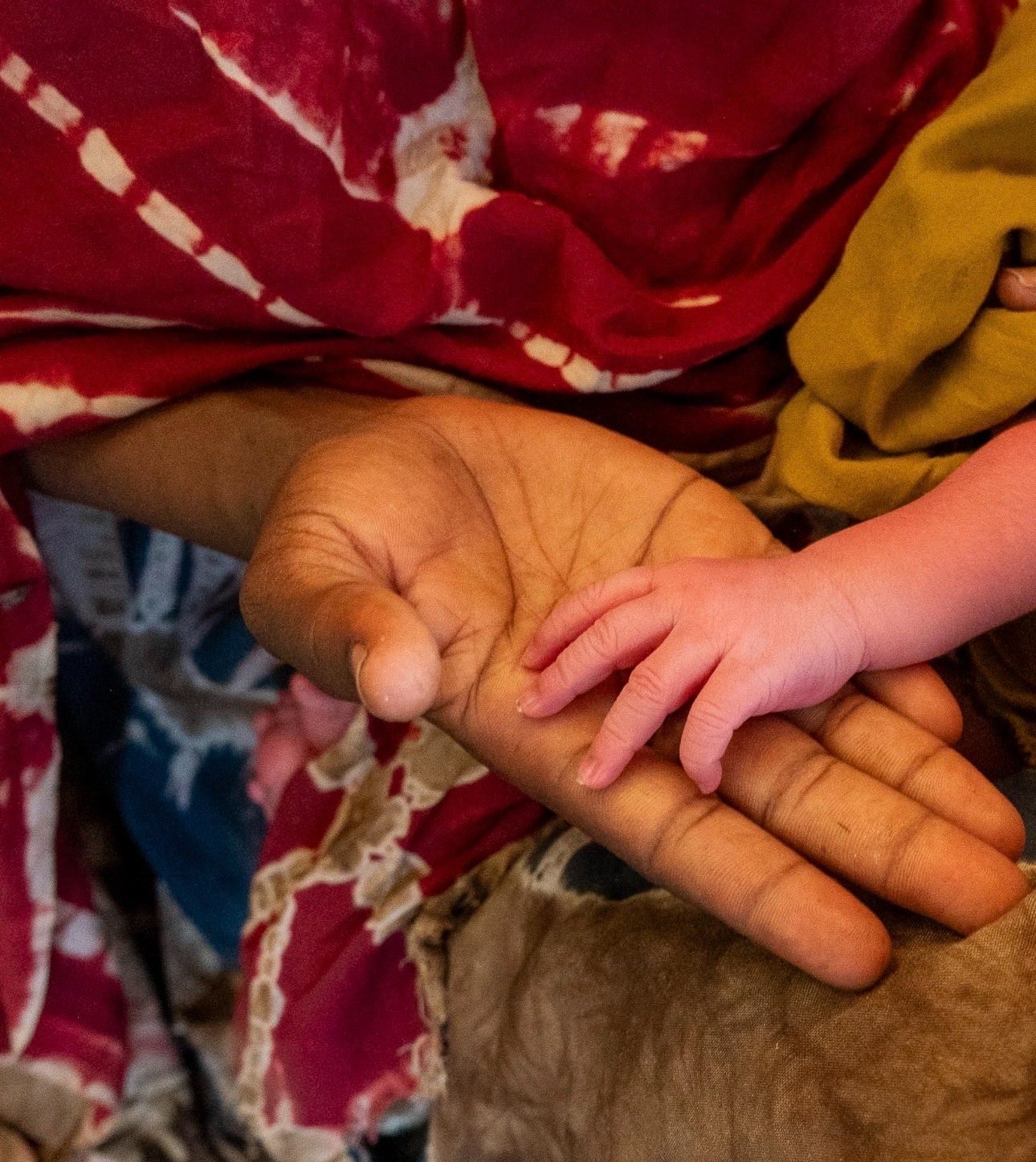
The Kenya Red Cross has welcomed the first baby born amid the growing displacement crisis in Moyale, as the number of people fleeing violence in neighbouring Ethiopia into Kenya rises to more than 36,000.
The humanitarian organisation said the mother was safely referred to hospital by its response team, where she delivered successfully. Both the mother and newborn are reported to be in good health.
The birth comes as humanitarian agencies intensify efforts to provide emergency assistance to thousands of people who have crossed into Kenya to escape fighting in Ethiopia's border region.
The Kenya Red Cross said displaced families were currently spread across six camps and surrounding host communities, with women and children accounting for a significant proportion of those seeking refuge.
Beyond emergency medical referrals, its teams are conducting malnutrition screenings targeting children and mothers while providing nutritional support and breastfeeding care to new mothers.
The organisation said it had also stepped up food distribution, with additional supplies reaching displacement camps.
Red Cross volunteers are helping prepare and serve hot meals daily, alongside the provision of healthcare services and essential household items.
"Our support to displaced families in Moyale continues, with more than 36,000 people now displaced across six camps and host communities," the organisation said, reaffirming its commitment to working with the Marsabit County Government and humanitarian partners to reach vulnerable families.
The United Nations on Tuesday confirmed that the number of people fleeing Ethiopia into neighbouring Kenya had reached approximately 36,000, as fighting near the border town of Moyale continued to force civilians from their homes.
The UN refugee agency said it was on the ground working alongside other humanitarian organisations and local partners to support the national and county-level emergency response.
The displacement has placed additional pressure on host communities in Marsabit County, with local leaders warning that the sudden influx could overwhelm available resources and essential services.
They have appealed for increased humanitarian assistance to support both displaced families and the communities hosting them.
The Kenya National Commission on Human Rights (KNCHR) has also called for an urgent humanitarian response to protect those forced to flee their homes and ease the growing pressure on host communities.
The violence on the Ethiopian side of the border is linked to a territorial dispute between the Oromia and Somali regional administrations, with tensions reportedly aggravated by the killing of a 13-year-old girl in an area administered by the Somali regional government.
The conflict has disrupted livelihoods and forced families, many travelling with young children and limited belongings, to seek safety across the border in Kenya.
Humanitarian agencies are now racing to provide food, shelter, healthcare, clean water and other essential services as the number of displaced people continues to rise.
The Kenya Red Cross says it will maintain its response in coordination with the Marsabit County Government and other partners, with particular attention to vulnerable groups, including pregnant women, nursing mothers, children and older people.
The organisation has emphasised the need for sustained support as displaced families face uncertain prospects of returning home while insecurity persists across the border.