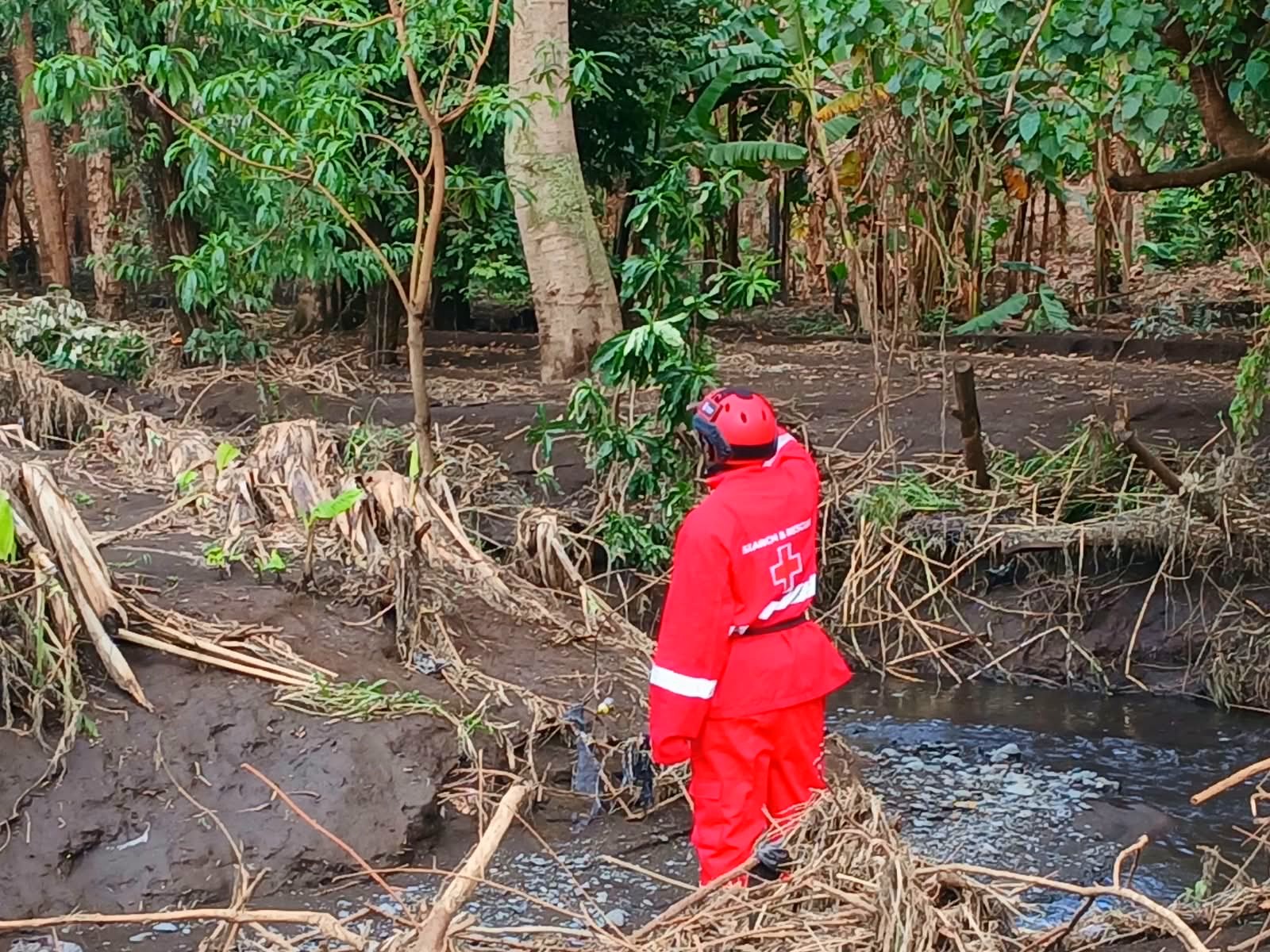
The number of people reported missing following the collapse of a building in Eastleigh, Nairobi, has dropped to 11 after four individuals who had initially been presumed missing were traced and reunited with their families.
The Kenya Red Cross Society says the four were accounted for following efforts to verify the identities of those reported missing and establish the whereabouts of people who may have been affected by the incident.
The humanitarian organisation further clarified that one of the four cases involved duplicate reporting, after different family members separately provided details of the same individual, resulting in the person being listed twice among those unaccounted for.
The latest development has provided some relief to families who have been anxiously waiting for information about their missing relatives as rescue teams continue searching through the rubble.
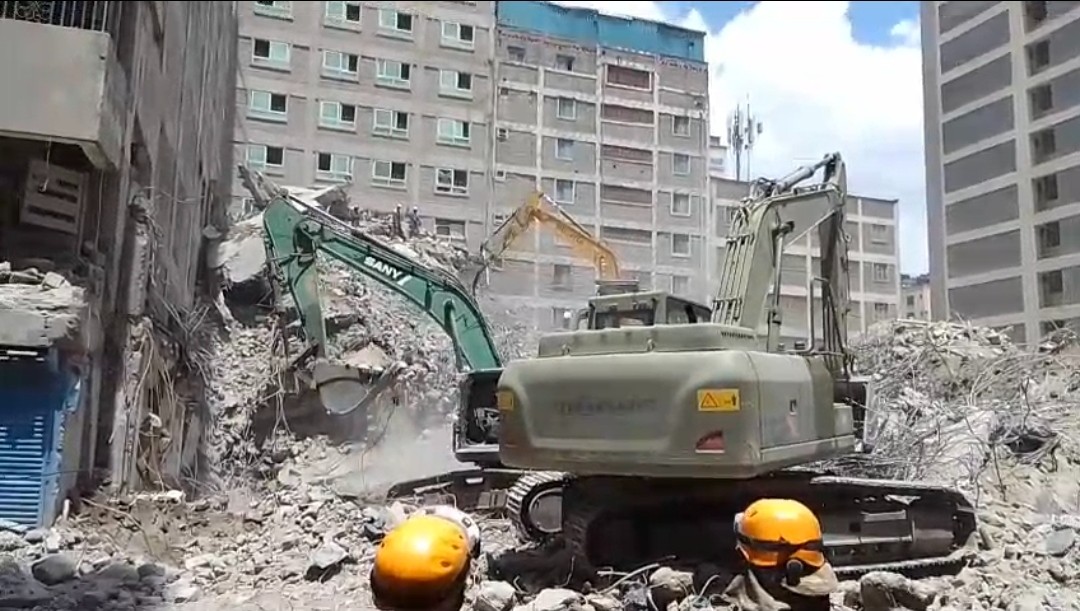
Meanwhile, the search and rescue operation has received a boost following the deployment of two additional excavators to the scene to accelerate the clearance of debris.
The additional machinery is expected to strengthen ongoing efforts by emergency response teams to access sections of the collapsed structure and establish whether anyone remains trapped beneath the rubble.
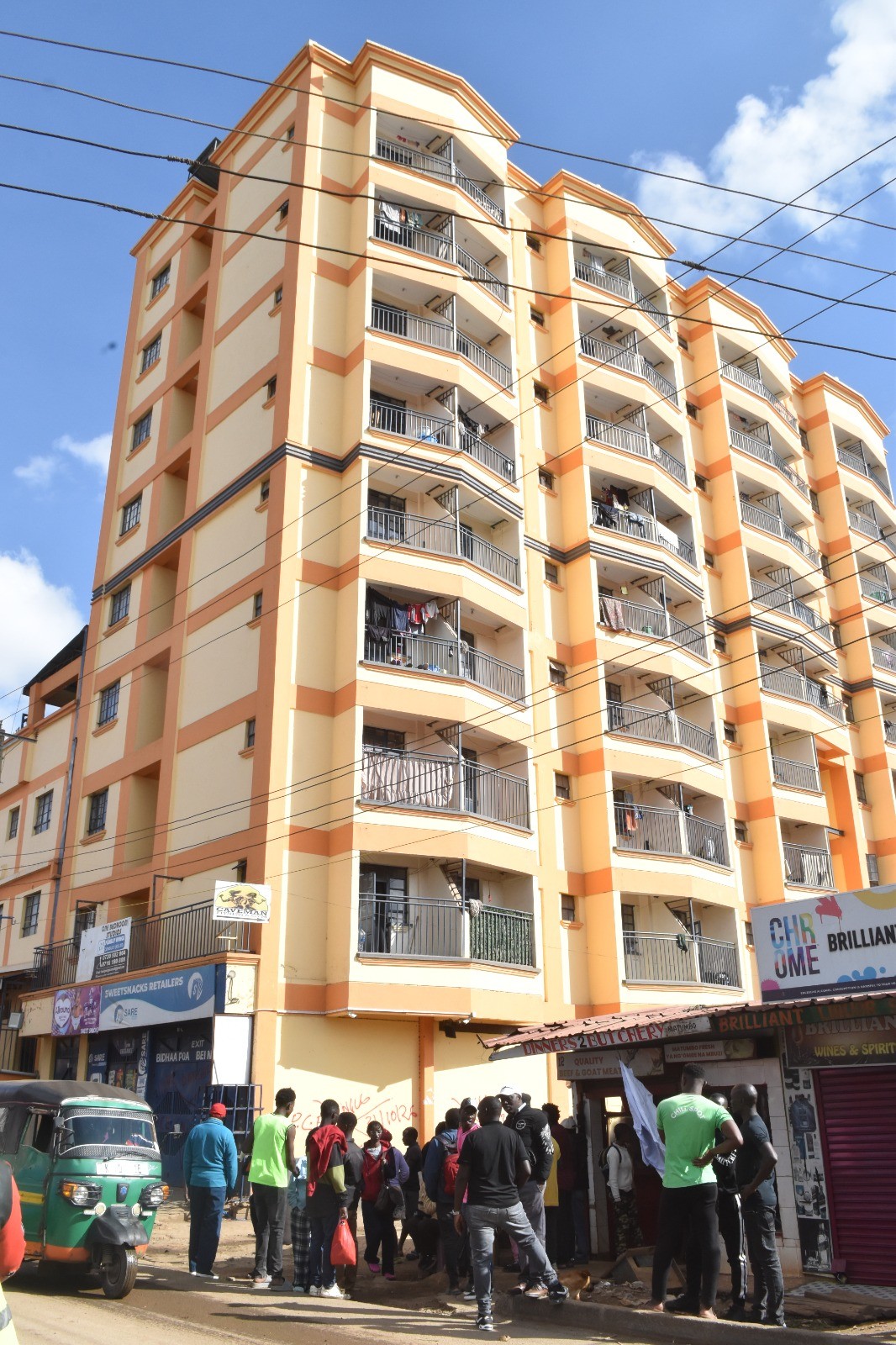
The Eastleigh building, which was still under construction, collapsed on Friday, October 23, along 9th Street, triggering a major multi-agency search and rescue operation involving the National Disaster Management Unit, Kenya Defence Forces, National Police Service, Nairobi County Government and the Kenya Red Cross.
The incident initially left 52 people reported missing after families and relatives raised concerns that their loved ones could have been inside the building when it came down.
Two people, a man and a woman, were rescued alive from the rubble on the second day of the operation, raising hopes that more survivors could be found.
However, rescue teams have encountered significant challenges, including the complex nature of the collapse, restricted access to the site and the presence of underground water and sewer infrastructure.
The confined nature of the site has also limited the number of directions from which rescuers can approach the debris, slowing efforts to reach some of the affected sections.
Specialised acoustic life-detection equipment was previously deployed at the scene and detected what rescuers described as possible signs of life beneath the rubble, although accessing the areas identified by the equipment remained a challenge.
The operation has also involved phone-location tracking and collaboration between the Kenya Red Cross and the Directorate of Criminal Investigations to establish the whereabouts of those reported missing.
The collapse has raised questions about compliance with building regulations after Nairobi Governor Johnson Sakaja revealed that county records showed an application for a proposed building exceeding 15 floors had been submitted but was never approved.
Investigations are expected to establish the circumstances that led to the collapse and determine whether construction standards and approval procedures were followed.
For now, rescue teams remain at the scene, with the latest deployment of two additional excavators expected to accelerate the search and debris clearance as families continue to await news of their loved ones.