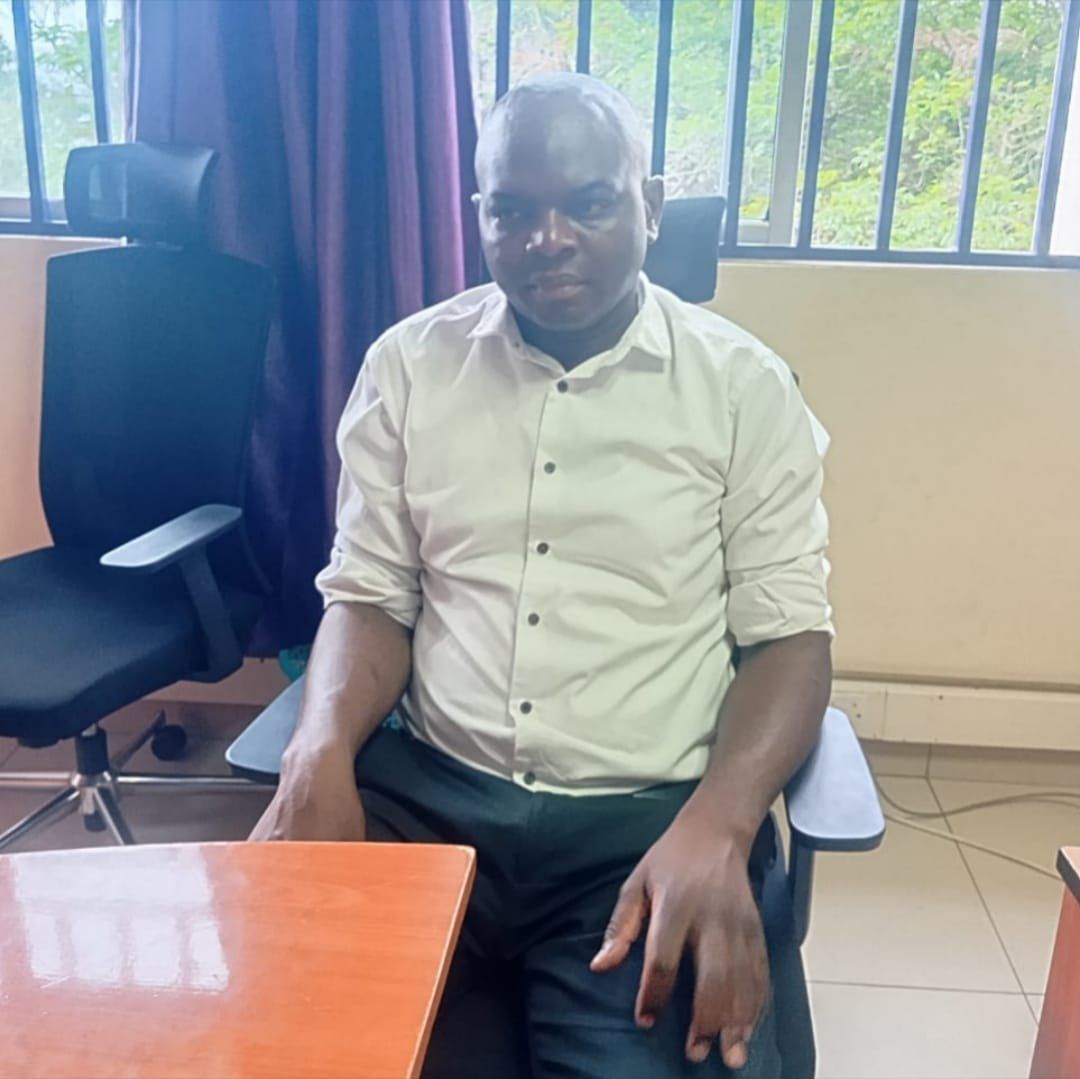
The Ethics and Anti-Corruption Commission (EACC) has made a significant move in the fight against corruption by arresting a Kenya Revenue Authority (KRA) official. This action comes amid ongoing efforts to maintain integrity within public service institutions. The official, identified as Hughes Obilo, is accused of soliciting and receiving a bribe to facilitate the irregular clearance of tax arrears and the issuance of a Tax Compliance Certificate, which is crucial for businesses operating in Kenya.
Details of the arrest
Hughes Obilo is an officer attached to the Debt Refunds Department in Kisumu, a position that grants him access to sensitive financial information and the authority to influence tax matters for various companies. According to the allegations, Obilo demanded KSh100,000 from a construction company. In exchange for this bribe, he promised to facilitate the removal of outstanding tax arrears that amounted to KSh4.5 million from the iTax system, which is the online platform used by KRA for tax management.
EACC's investigation process
The EACC's investigation began after receiving tips regarding the corrupt practices within the KRA, particularly in the Kisumu region. Following preliminary investigations, the commission launched an operation that culminated in the arrest of Obilo. He was apprehended while allegedly receiving KSh30,000 as part of the bribe. This operation underscores the EACC's commitment to tackling corruption head-on, especially in government agencies that play a pivotal role in revenue collection and fiscal management.
Obilo was arrested in Kisumu on September 14, 2026, and subsequently booked at Kisumu Central Police Station for processing and statement recording. His arrest not only highlights the ongoing issues of corruption within the KRA but also serves as a reminder of the challenges faced by the EACC in its mandate to uphold ethical standards in public service.
Call to action from EACC
The EACC has urged the public to report any instances of corruption they encounter, emphasizing that such actions undermine the integrity of public institutions and the overall economic stability of the country. The commission's efforts are part of a broader strategy to enhance transparency and accountability in government operations, particularly in tax administration, which is vital for the country's development and service delivery.
As the investigation continues, the EACC is expected to gather more evidence and possibly identify other individuals involved in similar corrupt practices. The outcome of this case could have significant implications for the KRA and its operations, as it seeks to restore public trust and confidence in its ability to manage tax affairs without corruption.