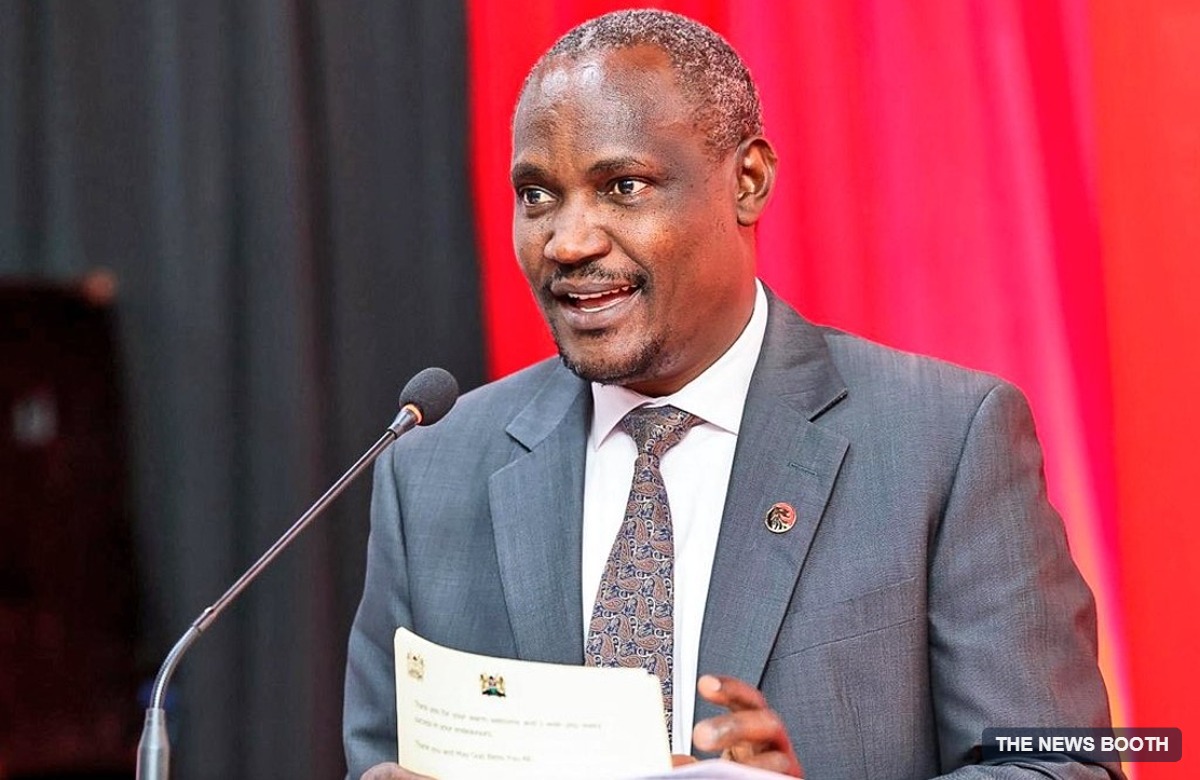
Public Service Cabinet Secretary Geoffrey Ruku has given more than 200 government institutions until December 20, 2026, to onboard onto the Human Resource Information System (HRIS), warning that non-compliant chief executive officers could face disciplinary action and public exposure.
Ruku said the government would publish a list of institutions that fail to meet the deadline, together with the names of their chief executives, before Christmas. He described the proposed publication as a “List of Shame”, insisting that the deadline was final.
The Cabinet Secretary issued the directive on Wednesday, November 25, during a public service meeting at the Kenya School of Government in Lower Kabete, Nairobi, where government officials were discussing reforms and preparations for the proposed expansion of the national internship programme.
The ultimatum follows an earlier Cabinet directive requiring government institutions to integrate their human resource operations into the centralised platform. Ruku said about 200 agencies, including public institutions, were yet to comply despite repeated instructions and government circulars.
The system is intended to provide a more accurate record of the public service workforce, improve payroll oversight and help identify irregular payments. Its adoption is part of a wider government effort to eliminate ghost workers, duplicate salaries and unauthorised changes to employee records.
Ruku said payroll scrutiny had revealed cases in which some public servants were allegedly receiving salaries from more than one government institution. He also cited suspected manipulation of human resource systems, including promotions and salary adjustments made without the necessary approvals.
The Cabinet Secretary said some institutions had altered employee remuneration through internal payroll systems despite lacking approval from the Public Service Commission (PSC). Salary structures are also subject to verification by the Salaries and Remuneration Commission (SRC).
The concerns come amid an ongoing investigation into suspected payroll fraud estimated at KSh6.2 billion. In October, Ruku ordered 84 human resource officers from the Kenya Prisons Service, Kenya Police Service and departments within the Ministry of Health to step aside for 30 working days as investigations continued.
The government’s wider payroll reform programme was approved by Cabinet in June following an audit that identified suspected irregularities in a sample of 12 State Departments. The findings included unauthorised payroll alterations, irregular payments and weaknesses in the management of public funds.
Ruku urged human resource managers, system administrators and other public officers to support the reforms, warning that those found responsible for manipulating payroll records would be held accountable.
He also challenged chief executives to ensure their institutions deliver value for public money, saying the government would assess their performance against its development agenda.
“Most of you CEOs are on permanent employment, but I and the President must ensure Kenyans get value for their money for them to renew our contract in August 2027,” Ruku said.
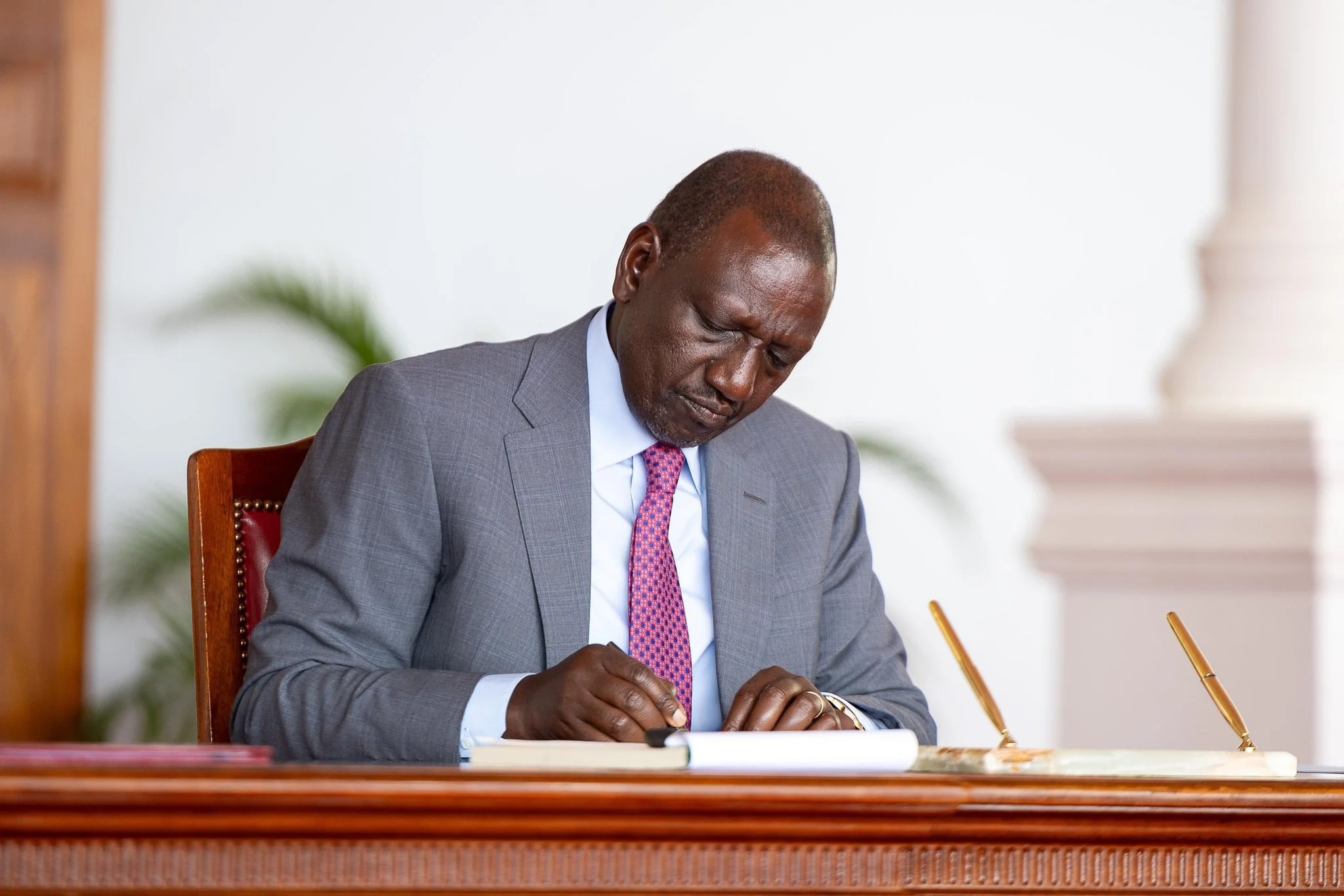
The meeting also addressed plans to expand the National Internship Programme to 50,000 placements by January 2027, following a directive by President William Ruto. The initiative is intended to provide graduates with workplace experience while strengthening staffing capacity in public institutions.
The Public Service Commission has advertised internship opportunities for the 2026/2027 financial year, with applications closing on December 14, 2026. The programme provides for 12-month placements in government ministries, departments, agencies and other public bodies.
Ruku maintained that institutions must comply with the HRIS directive by December 20, warning that failure to do so would expose their leadership to scrutiny as the government intensifies efforts to improve accountability and protect public resources.