By The News Booth Desk
Email: info.newsbooth@gmail.com
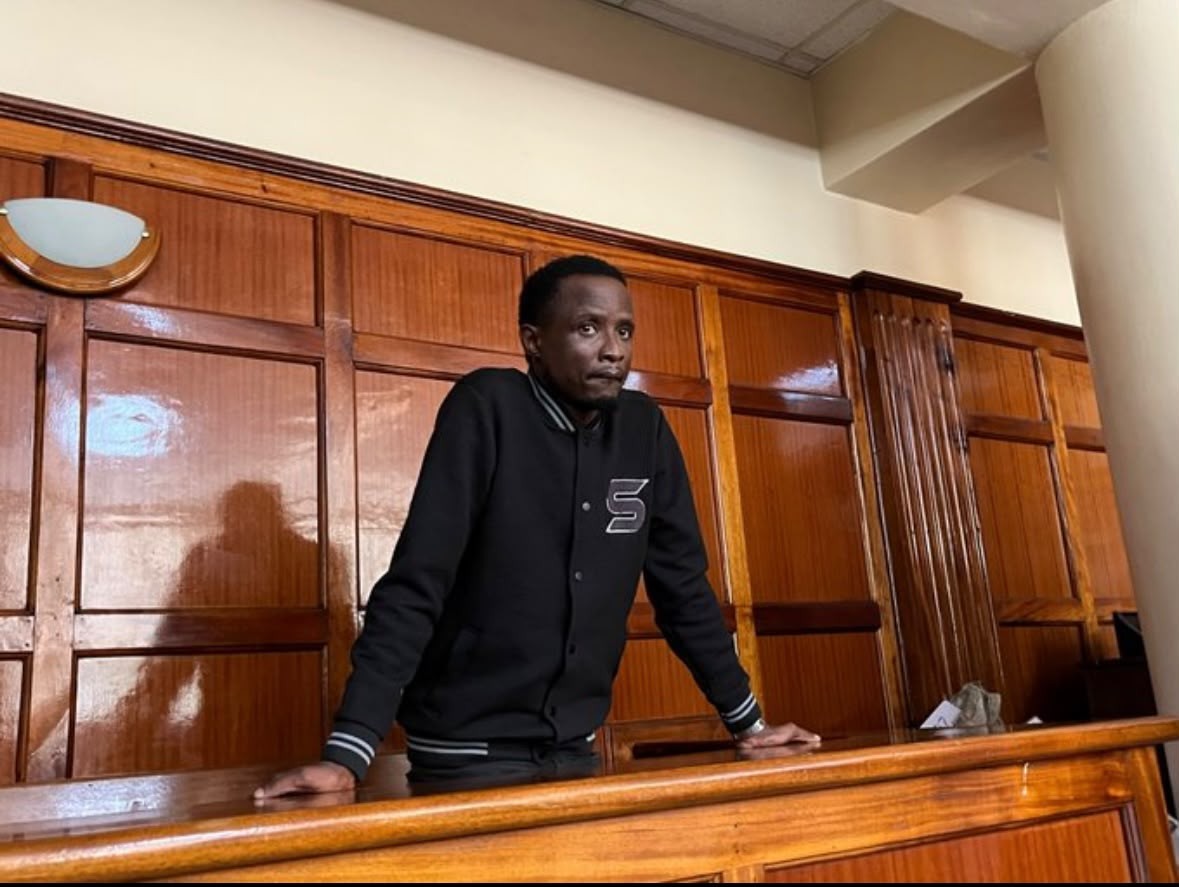
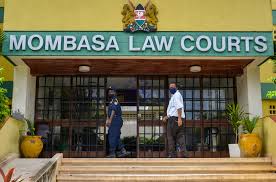
A Mombasa law court has acquitted Trizer Wawuda Mwanyika, a former senior public relations officer at the Mombasa County Assembly, of corruption charges due to insufficient evidence. The verdict was delivered by Mombasa Chief Magistrate Alex Ithuku, who dismissed the case, describing the allegations as baseless and unfounded. Mwanyika had been accused of fraudulently awarding a tender worth Ksh870,000 to Kuri Suppliers, but the prosecution failed to substantiate these claims.
In his judgement, Magistrate Ithuku stated, “The accused person did not participate in all this and the count against the accused is not proved beyond any reasonable doubt. The second accused is hereby acquitted under section 215 of the Penal Code.” This legal provision allows for acquittal when evidence is insufficient to support a conviction.
Mwanyika also faced allegations of issuing two requisitions for the supply of the same goods, which included two MacBook laptops, one convertible printer, and a Nikon camera. However, the prosecution could not prove these allegations beyond a reasonable doubt. Magistrate Ithuku noted that the prosecution confirmed the delivery and receipt of these items by the County Assembly, but did not present evidence for the second requisition. Furthermore, the magistrate clarified that Mwanyika was not involved in the rest of the procurement process.
The judgement, dated 20th June 2024, concludes an eight-year legal battle for Mwanyika, who was previously an editor at Baraka FM in Mombasa before her tenure at the County Assembly. Her case highlights the challenges faced by public relations officers in county governments, many of whom endure prolonged court battles over allegations that often lack substantial evidence. These legal proceedings can result in significant personal and professional setbacks, including job loss and financial strain.
Mwanyika's acquittal underscores the importance of thorough investigations and the need for the prosecution to present compelling evidence in corruption cases. It also raises questions about the efficiency of the judicial process in handling such cases, which can drag on for years, affecting the lives and careers of the accused. As Mwanyika's case comes to a close, it serves as a reminder of the critical role of the judiciary in ensuring justice is served fairly and expeditiously.