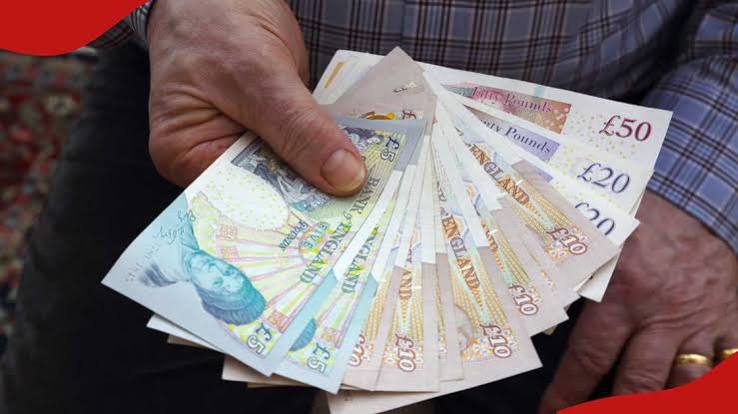
The Kenya shilling traded at 129.96 to the US dollar on November 12, 2026, according to the Central Bank of Kenya’s daily table. The pound fell to 172.72 shillings and the euro eased to 144.38, both down about one percent from the previous day. The Japanese yen, per 100 units, was at 81.44.
The Central Bank of Kenya’s table for November 12, 2026, puts the shilling at 129.96 to the US dollar. That is unchanged from November 10 and 0.01 shilling above November 11. The rate is also identical to the 129.96 recorded in the bank’s weekly bulletin for the week ending November 20, 2025, so the dollar has held its level for a year.
The pound fell to 172.72 shillings from 174.44 the previous day, a drop of about 1 percent. It is also below the 174.33 recorded on November 10 and the 174.45 of November 3. Compared with the 169.67 recorded in late November 2025, sterling remains about 1.8 percent higher against the shilling.
The euro eased to 144.38 shillings from 145.68 on November 11, a fall of about 0.9 percent. It is now the lowest level in the CBK tables for this month, below the 145.82 recorded on November 3 and the 146.27 seen on November 5. Against the 149.68 of a year earlier, the euro is about 3.5 percent weaker.
The Japanese yen, quoted per 100 units, slipped to 81.44 from 82.13, the lowest reading in the tables reviewed for this month. It is about 1.3 percent below the 82.53 recorded in late November 2025. The South African rand also weakened, to 7.83 shillings from 7.92, returning to its level of November 3.
Because the dollar has been steady, the moves in the pound, euro and yen mostly reflect how those currencies are moving against the dollar. The daily table does not give reasons for the changes, so any explanation would be speculation. The gap between the stable dollar rate and the falling sterling, euro and yen rates is the clearest pattern in the table.
For importers and households, the impact depends on the currency they pay in. Goods priced in dollars have not become more expensive through the exchange rate over the past year. Businesses paying suppliers in pounds or euros will find those payments slightly cheaper in shillings today than a day earlier, though the difference is small.
The table is a reference rate, and the buying and selling rates offered by banks and money transfer services usually differ from it. Anyone making a foreign payment should check the rate they will actually receive before committing.
Some economic forecasts published in late 2025 expected the shilling to weaken toward 134 per dollar by the end of 2026. The current rate of 129.96 is well below that projection. The stability has been supported by reserves, which stood at US$12.01 billion in the week ending November 20, 2025, equal to 5.2 months of import cover.
The CBK’s next daily tables will show whether the pound and euro continue to ease or recover. The bank’s next monetary policy decision on December 9 and the November 18 government bond auction will also shape expectations for the currency.