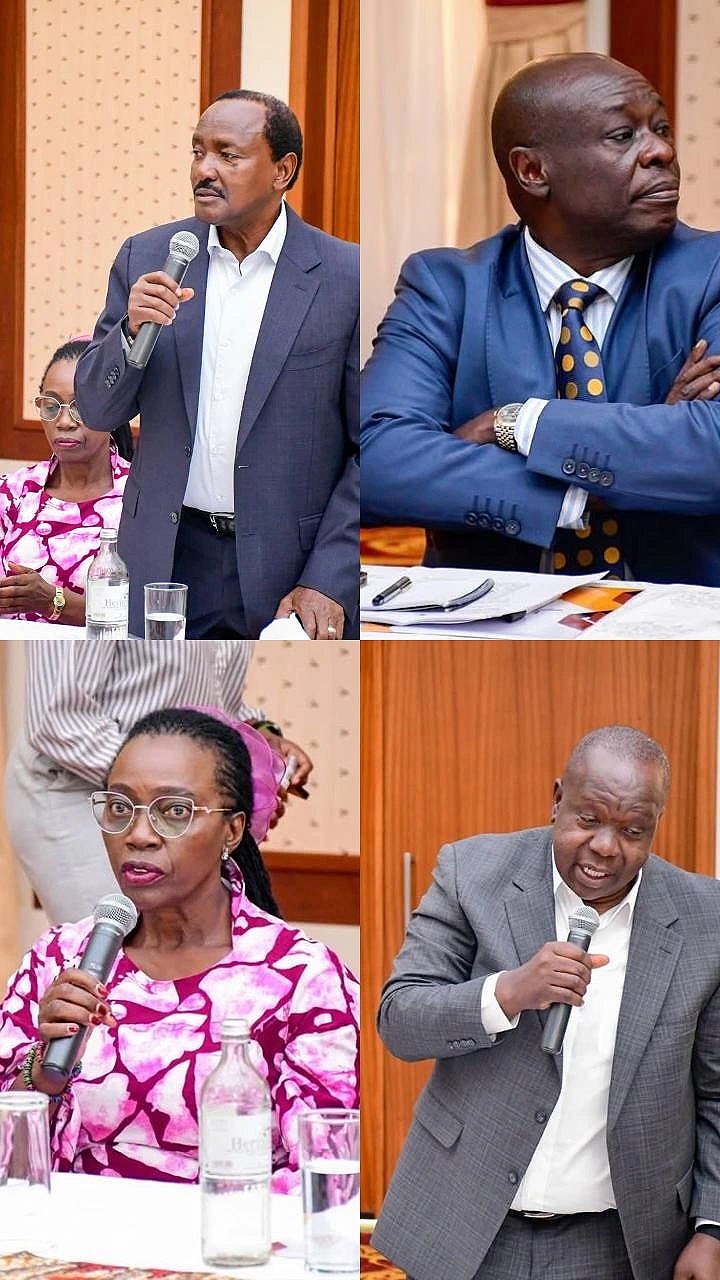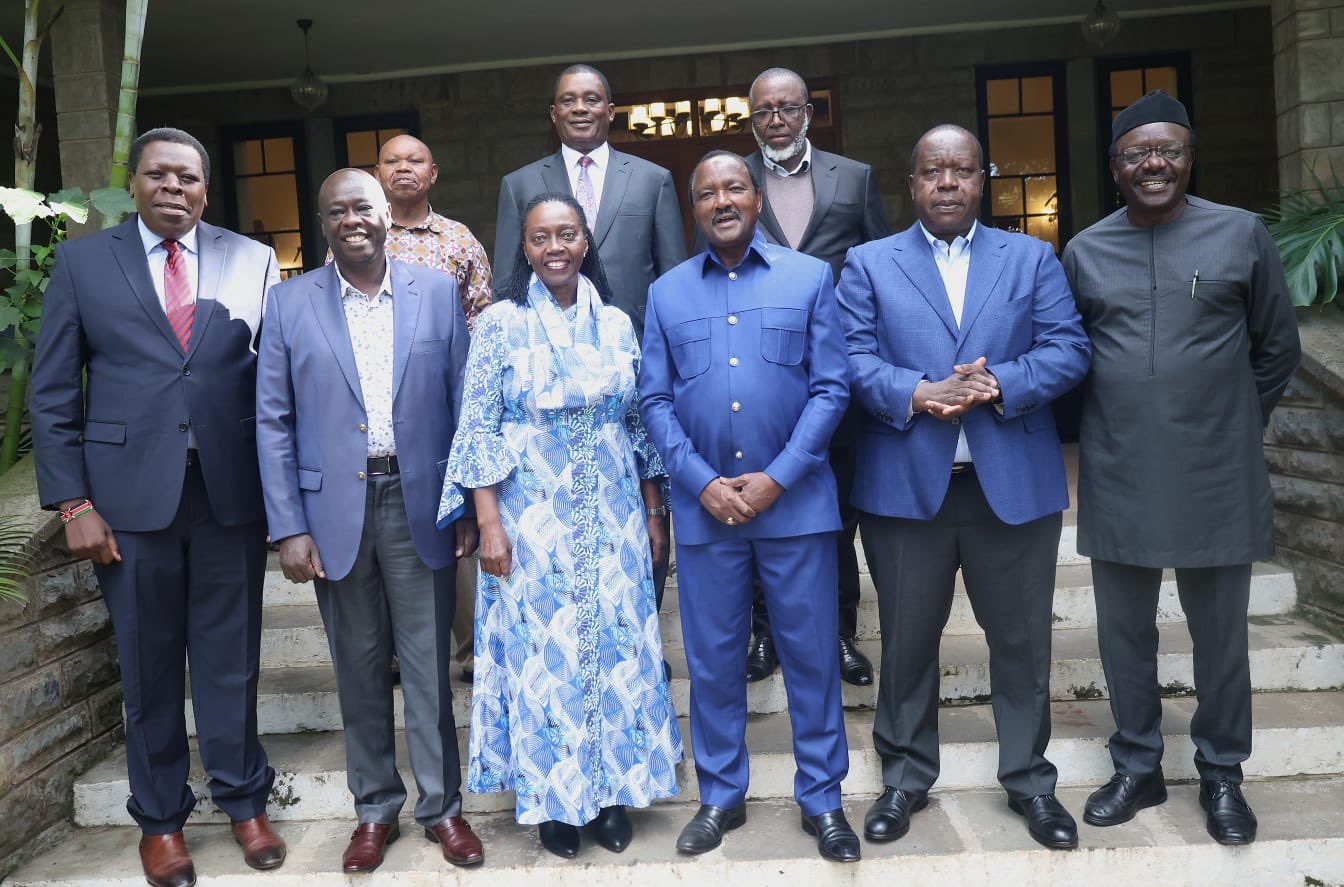
The ability of Kenya’s opposition leaders to unite, form a formidable political coalition and present a credible alternative government ahead of the 2027 General Election is emerging as one of the key questions shaping the country’s political landscape.
Although opposition leaders have repeatedly expressed their commitment to working together, differences in political positions, competing ambitions and disagreements over the direction of their parties continue to raise questions about the strength of their unity.
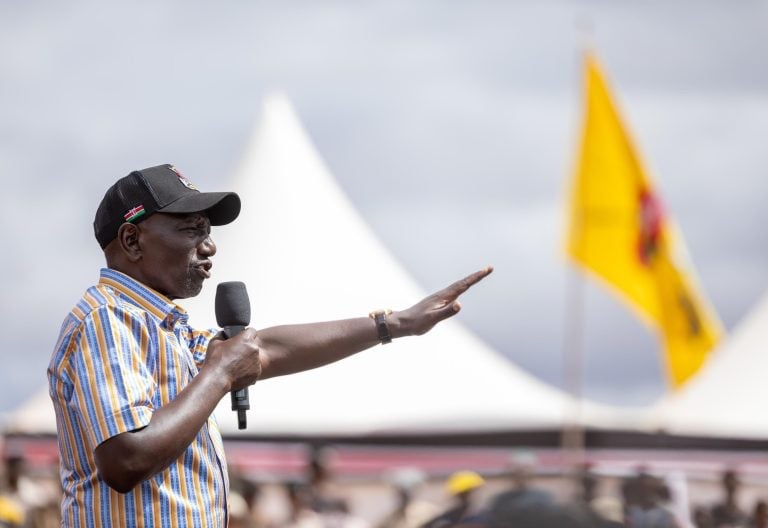
The leaders have publicly identified political cooperation, the formation of a united coalition and the establishment of an alternative government as key priorities in their efforts to challenge President William Ruto’s administration.
However, their ability to translate these ambitions into a working political arrangement remains under scrutiny, with their opponents increasingly using apparent divisions within the opposition to question its preparedness to take over power.
One of the main challenges facing the opposition is the frequent changes in political positions among some of its leaders, alongside competing claims over who should spearhead the movement seeking to unseat the current administration.
Despite the concerns, FEDA party chairman Joseph Ole Lenku has dismissed suggestions that the opposition is experiencing hostility among its leaders, maintaining that there are no fundamental disagreements standing in the way of their efforts to form the next government.
Lenku’s remarks come amid growing debate over how opposition parties intend to organise themselves and agree on a common political direction ahead of the next election.
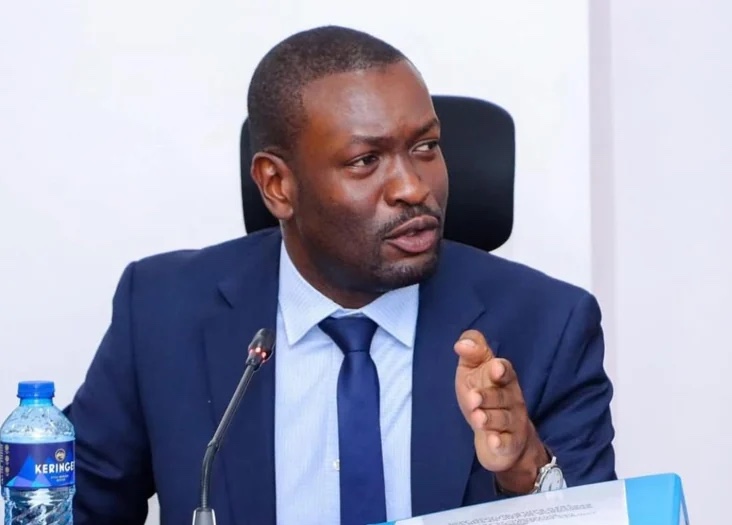
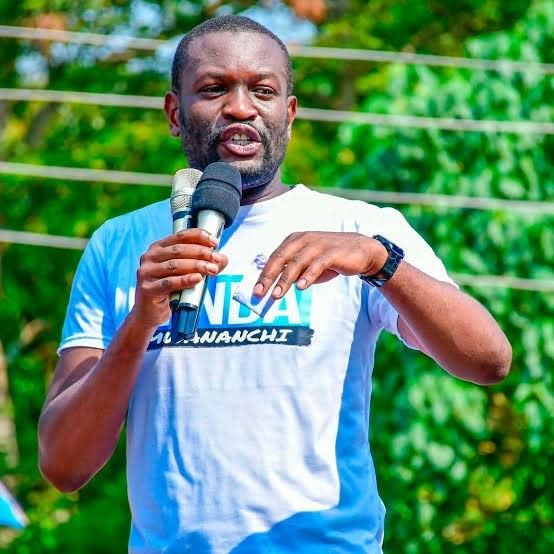
Kiharu Member of Parliament Ndindi Nyoro, on his part, expressed confidence in the opposition's prospects, suggesting that a change of government in the next election was no longer a matter of debate.
According to Nyoro, the remaining task is for the opposition to identify and announce a suitable candidate who can lead its political campaign, arguing that President Ruto should prepare to return to either Sugoi or Kilgoris after the 2027 polls.
However, DCP party leader Rigathi Gachagua has maintained that meaningful political unity must be built through consultations rather than being imposed by individual leaders.
Gachagua argues that opposition leaders should be given an opportunity to determine the political direction of their respective parties through discussions and engagement with voters.
His position highlights the delicate balance the opposition must strike between accommodating individual political interests and establishing a unified front capable of mounting a serious challenge against the ruling administration.
For the opposition, the ultimate test will be whether its leaders can put aside their differences, agree on a common agenda and settle on a candidate who can rally support across the country.
While its leaders remain optimistic about their chances of forming the next government, the coming months will be crucial in determining whether their declarations of unity can translate into a credible political coalition ahead of the 2027 General Election.