The Confederation of African Football (CAF) is considering retaining the Africa Cup of Nations (AFCON) on a two-year cycle, potentially reversing its earlier decision to stage the continental tournament every four years.
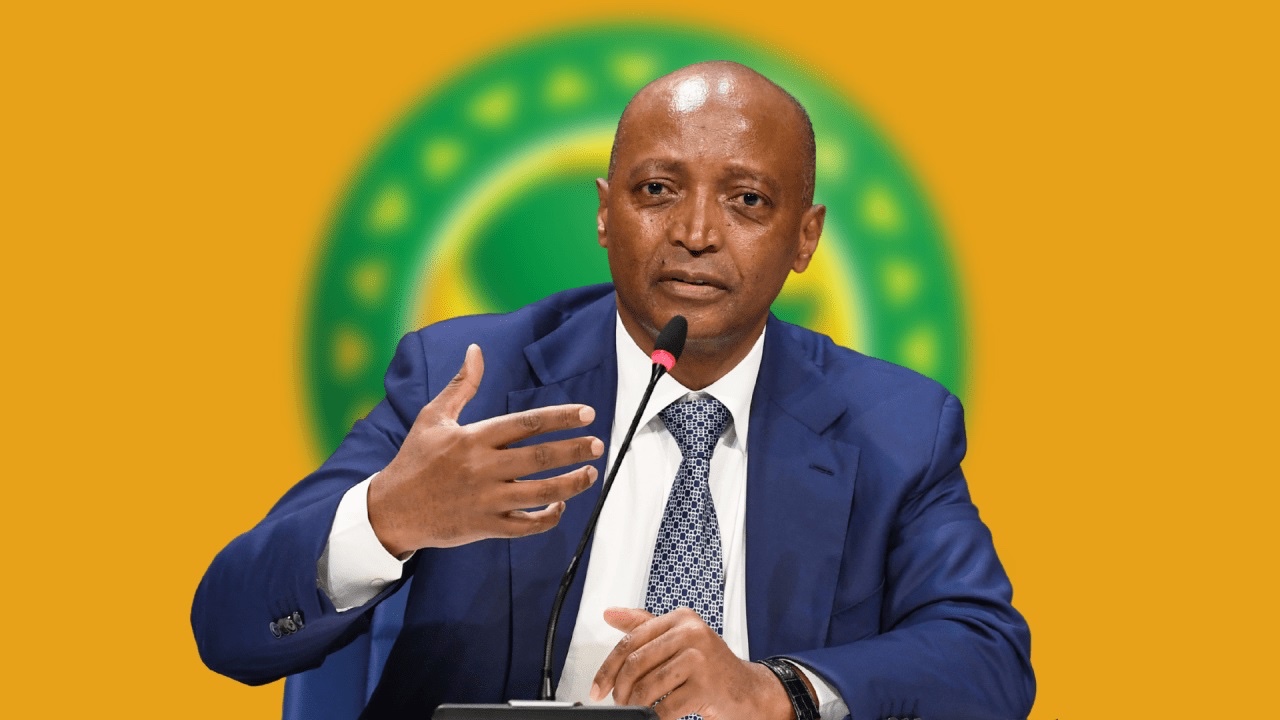
CAF President Patrice Motsepe confirmed that the proposal was under review while speaking on Friday at the organisation’s strategy conference in Cape Verde.
Motsepe said the governing body had discussed the matter over the preceding days and was examining different options, including a return to the tournament’s traditional biennial schedule.
He said CAF was reviewing the arrangement, signalling that the proposed change to the competition’s frequency had not been finalised.
AFCON has traditionally been held every two years since 1968, with the exception of the transition between the 2012 and 2013 editions, which were staged just one year apart following a calendar adjustment.
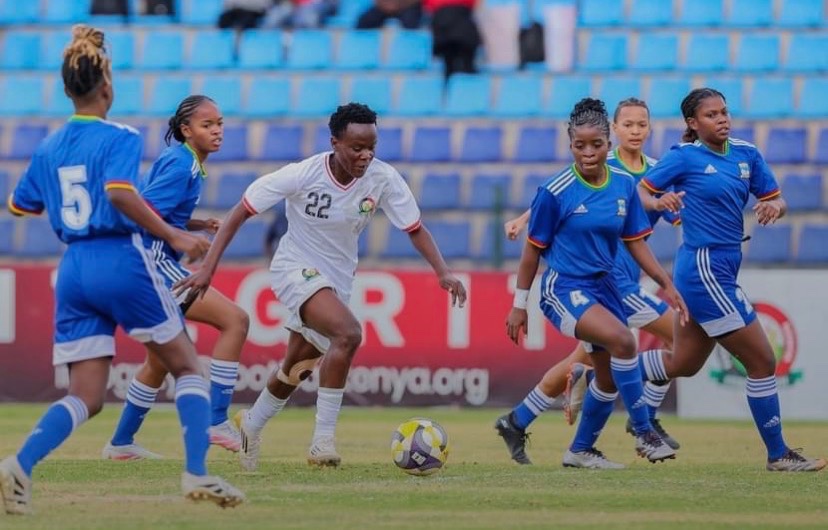
However, in December 2025, CAF announced plans to move the tournament to a four-year cycle after the 2027 edition, which is scheduled to be hosted jointly by Kenya, Uganda and Tanzania.
The plan also included a 2028 edition before the proposed four-year arrangement took effect.
The decision was intended to reshape African football’s international calendar, but it attracted criticism from several stakeholders, including national football associations concerned about the implications for their teams and domestic football development.
Critics have argued that holding AFCON every four years could reduce the frequency with which national teams compete for Africa’s most prestigious international football title.
They have also raised concerns about the commercial consequences for participating countries, sponsors, broadcasters and other stakeholders who depend on the tournament’s regular return.
The competition provides an important platform for African national teams to showcase their talent, while offering players opportunities to compete at the highest continental level.
A longer interval between editions could also affect the visibility of national teams and reduce opportunities for countries to qualify for and participate in the tournament.
National associations have further questioned how the proposed four-year cycle would position AFCON within the crowded international football calendar, particularly alongside major global competitions and club football commitments.
Motsepe’s latest remarks suggest CAF is willing to reconsider the schedule in response to the concerns raised by stakeholders.
However, the confederation has yet to announce a final decision on whether AFCON will return to a two-year cycle or proceed with the previously proposed four-year arrangement.
For now, the tournament’s future scheduling remains under review as CAF weighs the interests of national associations, commercial partners, players and the wider African football community.