British heavyweight boxer Tyson Fury has revealed he was diagnosed with schizophrenia and bipolar disorder following his 2015 victory over Wladimir Klitschko, describing the mental health crisis that left him unable to cope with everyday life.
The 38-year-old says he began hearing voices threatening to harm him and his family after becoming world heavyweight champion, as depression, anxiety and substance abuse increasingly affected his life away from boxing.
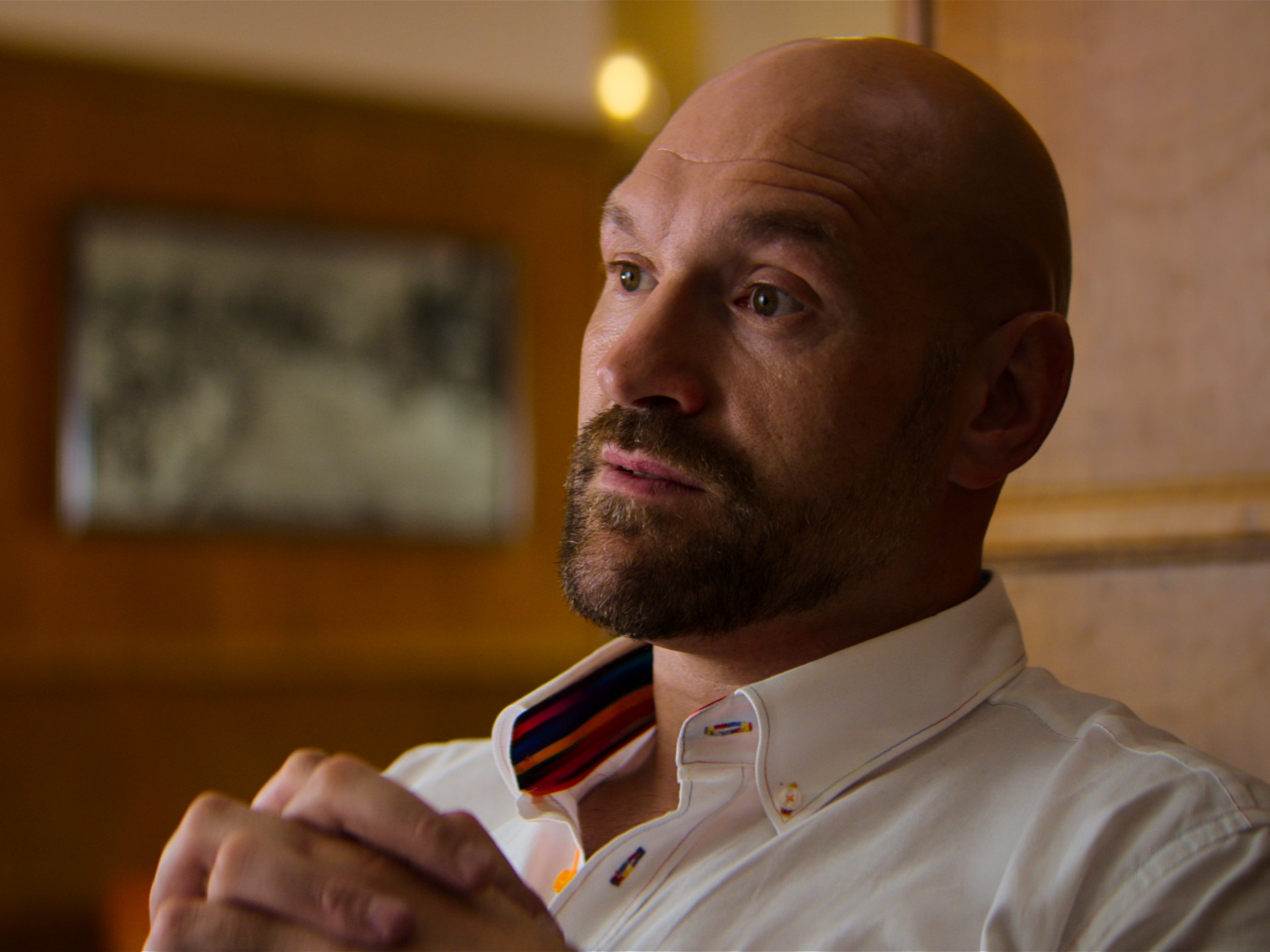
The revelations feature in an upcoming Netflix documentary titled 'TYSON FURY', in which the boxer and his wife, Paris, recount his struggles and the events surrounding his hospital admission in June 2016.
Fury was admitted to hospital with a suspected heart attack, but doctors reportedly determined that he had suffered an anxiety attack.
He later sought psychiatric help in London, where he underwent an assessment that identified several mental health conditions.
“Words can't explain the darkness I was in,” Fury says in the documentary, describing the experience as being like a living version of the pits of hell.
He recalls fearing that he would end up confined in a padded room, saying the anxiety had become so severe that he could not overcome it.
Fury also describes hearing the radio speaking directly to him and becoming convinced that the Illuminati wanted him, prompting him to beg Paris to get him out of hospital.
His wife also recounts the frightening period, with the documentary revealing that his schizophrenia and bipolar disorder diagnoses were confirmed after his hospital discharge.
The boxer says his condition worsened in the aftermath of his triumph over Klitschko, with significant weight gain and struggles with alcohol and drugs adding to his difficulties.
His planned rematch with Klitschko, initially scheduled for 2016, was postponed before Fury withdrew after being declared medically unfit to fight. He subsequently relinquished his world heavyweight titles.
Fury identifies a Halloween night out in 2017 as a turning point, recalling how his appearance and lifestyle forced him to confront how far he had fallen from the heights of his boxing career.
He says the experience motivated him to rebuild his life, return to training and focus more on his family.
His recovery eventually led to a return to the top of heavyweight boxing, highlighted by his 2020 victory over Deontay Wilder, which earned him the WBC heavyweight title.
Fury has previously spoken publicly about his struggles with depression and bipolar disorder, but the documentary provides further insight into the severity of his mental health challenges and the schizophrenia diagnosis.
The Netflix documentary, featuring interviews with Fury, Paris and his father, John, is scheduled for release on Friday, November 27.
The revelation comes as Fury prepares for his long-awaited all-British heavyweight showdown against Anthony Joshua at Cardiff's Principality Stadium on December 11.
The fight, which will be streamed live globally on Netflix, will bring together the two former world heavyweight champions for their first professional meeting.