The World Health Organization (WHO) has maintained the Ebola outbreak in the Democratic Republic of Congo (DRC) as a Public Health Emergency of International Concern (PHEIC), calling for increased international support to contain the spread of the disease.
In a statement issued on Wednesday, November 18, 2026, WHO Director-General Tedros Adhanom Ghebreyesus said the decision followed advice from the organisation’s Emergency Committee, which met to review the ongoing outbreak.
The outbreak, caused by the Bundibugyo virus, continues to raise serious public health concerns, prompting WHO to urge governments and international partners to strengthen their response efforts.
Tedros called on countries and partners to work together in mobilising additional resources needed to protect communities affected by the outbreak over the coming months.
He noted that sustained cooperation would be necessary to support response activities and prevent the situation from worsening.
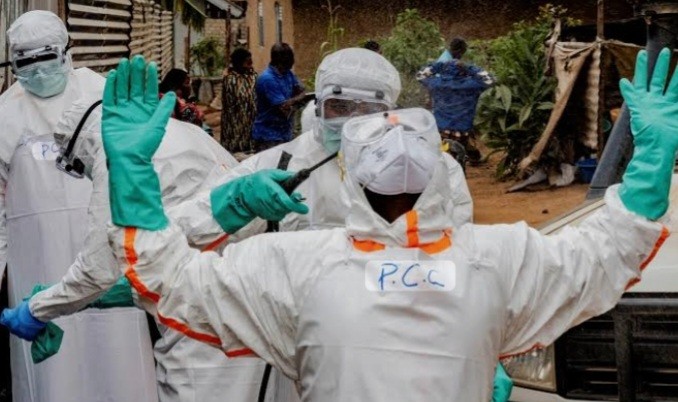
The WHO chief also raised concerns about the safety of health workers, medical facilities and other responders operating in affected communities.
He called for their protection, particularly amid the ongoing conflict in parts of the country, which presents additional challenges to those involved in controlling the outbreak.
Health workers and other responders play a critical role in managing outbreaks through activities such as providing medical care, supporting affected communities and carrying out response operations. Their safety is therefore essential to ensuring that such efforts can continue.
The organisation said updated recommendations directed at the government of the Democratic Republic of Congo and other countries would be issued in the coming days.
The recommendations are expected to provide further guidance on measures needed to strengthen the response and address the international concerns surrounding the outbreak.
The PHEIC classification is WHO's highest level of international health alert and is used when an outbreak is considered to pose a serious public health risk beyond the borders of the country where it began.
By maintaining the classification, WHO is signalling that the situation still requires coordinated international attention, adequate resources and continued vigilance.
The organisation has therefore urged governments and partners not to scale down their support, stressing the need to protect affected communities as response efforts continue.
The latest announcement places renewed focus on the need for international cooperation, especially as responders work under difficult conditions in areas affected by both the outbreak and ongoing conflict.