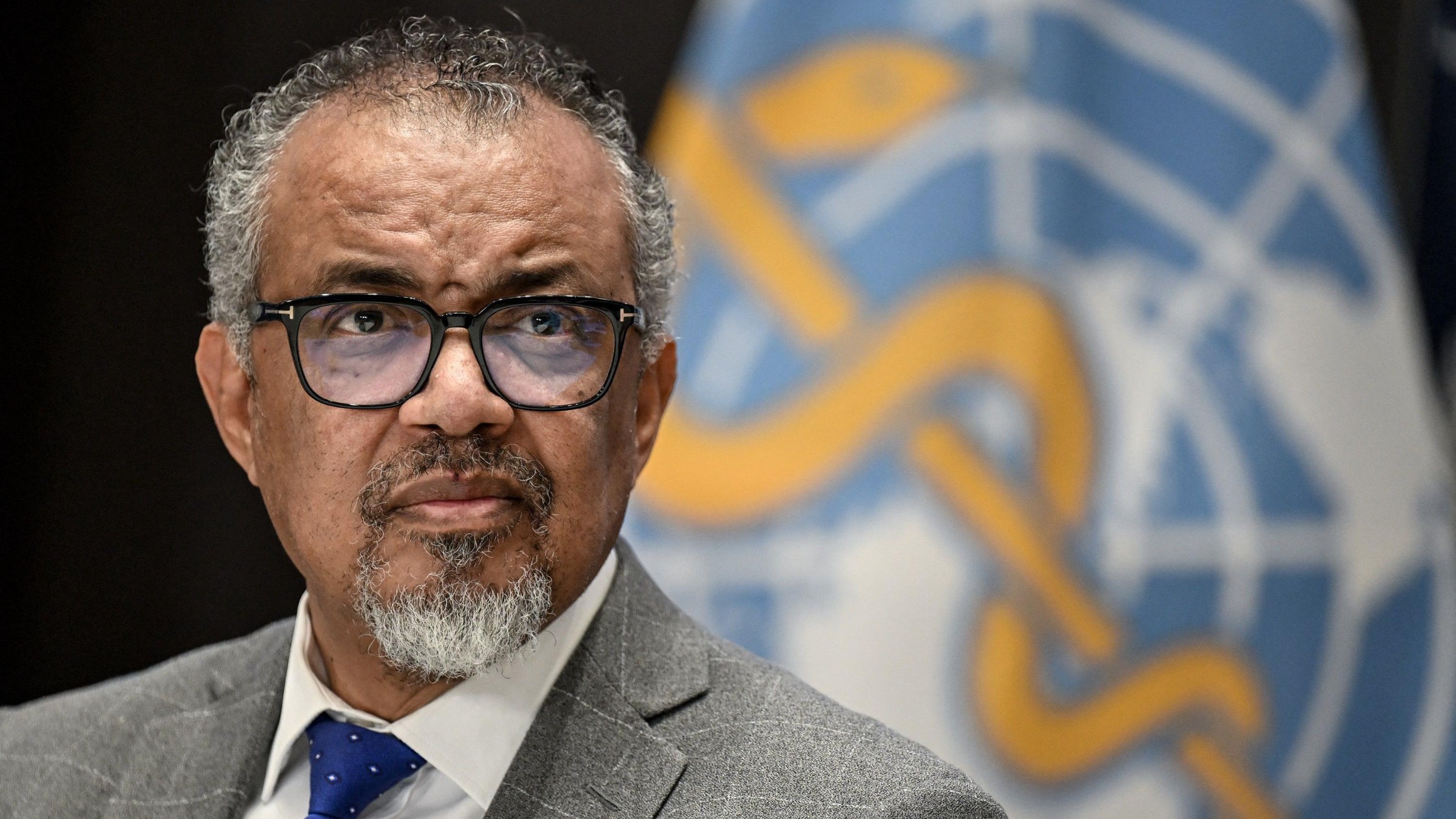
World Health Organization (WHO) Director-General Tedros Adhanom Ghebreyesus has raised alarm over escalating fighting in eastern Democratic Republic of Congo (DRC), warning that renewed violence is threatening healthcare services and disrupting efforts to contain the deadly Ebola outbreak.
In a statement on Sunday, November 22, Tedros revealed that heavy fighting had been ongoing since Saturday in the vicinity of a hospital in Ituri Province, near the area where the latest Ebola outbreak first emerged.
The clashes forced WHO personnel and humanitarian response partners to seek shelter inside the hospital's maternity ward, where they had remained for more than 24 hours as fighting continued outside the facility.
The situation has disrupted hospital operations and the wider Ebola response, placing patients, their families and healthcare workers at grave risk.
Tedros said WHO was working with humanitarian partners to engage parties involved in the conflict and secure safe passage for the trapped personnel.
He called for their immediate evacuation and urged all parties to respect the protection of healthcare facilities, medical workers and patients.
"The best medicine is peace," Tedros said.
The security concerns come against the backdrop of decades of armed conflict in eastern DRC, where more than 120 armed groups have operated across provinces including Ituri, North Kivu and South Kivu.
The violence involves various militias, government forces and regional interests, with groups such as the Allied Democratic Forces (ADF), CODECO and M23 among those linked to insecurity in different parts of the country.
Repeated attacks, displacement and restricted humanitarian access have complicated efforts to deliver essential services and respond to disease outbreaks.
The Ebola outbreak, caused by the Bundibugyo virus, was officially declared on May 15, 2026, marking the country's 17th recorded Ebola outbreak.
According to WHO figures published on November 20, Ituri remained the worst-affected province, with 7,946 confirmed cases and 3,751 deaths recorded since the outbreak was declared.
North Kivu had reported 2,996 confirmed cases and 1,654 deaths, while Haut-Uélé recorded 534 cases and 231 deaths.
The outbreak has also spread beyond the DRC, with confirmed cases reported in Kenya and Nigeria, prompting heightened surveillance and cross-border preparedness.
WHO has warned that insecurity, gaps in disease surveillance and difficulties accessing affected communities continue to undermine containment efforts.
Tedros said attacks across eastern DRC had become more frequent since the end of October, calling for an immediate end to hostilities to allow humanitarian teams to continue saving lives.