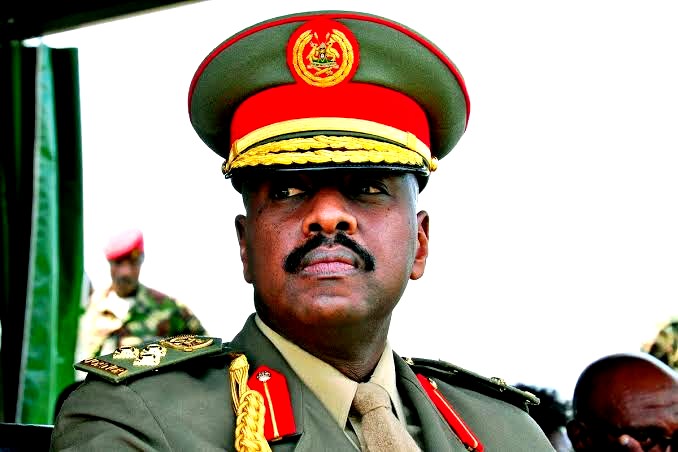
Uganda’s military has dismissed allegations of human rights abuses against Chief of Defence Forces General Muhoozi Kainerugaba published in The New York Times, describing the claims as unfounded and part of what it termed a campaign against the country’s leadership.
In a statement issued in Kampala on Saturday, October 10, 2026, Acting Director of Defence Public Information Colonel Chris Magezi criticised an October 8 article by American journalist Megan K. Stack titled The Authoritarian Future Is Already Here.
Magezi accused the publication of relying on opposition and activist narratives to portray the Ugandan government negatively, arguing that the allegations against Kainerugaba lacked credible evidence.
The military’s response centred on claims attributed in the article to exiled Ugandan writer Kakwenza Rukirabashaija, who alleged that he was tortured while in detention and that Kainerugaba personally subjected him to humiliating treatment.
According to the account cited in the New York Times article, Rukirabashaija alleged that he was severely beaten, sustaining injuries to his ankles and kidneys, and was left with scars on his back.
He also alleged that Kainerugaba visited him during detention and offered him money to remain silent about the alleged abuse.
However, Magezi rejected the account, insisting that Kainerugaba had never met Rukirabashaija.
The UPDF spokesperson also questioned aspects of the account presented in the article, arguing that the allegations were inconsistent and should not be accepted without independent verification.
“The allegations of human rights abuses attributed to Gen. Muhoozi Kainerugaba are presented without proper verification and rigorous scrutiny,” Magezi said, describing them as hearsay.
The military further accused Western media organisations of unfairly targeting Kainerugaba, citing previous publications by British newspaper The Telegraph, the Wall Street Journal and The Economist that examined his political influence and the possibility of his succeeding his father, President Yoweri Museveni.
Magezi maintained that Uganda’s future leadership should be determined by Ugandans rather than external interests, rejecting what he described as foreign interference in the country’s internal affairs.
Kainerugaba, who serves as the UPDF Chief of Defence Forces and Senior Presidential Advisor for Special Operations, has attracted international attention over his public statements, political profile and potential role in Uganda’s succession politics.
In defending the military chief, Magezi described him as a decorated officer with decades of service, arguing that his record should not be judged on the basis of social media remarks or what he characterised as misleading media reports.
The UPDF also maintained that Uganda operates under a constitutional framework and that the military is legally mandated to support civilian authorities when required, including in maintaining law and order.
Magezi said the army remained committed to discipline and accountability, adding that service members who violate the law should be held responsible for their actions.
The statement did not provide independent evidence addressing the specific allegations attributed to Rukirabashaija, instead disputing his account and questioning the reporting of the claims.
The controversy comes amid broader debate over political freedoms, accountability and the role of security agencies in Uganda, as attention continues to focus on the country’s political future.