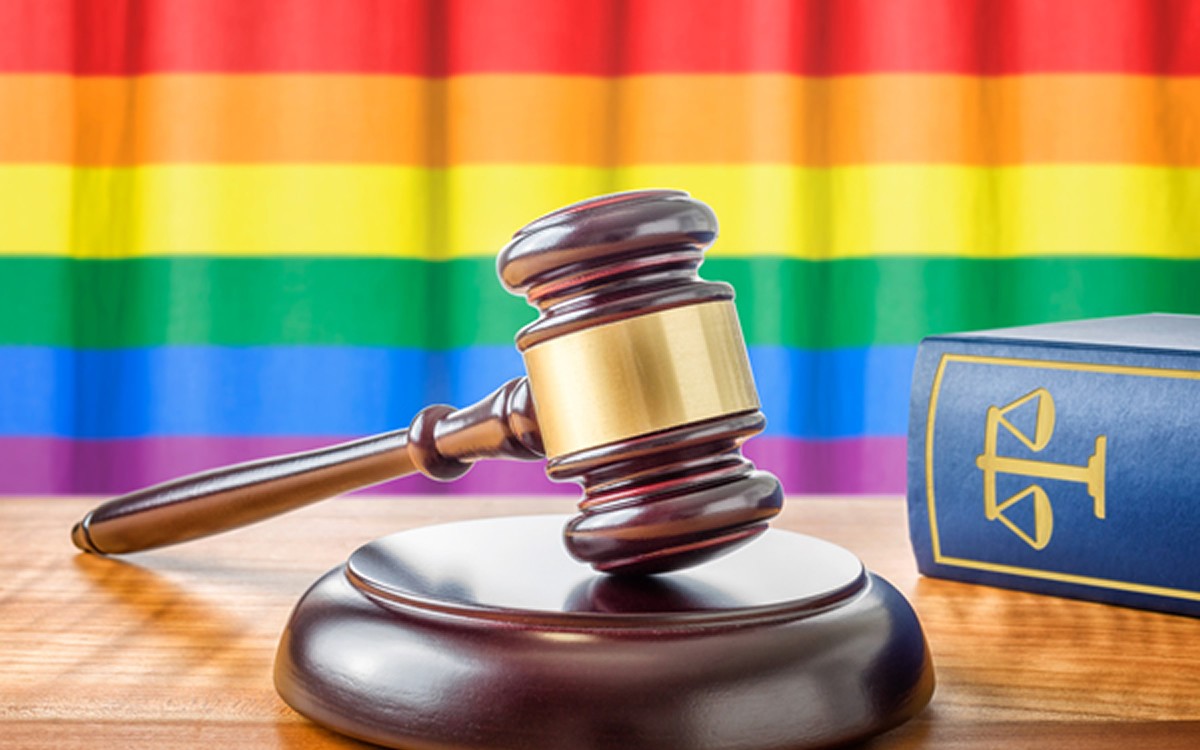
The Joint United Nations Programme on HIV/AIDS (UNAIDS) has welcomed a landmark court ruling overturning legal provisions that criminalised consensual same-sex relations between adults in Trinidad and Tobago.
The ruling strikes down Sections 13 and 16 of the country's Sexual Offences Act, which prohibited private, consensual sexual relations between adults of the same sex.
UNAIDS described the decision as a significant milestone for human rights and public health, saying it would help reduce stigma and discrimination while creating a safer environment for people seeking HIV prevention, testing and treatment services.
Significance of the court ruling
However, the UN agency has urged the Trinidad and Tobago government to take further legislative steps to protect LGBTQI communities and people living with HIV from discrimination.
In particular, UNAIDS has called for amendments to the Equal Opportunities Act to include health status and LGBTQI identity among the categories protected against discrimination.
The agency said decriminalising consensual same-sex relations was an important first step but stressed that broader legal protections were necessary to guarantee equality and access to essential services.
Calls for further legislative action
UNAIDS Regional Director for Latin America and the Caribbean Luisa Cabal congratulated Jason Jones, whose legal challenge brought the case before the courts, describing the ruling as a historic achievement for the people of Trinidad and Tobago.
"UNAIDS congratulates Jason Jones (who brought forward the case) for his efforts in achieving this historic milestone for Trinibagonians," Cabal said.
She noted that removing laws criminalising consensual same-sex relations would help dismantle fear and stigma, which often prevent members of LGBTQI communities from accessing essential healthcare services.
According to Cabal, the decision represents progress not only for Trinidad and Tobago but also for the wider Caribbean region.
Regional implications of the ruling
She added that UNAIDS would continue supporting communities advocating for equality and protection against discrimination.
With the ruling, Trinidad and Tobago joins several other countries that have overturned laws criminalising consensual same-sex relations in recent years.
They include Botswana in 2026, Saint Lucia in 2025, Dominica in 2024, Antigua and Barbuda in 2022, St. Kitts and Nevis in 2022, Barbados in 2022 and Belize in 2016.
UNAIDS has called on countries that still maintain such laws to repeal them and adopt rights-based HIV policies and strategies aimed at improving public health outcomes and building more equitable societies.
The agency has also urged Commonwealth Heads of Government to champion the decriminalisation of consensual same-sex relations in Caribbean countries where LGBTQI communities continue to face criminalisation.
UNAIDS, which brings together 11 United Nations organisations, works with governments, communities and international partners towards ending the AIDS epidemic by 2030, as part of the Sustainable Development Goals.
Its global strategy is anchored on achieving zero new HIV infections, zero discrimination and zero AIDS-related deaths.