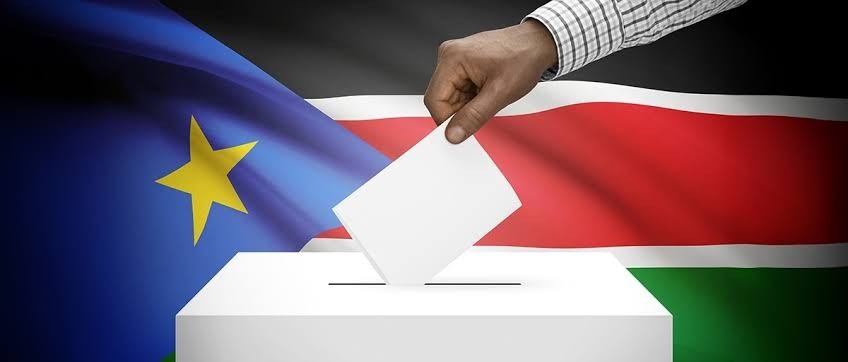
South Sudan has postponed its long-awaited general elections by nearly two months, moving the polling date from December 22, 2026, to February 11, 2027.
A newly published electoral timetable by the country's National Elections Commission (NEC) indicates that voter registration will begin on Saturday, November 14, and run until November 28.
The revised schedule marks another adjustment to the country's electoral calendar as authorities prepare for the first general elections since independence in 2011.
Postponement of general elections
The revised calendar extends the electoral process by 51 days, marking another delay in South Sudan's efforts to conduct its first national elections as an independent state.
The commission has not given a specific reason for the postponement. However, the change comes amid growing concerns over the country's preparedness, including logistical challenges, funding, security and the implementation of the 2018 peace agreement.
National Elections Commission spokesperson Josephine Achiro Fortelo said the revised dates followed consultations with stakeholders.
Under the new timetable, the provisional voters' register is expected to be published on November 29, allowing citizens to verify their details and raise objections before the final register is released in January.
The nomination process is scheduled to begin on November 29, with prospective candidates expected to submit their applications between December 14 and December 20. The final list of candidates is scheduled for publication on January 18, 2027.
New electoral timetable details
Political campaigns will run for 45 days, beginning December 27 and ending February 9, two days before polling. February 10 will be observed as a campaign-free day ahead of the elections.
The commission has also scheduled February 15 for the declaration of final results, with their publication expected the following day.
The latest postponement comes against the backdrop of prolonged political uncertainty and repeated delays in implementing the peace agreement signed in 2018, which ended a five-year civil war that claimed hundreds of thousands of lives.
Political context and challenges
South Sudan gained independence from Sudan in July 2011 but has never held a general election. Its leadership has instead governed through transitional arrangements that have been extended several times.
In September, the United Nations Commission on Human Rights in South Sudan raised concerns over the absence of adequate safeguards and conditions necessary for peaceful and credible elections.
The international community has also raised questions about political participation, security and the inclusion of displaced populations in the electoral process.
The February 2027 date now offers another opportunity for South Sudan to move towards an elected government, although the success of the process will depend on the commission's ability to meet the revised deadlines and address outstanding electoral challenges. ReutersFeed +3