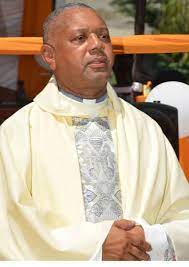
By Rt. Rev. Willybard Lagho, Catholic Bishop of Malindi
Email: thecoasnewspaper@gmail.com
Greetings in the name of the Lord Jesus Christ. A close examination of the growing relationship between some faith leaders and politicians has sparked significant concern, raising more questions than answers and causing divisions within their congregations along political lines. The use of religious platforms, particularly on Sundays, as venues for political discourse under the guise of interfaith prayers is troubling. This practice blurs the line between spiritual guidance and political endorsement, leading to the use of faith as a tool to legitimize political authority. It begs the question: how legitimate are such prayers when they are intertwined with political agendas?
Politicians appear to be reclaiming influence by enticing faith leaders away from their traditional places of worship to alternative forums that are often funded by political figures. This shift not only undermines the sanctity of religious gatherings but also raises ethical concerns about the motivations behind such alliances. Faith leaders who openly align themselves with a particular political party should be subject to scrutiny. They should first be admonished for their actions and, if necessary, barred from representing their church in interfaith forums. Their political activism, which seems to have become a full-time occupation, is detrimental to the faith and alienates followers who hold different political views.
The question arises whether this trend among faith leaders is driven by personal financial gains. While one hopes this is not the case, the possibility cannot be ignored. The interfaith movement, which was originally intended to foster unity and understanding among different religious groups, is at risk of losing its original vigour. The movement has gradually been co-opted by political interests, diluting its purpose and effectiveness.
The pressing question remains: can this troubling trend be reversed? It is imperative for faith leaders to reflect on their roles and responsibilities, ensuring that their primary allegiance is to their spiritual mission rather than political interests. By doing so, they can reclaim the integrity of their religious platforms and restore the trust of their congregations. The time for action is now, before the interfaith movement loses its relevance and credibility entirely.