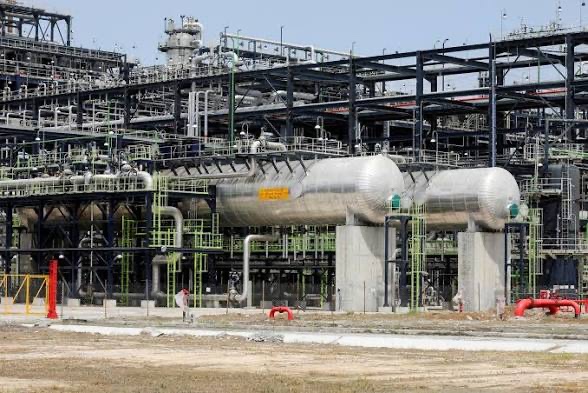
Oil prices declined on Monday, October 19, 2026, after United States President Donald Trump waived key sanctions and tariffs on Russia, raising expectations of increased fuel supplies to international markets. Brent crude futures fell 1.80% to $107.88 per barrel, while US West Texas Intermediate (WTI) crude dropped 1.14% to $100.25, as traders assessed the potential impact of additional Russian exports on global energy markets.
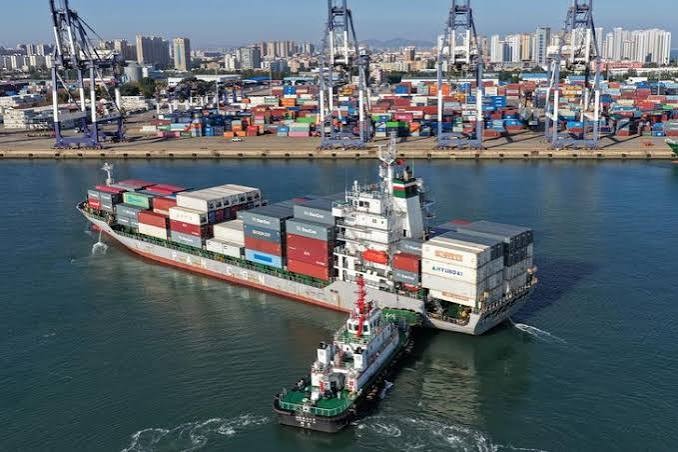
The decline followed a rally that had pushed Brent crude to its highest level since May 19 on Friday, October 16. Prices had risen amid concerns over attacks on commercial vessels and disruptions to oil shipments through the Middle East, which threatened to tighten supplies at a time of heightened geopolitical uncertainty.
Trump signed an executive order on Friday waiving key restrictions under the Graham Act, legislation introduced to increase economic pressure on Moscow over its war in Ukraine. The US administration said it would assess the economic implications of the sanctions and tariffs over a period of up to 60 days, according to Secretary of State Marco Rubio
The move followed an agreement announced by Trump with Russian President Vladimir Putin to facilitate diesel exports to the United States and other markets. The proposed shipments are expected to begin at approximately 2.3 million barrels in October before increasing to around 7.6 million barrels per month in subsequent months, according to Trump's announcement.
However, analysts cautioned that the policy change may not translate into a sustained decline in oil prices. Tim Waterer, chief market analyst at KCM Trade, said uncertainty over the waiver's details and duration was making it difficult for traders to determine whether Russian fuel exports would increase significantly.
Supply disruptions in the Middle East remain a major concern. Data from analytics firm Kpler showed that average Gulf crude oil flows fell to approximately 8.5 million barrels per day over seven days last week, down from more than 20 million barrels per day the previous week. The decline followed intensified attacks on commercial vessels, raising concerns about the security of energy shipments through the Strait of Hormuz.
The developments have left oil markets balancing expectations of additional Russian supplies against the risk of further disruptions to Middle Eastern exports. Analysts at DBS expect prices to remain within a range of $100 to $110 per barrel going into the US midterm elections, reflecting persistent uncertainty over supply and geopolitical tensions.
Investors will now watch for further details on the sanctions waiver, actual Russian export volumes and developments affecting shipping through the Strait of Hormuz to determine whether the recent decline in oil prices can be sustained.