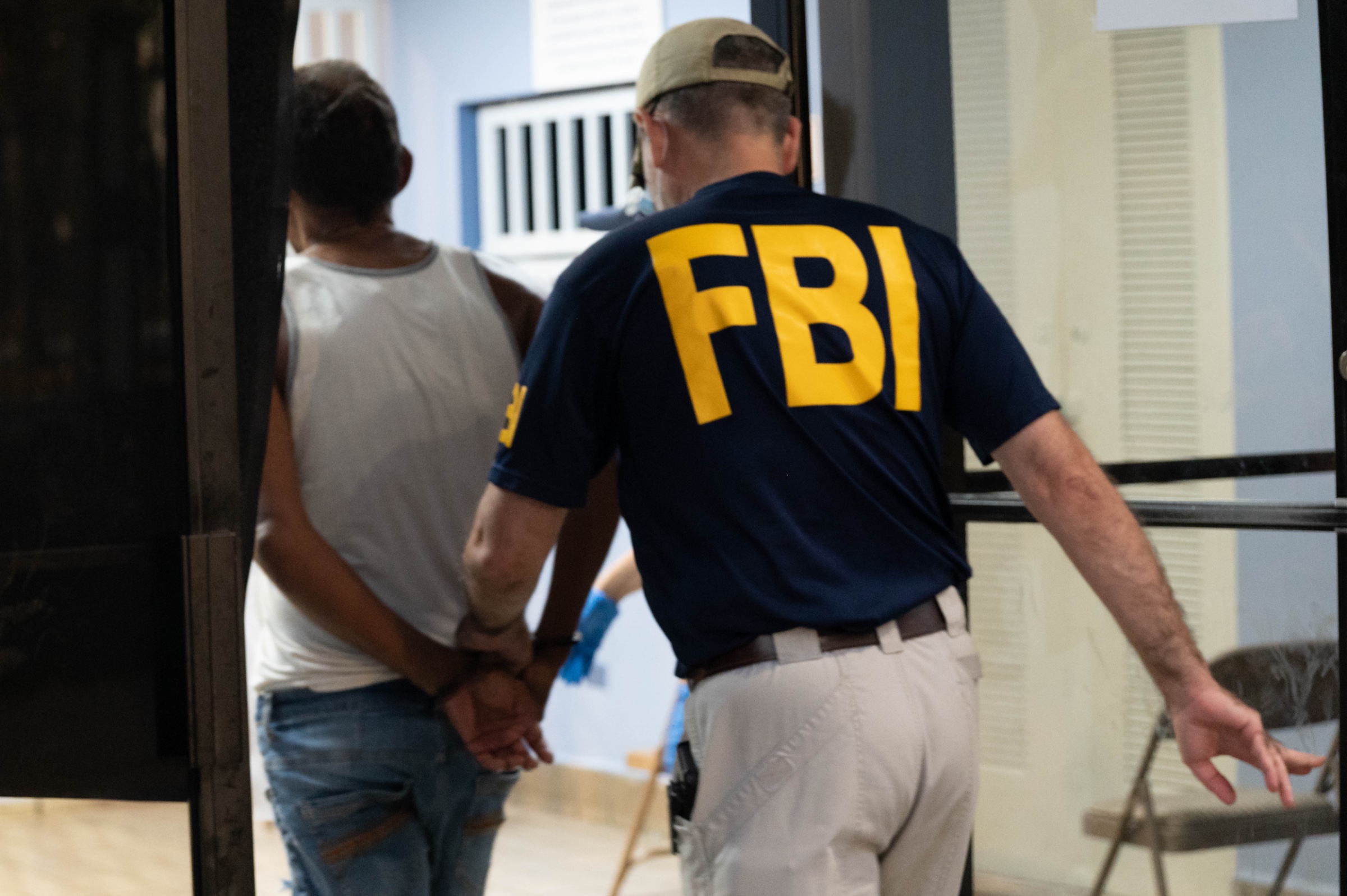
Nigel Farage, the former leader of the UK Independence Party and a prominent figure in the Brexit movement, is at the center of a security controversy following revelations of a terror plot against him. His deputy, Richard Tice, has voiced strong concerns, stating that Farage's security warnings have been consistently overlooked. This comes in the wake of charges against Joshua Kerry, who is accused of plotting to carry out a terror attack on Farage. Kerry, who was previously charged with the murder of Ann Widdecombe, now faces additional allegations related to conspiring to harm Farage.
Richard Tice, speaking on Saturday, expressed his frustration over the perceived negligence regarding Farage's safety. He emphasized the seriousness of the situation, arguing that the failure to heed Farage's warnings has resulted in a significant security breach. Tice's comments highlight the ongoing risks faced by public figures, particularly those with controversial political views. Farage, known for his outspoken and often divisive opinions, has been a polarizing figure in British politics, making him a potential target for threats.
The charges against Kerry bring to light the critical issue of how security agencies handle threats against high-profile individuals. The situation raises important questions about the effectiveness of current security measures and the responsibilities of authorities in proactively addressing credible threats. The case underscores the need for a reassessment of security protocols to ensure the safety of public figures who may be at risk due to their political stances.
As the legal proceedings against Kerry unfold, there will be increased scrutiny on the actions of security agencies and their response to threats against public figures. The outcome of this case could have significant implications for future security protocols and the prioritization of threat assessments. It may also prompt a broader discussion on the balance between ensuring public safety and respecting individual freedoms.
The situation also serves as a reminder of the volatile nature of political discourse and the potential for it to escalate into violence. As public figures like Farage continue to navigate the complex landscape of modern politics, the importance of robust security measures becomes increasingly apparent. The case against Kerry will likely serve as a pivotal moment in the ongoing conversation about how best to protect those in the public eye from harm.