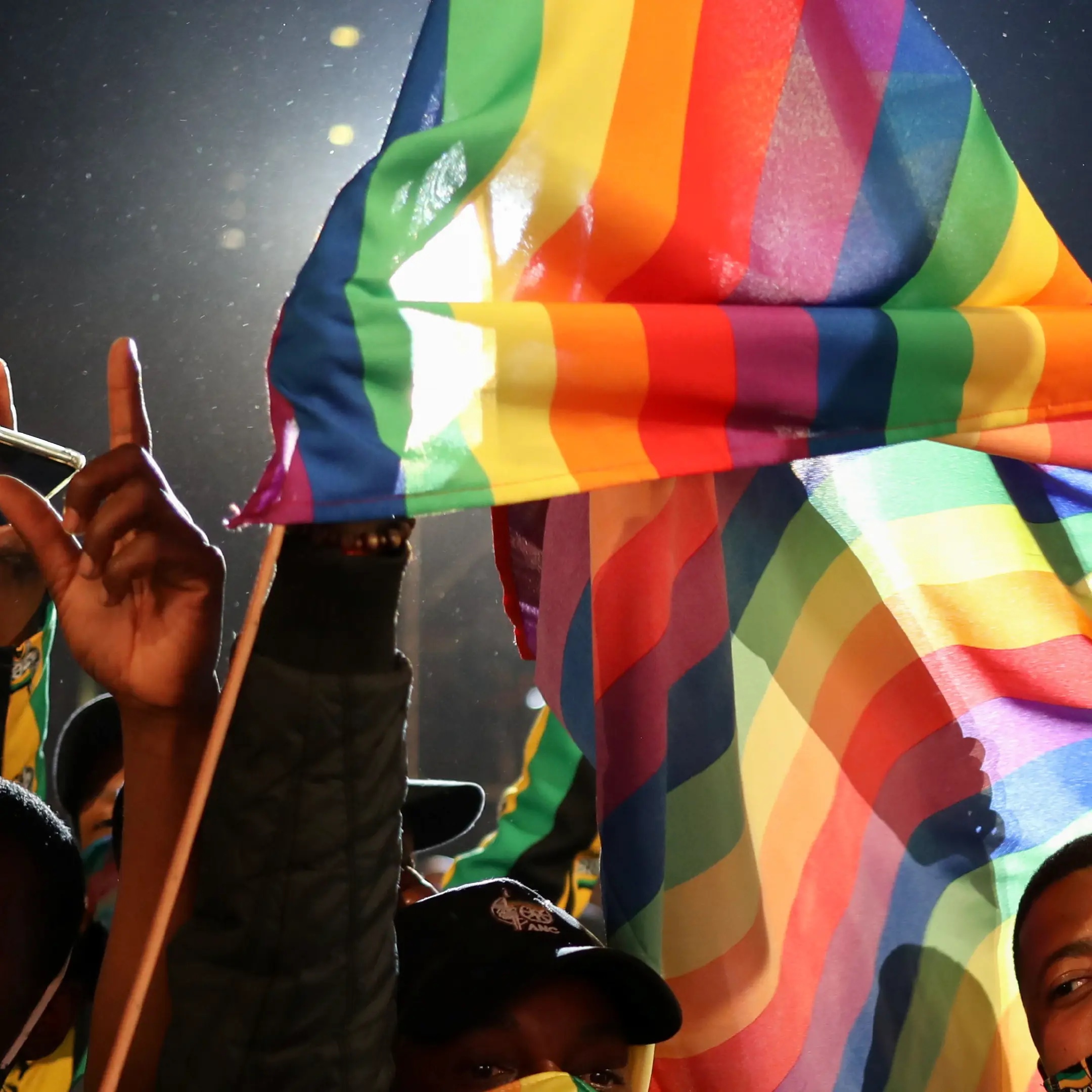
A National Assembly committee has called on the Ministry of Interior to strictly enforce existing provisions of the Penal Code that criminalise certain same-sex sexual acts in Kenya, reigniting a long-running debate over the country’s laws and constitutional protections.
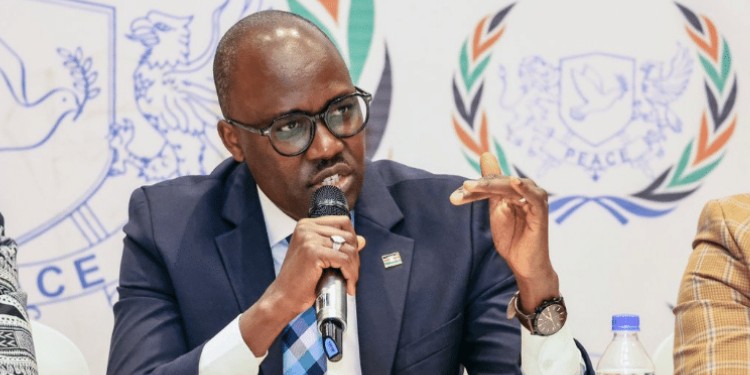
The recommendation was made by the National Assembly Committee on Public Petitions in a report following a petition presented by Nyali MP Mohamed Ali on February 21, 2024.
The committee, chaired by Runyenjes MP Muchangi Karemba, wants the Interior Ministry to enforce Sections 162, 163 and 165 of the Penal Code, which provide criminal penalties for offences described in the law as unnatural offences, attempted unnatural offences and indecent practices between males.
Under Section 162, a person convicted of the specified offence is liable to imprisonment for up to 14 years.
Section 163 provides for a maximum seven-year prison term for attempting an offence under Section 162, while Section 165 provides for up to five years for certain acts of gross indecency between males.
The committee’s recommendation followed an inquiry that involved submissions from the Ministry of Interior, Ministry of Education, Kenya Human Rights Commission, Pema Kenya, Amnesty International Kenya and other organisations.
However, the proposed enforcement has raised a legal question over how the Penal Code provisions should be interpreted alongside the Supreme Court’s 2023 decision involving the registration of the National Gay and Lesbian Human Rights Commission.
In its February 24, 2023 judgment, the Supreme Court ruled that denying registration to an organisation because of the sexual orientation of its members violated the constitutional right to freedom of association.
The court stressed that the case was about the right to form an association and was not a case seeking legalisation of same-sex marriage or decriminalisation of same-sex relations.
The Interior Ministry has argued that the Supreme Court decision must be taken into account when considering enforcement of the provisions.
The committee, however, maintains that the ruling did not legalise same-sex unions or remove Sections 162, 163 and 165 from the Penal Code.
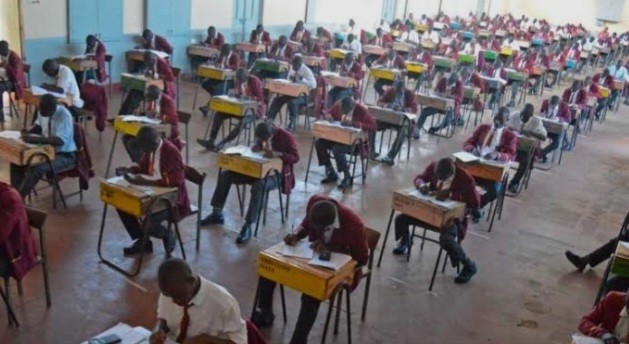
The committee has also recommended that the Ministry of Education, through the Kenya Institute of Curriculum Development, ensure that educational curricula remain consistent with constitutional provisions concerning marriage and family.
The petition further called for consideration of the proposed Family Protection Bill, 2023, which seeks additional legal protections for the family institution.
The committee’s recommendations now place the issue before Parliament for consideration and further action.
The development is likely to attract renewed debate among lawmakers, religious groups, human rights organisations and other stakeholders over the balance between Kenya’s existing criminal laws, constitutional rights and the country’s position on same-sex relationships.