
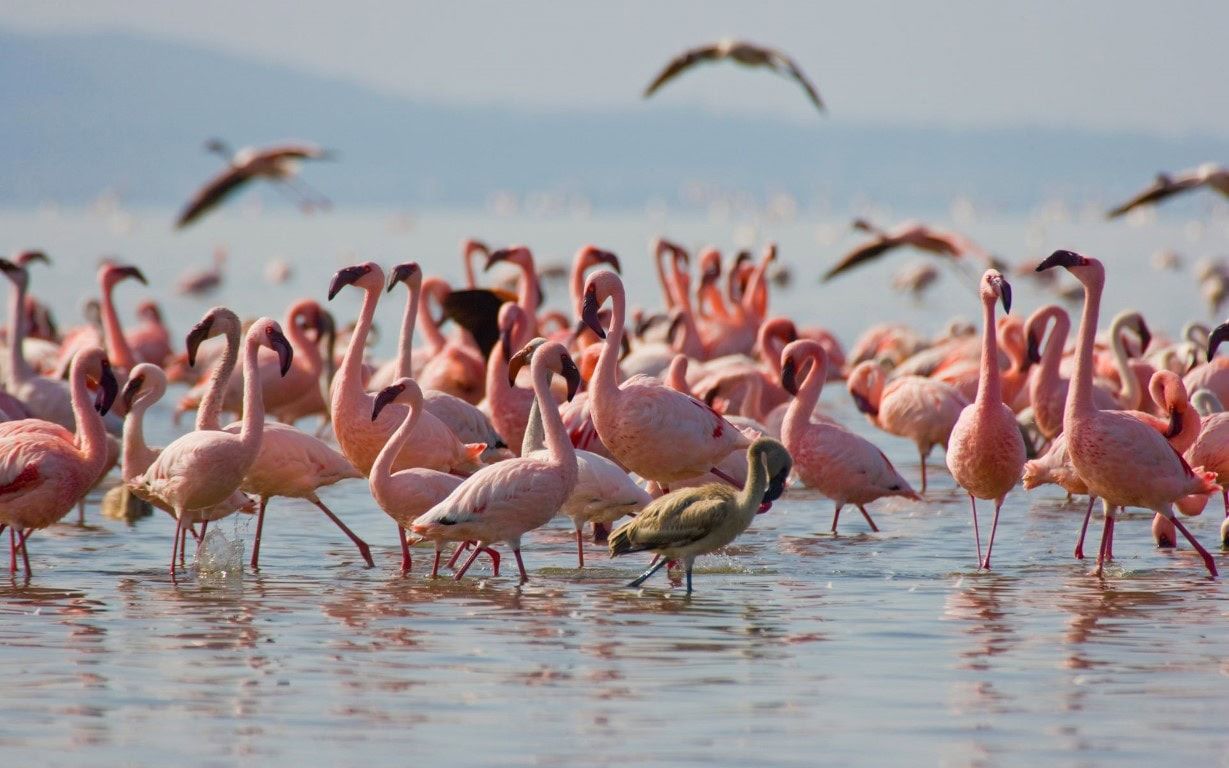
Nearly half of the world’s migratory bird species are in decline, with one in nine now threatened with extinction, according to a new global report launched in Nairobi.
Global report findings
The report, unveiled at the Global Flyways Summit on September 11, found that 45 per cent of migratory bird species are declining**, while several species have already disappeared.
The 2025 extinction of the Slender-billed Curlew, last recorded at a Moroccan lagoon in February 1995, marks the first confirmed global bird extinction in mainland Eurasia and Africa in recent centuries.
Six other migratory bird species are also confirmed or suspected to have been lost over the past 150 years.
Major threats to migratory birds
The report, the first global assessment to focus specifically on migratory birds, warns that species dependent on marine environments, forests and coastal wetlands are among those facing the greatest pressure.
Seabirds and shorebirds are particularly threatened.
BirdLife senior science officer and lead author Lucy Haskell said migratory birds provide an important measure of the health of ecosystems because they move across borders and connect different habitats, communities and cultures.
“This report is about migratory birds, but it also serves as a warning about the state of the planet in general,” Haskell said.
The main threats identified include invasive species, agricultural expansion and intensification, climate change, residential and commercial development, and unsustainable hunting.
Conservation opportunities
The report also highlights a major gap in protection. Only about 9 per cent of migratory bird species have adequate protection throughout their entire migration cycle, compared with 45 per cent of non-migratory species.
An assessment of 1,099 Key Biodiversity Areas important to migratory birds found that more than half were in poor or very poor condition.
Despite the findings, conservationists say there is still an opportunity to reverse the decline.
Katie-Jo Luxton, director of conservation at the Royal Society for the Protection of Birds, said the scale of habitat conservation and restoration across international flyways must increase, while efforts to tackle climate change and other human-driven pressures remain critical.
The launch in Nairobi coincided with the signing of the Nairobi Flyways Declaration, through which governments, conservation organisations and other stakeholders committed to protecting critical migratory routes.
International development banks have also announced new commitments to support habitat conservation.
Among them is a $3 billion (Ksh.388.47 billion) pledge by the Asian Development Bank to protect wetlands along the East Asian-Australasian Flyway.
BirdLife International chief scientist and report editor Stuart Butchart said partnerships with multilateral development banks would support regional flyway initiatives aimed at protecting and restoring habitats.
Such efforts, he said, could benefit not only migratory birds but also local communities while contributing to climate mitigation through habitat restoration and protection.
The report points to successful conservation efforts as evidence that declines can be reversed when action is coordinated across entire migration routes rather than focused on individual sites.
One example is the Egyptian Vulture, where coordinated action across several countries has helped halt the decline of the Balkan breeding population.
Conservationists underscored the importance of protecting migratory birds throughout their journeys, from breeding and feeding grounds to stopover sites and wintering habitats.