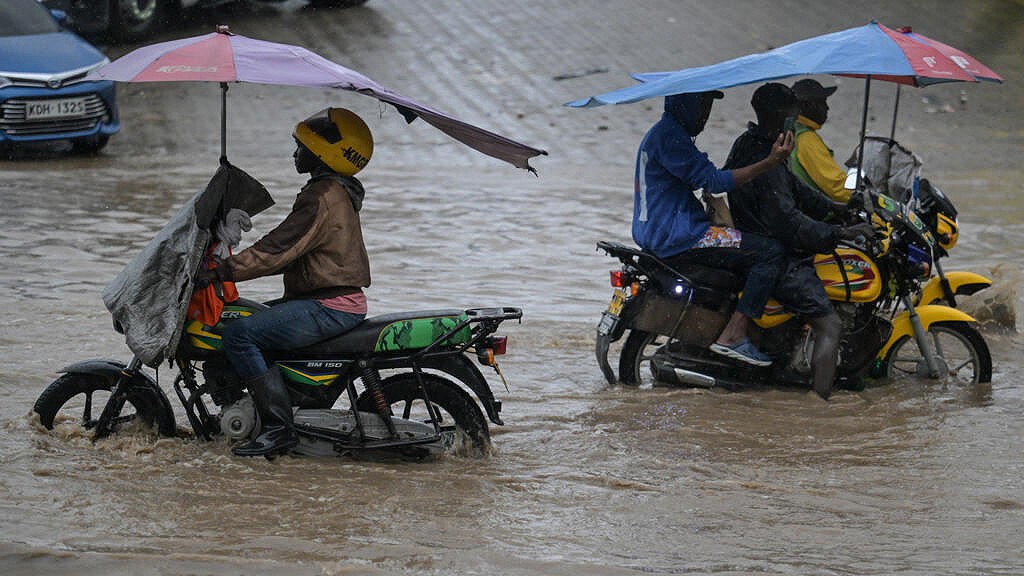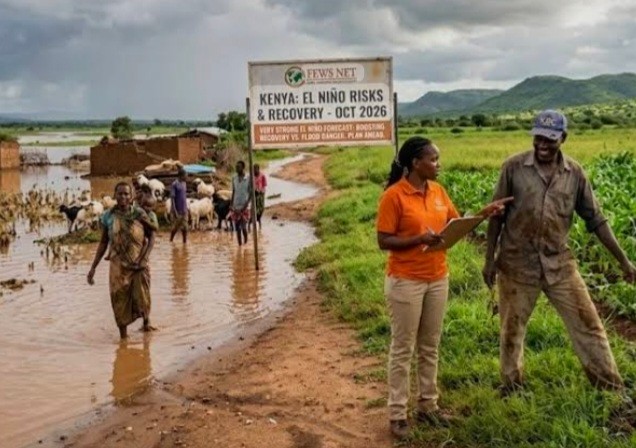
The Kenya National Commission on Human Rights (KNCHR) has urged the national and county governments to speed up preparations for the October–December rainy season, warning that failure to act early could expose vulnerable communities to preventable deaths, displacement and loss of livelihoods.
In a press statement issued on Monday, October 19, 2026, the commission acknowledged steps taken by government agencies to prepare for the expected rains, noting that weather alerts from the Kenya Meteorological Services Authority provide an important basis for planning.
However, KNCHR cautioned that issuing warnings and drawing up contingency plans would not be enough unless the measures were translated into practical action on the ground.
The Commission said previous flooding incidents had resulted in loss of life, destruction of property, displacement of families and disruption of essential services. It called for preparedness efforts that prioritise people facing the greatest risks, including children, women, older persons, persons with disabilities, migrants and people living with chronic illnesses.
KNCHR urged the government to use official weather forecasts and local risk assessments to guide emergency decisions and ensure that communities receive timely assistance.
The Commission cited constitutional provisions requiring the State to protect human rights, safeguard the right to life and ensure access to essential services such as healthcare, food, water, sanitation, housing and education.
It called on the Ministry of Interior, the National Disaster Operations Centre, the Council of Governors and county administrations to activate their emergency plans before the rains intensify.
Among the proposed measures are placing emergency supplies in high-risk areas, identifying safe evacuation routes, preparing accessible shelters and ensuring response teams are ready to act when needed.
KNCHR also called for weather alerts to be shared in formats and languages that different communities can understand, including Kenyan Sign Language.
It urged authorities and media organisations to work together to ensure that warnings reach people who may otherwise struggle to access the information.
On evacuation and shelter, the Commission said displaced families should be accommodated in safe and dignified conditions. It stressed the need for clean water, sanitation, privacy and hygiene supplies, alongside safeguards against violence, abuse and discrimination, particularly affecting women and girls.
The Commission further urged national and county health departments to maintain access to emergency treatment, ambulances, essential medicines, maternal healthcare, immunisation services and treatment for chronic illnesses.
Education authorities were also asked to protect learners during the rainy season and ensure continuity of learning and national examinations.
The rights body called for fair distribution of relief food, protection of livelihoods and stronger environmental safeguards, including the protection of wetlands and water sources.
It also demanded adequate funding for emergency response and recovery, with transparent management of public resources. KNCHR said oversight institutions should monitor expenditure, while accessible hotlines and confidential complaints channels should allow members of the public to report abuse or exclusion.
The Commission urged the government to work with civil society groups, faith-based organisations, businesses and local communities, while regularly reporting on warning coverage, shelter readiness, relief distribution and complaints resolved.
KNCHR Chairperson Claris Ogangah said the commission would continue monitoring human rights during extreme weather events under its constitutional and statutory mandate.
KNCHR called on national and county governments to move beyond planning and implement measures that protect lives, uphold dignity and ensure that emergency assistance reaches those who need it most.