The Kenya Human Rights Commission (KHRC) has called on President William Ruto’s administration to put human rights at the centre of preparations for the expected El Niño rains.
In a statement issued on September 28, 2026, KHRC warned that poor handling of the rains could deepen human rights violations, especially among people living in low-income and informal settlements.
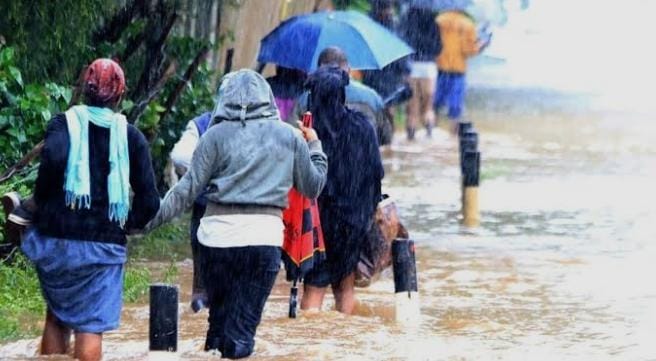
The commission said about 80 per cent of Kenya is at risk of severe flooding, with all 47 counties potentially affected. Central Kenya, the Rift Valley, the Lake Victoria Basin and Western Kenya are expected to record some of the heaviest rainfall.
KHRC pointed to the 2024 floods, which killed at least 170 people and displaced more than 200,000, according to figures cited from Human Rights Watch.
The commission said the impact went beyond deaths and destruction, with vulnerable communities facing problems accessing schools, sanitation and other basic services.
A 2024 survey by KHRC and the Elimu Bora Working Group found that more than 62 primary schools were submerged, putting about 15,000 learners at risk of missing school. The survey also recorded 34 cases of cholera along the Tana River and damage to more than 20,000 toilets.
KHRC also raised concerns over the government's response to the 2024 floods, citing demolitions in Mukuru Kwa Reuben and Kiamako in Nairobi. It said thousands of residents were left homeless after demolitions were carried out without sufficient notice or consultation.
The commission is now calling on the Ruto administration to prepare clear evacuation and relocation plans and ensure they do not lead to forced evictions or other rights violations.
It also wants the government to protect human rights defenders and community organisations monitoring the flood response, while ensuring access to healthcare, clean water, sanitation and education.
Kenya has secured about Sh51.8 billion from the World Bank's Rapid Response Option to prepare for the rains. KHRC wants the government to ensure the money is properly accounted for and that information on funding, procurement and spending is made public.
The commission has also called for relief to reach affected communities fairly, with special attention given to marginalised groups, including young people, women and persons with disabilities.