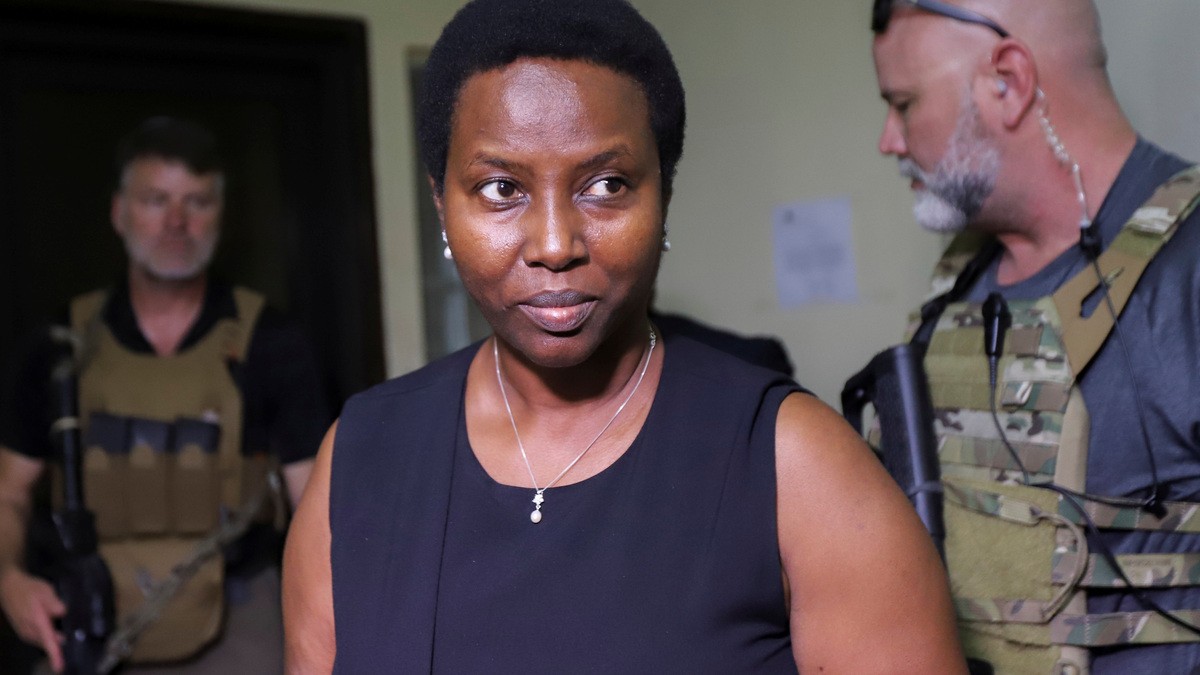
The widow of assassinated Haitian president Jovenel Moise has registered as a presidential candidate for the country's upcoming elections, five years after surviving the gun attack that killed her husband.
Martine Moise's name appeared on the Provisional Electoral Council's candidate registration records on Sunday, November 15, as Haiti prepares for its first presidential election in more than a decade. She is among 33 people who registered to contest the presidency, including three women.
The first round of voting is scheduled for July 18, 2027, with a second round planned for October 4. The elections are expected to restore an elected government after years of political uncertainty and repeated delays caused by worsening insecurity.
Upcoming presidential election details
Moise had not publicly commented on her registration by Sunday. However, in a post on X last week, she said Haiti would rise again and called for a different approach to politics.
"Haiti will rise again on its own two feet, because politics needs to be done differently," she wrote.
Other prominent figures who have registered include former presidents Michel Martelly and Jocelerme Privert, former prime minister Claude Joseph and former foreign minister Dominique Dupuy. The electoral authorities are expected to publish the approved list of candidates in January 2027, meaning registration does not yet guarantee a place on the final ballot.
Moise's entry into the race comes after the assassination of her husband on July 7, 2021, when armed attackers stormed his private residence in Port-au-Prince and shot him dead. Jovenel Moise had served as president since February 2017.
Martine Moise was also seriously wounded during the attack and was flown to Florida for medical treatment. The killing, allegedly carried out by a group of mainly Colombian former soldiers and other accomplices, triggered a prolonged political crisis and left the country without an elected president.
Background on the assassination
The investigation into the assassination has continued in both Haiti and the United States. Martine Moise was among those indicted in Haiti in 2024 over alleged involvement in the killing, but the indictment was overturned by an appeals court in 2025, which ordered further investigation. She has denied wrongdoing and has also been a key witness in the separate US prosecution of suspects linked to the assassination.
In September 2026, US authorities announced that 18 defendants had been transferred from Haiti to Florida to face federal charges connected to the killing. The proceedings form part of a wider investigation into those accused of planning, financing and carrying out the operation.
Her presidential bid also comes as Haiti continues to grapple with widespread gang violence, which has weakened state institutions, displaced communities and complicated preparations for a national vote.
Current security situation in Haiti
According to the United Nations, at least 1,408 people were killed and another 656 injured between April and June 2026 amid violence involving armed gangs, security operations and other armed groups. The wider crisis has displaced approximately 1.5 million people since 2022, while more than 22,000 have been killed.
Although the electoral council has set a new timetable, concerns remain over whether authorities can establish sufficient security and organize a credible nationwide election. Haiti last held a presidential election in 2016, and successive attempts to organize another vote have been delayed amid the deteriorating security situation.
The registration of Moise and other presidential hopefuls marks another step towards the planned elections, but the country still faces significant challenges in restoring stability and allowing voters to participate safely.