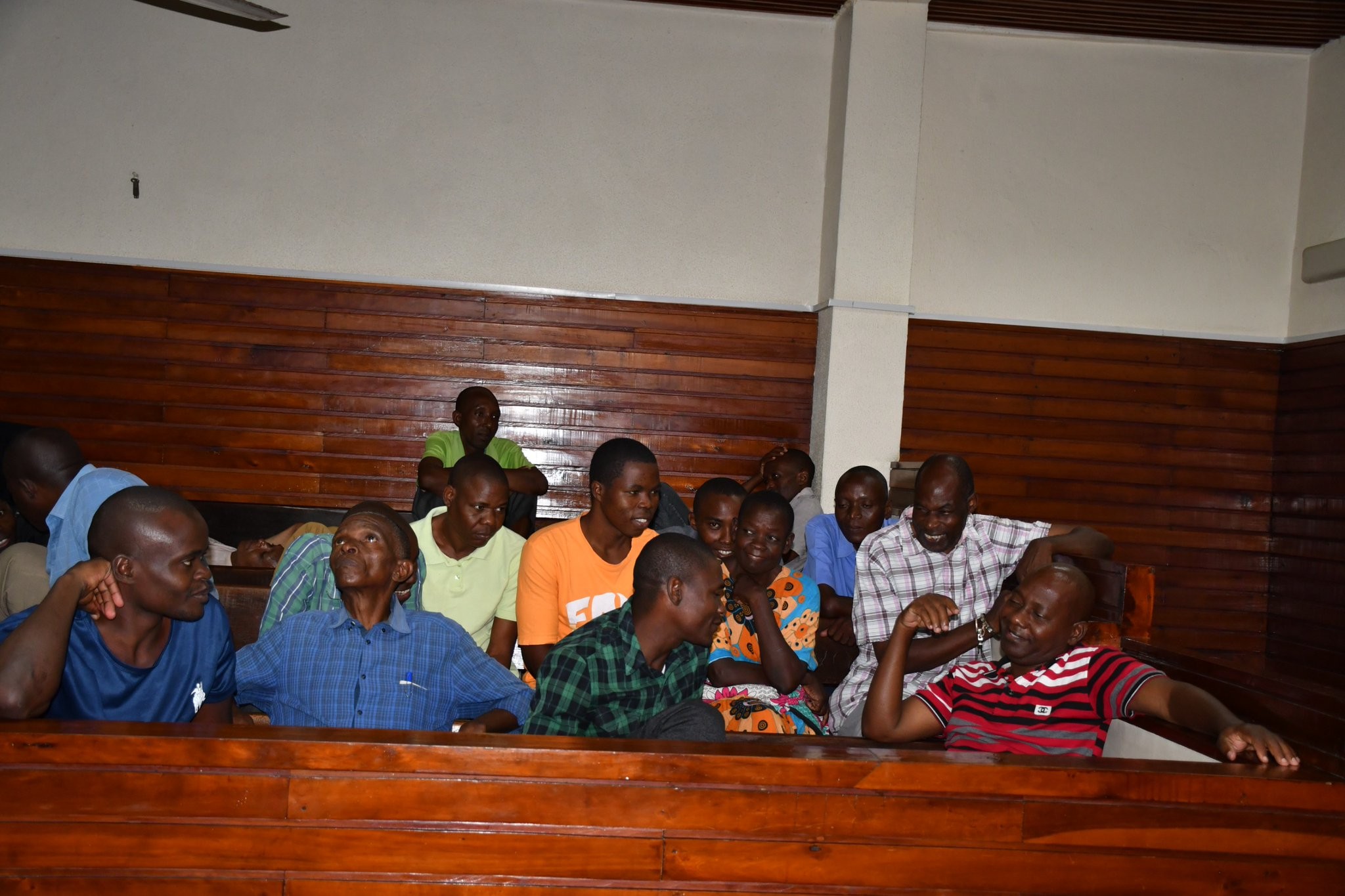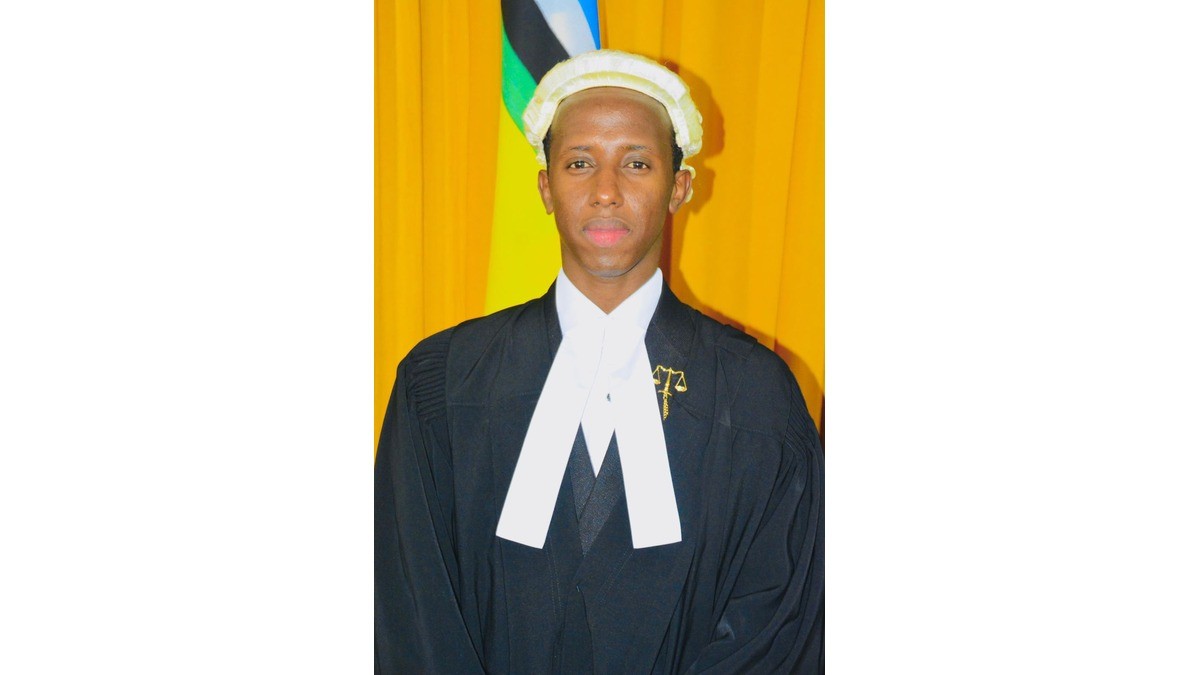
Inspector General of Police Douglas Kanja has told the High Court that the National Police Service does not have missing Tanzanian activist Twaha Mwaipaya in custody, denying claims that police officers arrested him.
Appearing personally before Justice Alexander Muteti on Tuesday, November 3, Kanja said he was aware of the case but maintained that Mwaipaya had never been arrested by officers under his command.
“My lord, I’d wish to inform this court… we don’t have the subject in our custody throughout the Republic of Kenya,” Kanja told the court.
The Inspector General further said he had no information indicating that Mwaipaya had been arrested by police at any stage. However, he confirmed that a report concerning the activist had been made at Ruai Police Station.
“My lord, I’m aware that a report was made in Ruai Police Station of the subject matter,” he said.
On the progress of investigations, Kanja informed the court that inquiries into the disappearance were ongoing and disclosed that the investigating officer handling the case was present during the proceedings.
He maintained that police could not have removed Mwaipaya from custody because he had never been detained by officers in the first place.
“The subject was at no time arrested by my officers. Since he’s never been in our custody, he can’t have been removed by the same,” Kanja submitted.
Kanja also defended the police service against allegations of failing to act on reports of disappearances, saying complaints made at police stations or directly to officers are ordinarily investigated.
He dismissed claims that police were involved in enforced disappearances, insisting that abductions constitute criminal offences.
“Not at all, we don’t abduct and make people disappear. Any abduction is to be treated as an act of criminality,” he added.
The court, however, maintained that denying custody was not sufficient to address the circumstances surrounding Mwaipaya's disappearance, particularly allegations that State agents could have removed him from Kenya.
Justice Muteti also questioned why authorities had not filed a substantive report detailing the investigations undertaken since the activist went missing.
The appearance followed orders issued by Justice Muteti on October 30, requiring police to produce Mwaipaya before the court, alive or dead, on November 2.
The court had also directed authorities to present the original detention warrant and explain why the activist should not be immediately released.
Mwaipaya was not produced during the scheduled proceedings, leading to Kanja being required to personally account for his whereabouts and explain the progress of investigations.
The case was brought through a habeas corpus application seeking to compel authorities to establish the activist’s whereabouts and account for his disappearance.
Mwaipaya reportedly went missing on October 25, 2026, after unidentified armed men allegedly abducted him while he was travelling in a taxi in Kamulu, Nairobi.
A report was subsequently lodged at Ruai Police Station under Occurrence Book number 47/25/10/2026.
Human rights organisation Vocal Africa moved to court over the disappearance, seeking judicial intervention to establish where the Tanzanian activist was being held and secure his release if he was in unlawful detention.
Despite Kanja’s assurances that Mwaipaya was not in police custody and that investigations were ongoing, his whereabouts remain unknown.