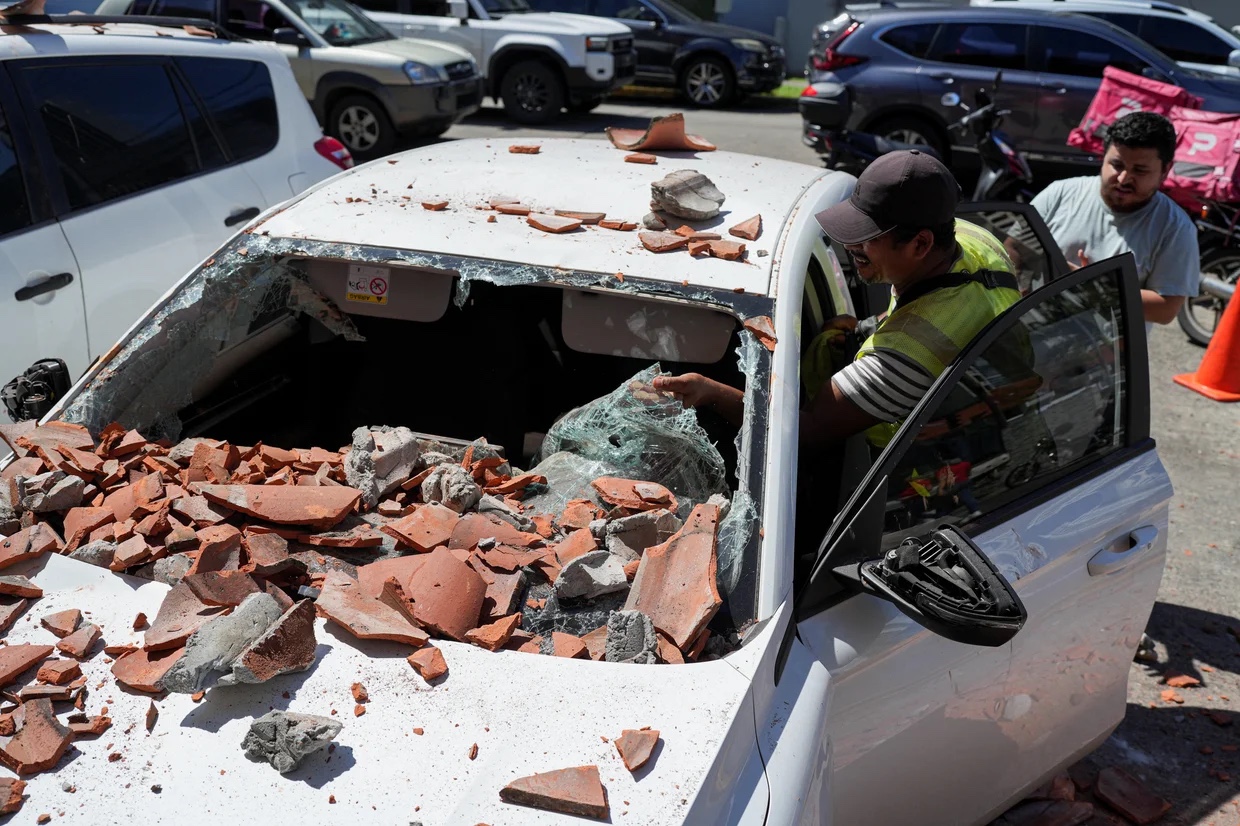
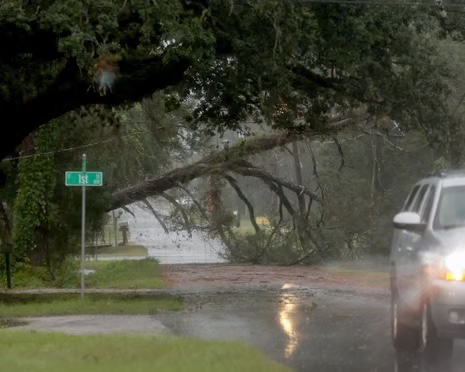
Hurricane Isaias has made landfall in Florida's western Panhandle, bringing powerful winds and the threat of life-threatening flooding as authorities order evacuations across parts of the southeastern United States.
The storm made landfall on Friday evening with sustained winds of about 110 miles per hour (175 kilometres per hour), placing it in Category 2 hurricane territory.
Florida, Alabama and Georgia declared states of emergency as forecasters warned that storm surges could reach nine feet (2.7 metres) in some coastal areas.
Mandatory evacuations were ordered in vulnerable communities in Florida and Alabama, with residents warned against delaying their departure from areas directly exposed to the storm.
Florida Senator Rick Scott urged residents in evacuation zones to leave immediately, warning them not to wait until conditions deteriorated.
Alabama Governor Kay Ivey also ordered mandatory evacuations for non-residents, tourists and visitors in selected counties expected to experience severe impacts.
The National Hurricane Center warned that Isaias could generate life-threatening storm surges along the US Gulf Coast, while heavy rainfall and powerful winds were expected to affect communities further inland.
According to the National Weather Service, the hurricane's centre was forecast to move across Alabama and into the Tennessee Valley on Saturday and Sunday.
As of Friday evening, hurricane-force winds extended up to 35 miles (55 kilometres) from the storm's centre, while tropical storm-force winds stretched as far as 205 miles (335 kilometres).
Meteorologists also warned of possible tornadoes accompanying the storm. Residents who had not evacuated were urged to monitor official alerts, seek higher ground where necessary and remain indoors as dangerous conditions persisted.
Authorities cautioned people against going outside to inspect damage or record footage for social media while the hurricane was passing.
The storm had already disrupted electricity supplies across the southeastern United States before making landfall.
More than 350,000 customers in Florida and approximately 170,000 in Alabama were without power, according to PowerOutage.us.
In Georgia, about 8,000 customers had also lost electricity.
Officials along Florida's Panhandle issued extreme wind warnings, urging residents to seek immediate shelter as the hurricane moved ashore.
Isaias was among three storm systems affecting North America over the weekend, with two others impacting Mexico and Southern California amid warm Pacific Ocean conditions.
The storm's arrival also drew attention to an Atlantic hurricane season that had experienced a delayed start, with Isaias emerging as the season's first hurricane in the account of the developing weather system.